Choosing the right Off Grid Solar Power System can be daunting. As solar energy expert Dr. Emily Thompson states, “The best system is the one tailored to your specific needs.” Her insight emphasizes the importance of personalization in selecting solar solutions.
When considering an Off Grid Solar Power System, you must evaluate several factors. Start with your energy requirements. Calculate your daily usage to find a suitable capacity. Next, consider battery storage. The right batteries ensure you have power on cloudy days.
Installation costs can vary widely. A quality system may seem expensive initially but can save money in the long run. However, remember that not all solar systems are equal. Some may oversell their capabilities. Continuous market research is vital. Your choice will affect your energy independence for years to come.
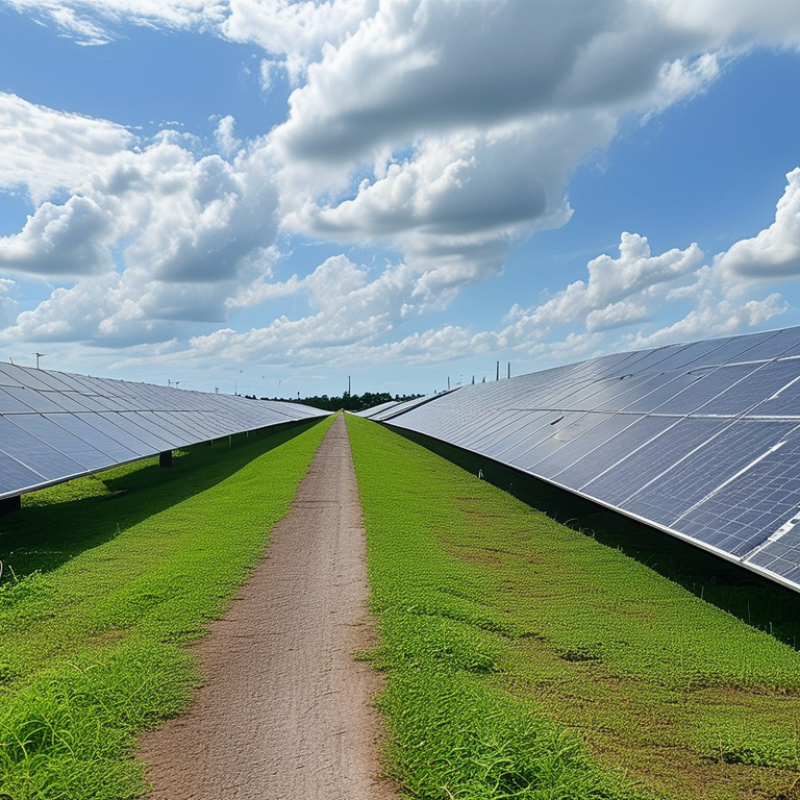
Off-grid solar power systems provide essential energy independence. These systems differ from grid-tied setups, as they work without utility company support. They are especially useful in remote locations where extending power lines is impractical.
Key components include solar panels, batteries, inverters, and charge controllers. Solar panels capture sunlight and convert it into electricity. Batteries store energy for use during cloudy days or at night. Inverters convert the captured energy to usable power. Charge controllers regulate battery charging, preventing overcharging and extending battery life. Each component plays a vital role in ensuring system efficiency and reliability.
Choosing the right system requires careful consideration. Assess your energy needs honestly. Different households have varying demands. The number of panels and battery size may need adjustments to suit individual requirements. Mistakes in sizing can lead to insufficient energy or overspending. Thus, research and professional advice are crucial. Prioritize quality over price, as reliability affects long-term sustainability.
When considering off-grid solar systems, several key factors impact sizing and capacity. Understanding your energy needs is crucial. Assess your daily consumption by reviewing past electric bills. This will help in defining the system size required for your household. An energy audit can aid in determining peak usage times and high-consumption appliances.
The location also plays a vital role. Sunlight availability varies based on geographic factors. Areas with more sunshine require less solar panel capacity, while regions with limited sun may need a larger setup. Observing seasonal variations in sunlight can inform capacity adjustments. Additionally, battery storage options must be factored in. Oversizing can lead to unnecessary expenses, while undersizing can result in energy shortages.
Lastly, considering future energy demands is essential. If you plan to expand your home or add more devices, it's wise to anticipate these changes. Regularly reviewing energy usage can help identify when adjustments are necessary. This proactive approach ensures the system remains effective over time.
| Factor | Description | Recommendations |
|---|---|---|
| Energy Needs | Understand your daily energy consumption in kilowatt-hours (kWh). | Calculate the total wattage of your appliances and usage hours. |
| Location | Assess the solar potential of your location, including average sunlight hours. | Use solar insolation data to estimate energy production. |
| System Sizing | Determine the right size of the solar panel system based on energy needs. | Consult sizing calculators or professionals for accurate estimates. |
| Battery Storage | Select the appropriate battery bank size to store excess energy. | Consider depth of discharge (DoD) and battery lifespan in your choice. |
| Inverter Type | Choose between pure sine wave or modified sine wave inverters. | Opt for pure sine wave for sensitive electronics. |
| Installation | Determine if you will DIY or hire professionals for installation. | Consider professional help if unsure about installation requirements. |
| Maintenance | Plan for regular maintenance to ensure system efficiency. | Schedule checks on panels and batteries periodically. |
Choosing the right off-grid solar power system can seem daunting. One key aspect is evaluating solar panel efficiency. Efficiency directly impacts energy production. Most panels fall between 15% and 22% efficiency. High-efficiency panels convert more sunlight into electricity. A report from the National Renewable Energy Laboratory suggests that optimal tilt and orientation increase efficiency by up to 30%.
Performance ratio (PR) is another crucial metric. This ratio measures real-world performance versus ideal conditions. Effective systems often achieve PR scores of 75% to 85%. A lower PR may indicate inefficiencies in system design or shading issues. It's vital to assess these factors to avoid underperformance. Monitoring technologies can enhance PR over time by optimizing energy output.
Understanding watt ratings is essential, too. Higher wattage panels generally yield more energy. However, the actual output can vary based on local weather conditions. Installing a system without considering seasonal shifts can lead to disappointment. Reflecting on available sunlight hours and weather patterns can guide better decisions.
When considering an off-grid solar power system, battery storage is crucial. The right battery can ensure your system runs efficiently. Understanding the types of batteries available is vital. Lead-acid, lithium-ion, and saltwater batteries each have unique features. Lead-acid batteries are affordable but may require frequent replacements. Lithium-ion batteries offer longer lifespans but come at a higher initial cost. Saltwater batteries are emerging as a safe alternative but are less common.
Consider the capacity needs of your household. Calculate your daily energy consumption to determine the right size. Oversizing can waste money, while undersizing might leave you without power. It’s advisable to consult with a solar energy expert for precise calculations.
Battery lifespan is another critical factor. Most batteries last 5 to 15 years depending on usage and care. Regular maintenance can prolong their life and efficiency. Keep an eye on temperature changes, as extreme conditions can affect performance.
Plan for future needs. As your energy consumption may change, having the flexibility to expand your system is essential. Evaluate your budget and installation site carefully. Every small detail can impact the overall effectiveness of your solar system and storage solution.
When considering an off-grid solar power system, cost analysis is crucial. Your initial investment might feel daunting. However, it’s important to recognize the long-term savings it can bring. Off-grid systems often reduce or eliminate your electricity bills. You may find that within a few years, you start saving money rather than spending it.
Consider a few tips for making the best decision. Evaluate your energy needs carefully. Understanding your consumption helps in sizing the system appropriately. A system that’s too small may not meet your needs and could lead to additional costs.
Also, research potential maintenance expenses. While solar panels are generally low-maintenance, inverters and batteries might require replacement. These expenditures can add up over time. Reflect on the total lifetime costs of the system. They may influence your decision significantly, shaping the overall value of your investment in off-grid living.
: An off-grid solar power system provides energy independence without utility support.
Key components include solar panels, batteries, inverters, and charge controllers.
Solar panels capture sunlight and convert it into electricity for the home.
Batteries store energy for cloudy days and nighttime use, ensuring reliable power.
Assess daily consumption by reviewing past electric bills and conducting an energy audit.
Sunlight availability varies by location; more sunlight means less panel capacity is needed.
Planning for future expansions helps avoid energy shortages and ensures efficiency.
Yes, improper sizing can lead to either insufficient energy or overspending.
Regular reviews help identify when system adjustments are necessary for continued efficiency.
Quality should be prioritized over price, as it affects long-term reliability and sustainability.
Choosing the right Off Grid Solar Power System involves understanding its components and operational dynamics. Key factors such as location, energy needs, and system sizing significantly influence the efficiency and capacity of the solar system. Evaluating solar panel efficiency is crucial; metrics like watts and performance ratios help determine the suitability of panels for specific requirements.
Additionally, battery storage plays a vital role in maintaining energy supply during low sunlight periods. Understanding the types of batteries available, their lifespan, and appropriate capacity is essential for optimal performance. Lastly, a thorough cost analysis comparing the initial investment of an Off Grid Solar Power System with long-term savings can guide decision-making, ensuring that the investment yields sustainable financial and environmental benefits.

MH Energy