Top Tips for Choosing an On Grid Solar System?

Time:2026-06-29 Author:Aria
0%

Choosing the right On Grid Solar System can be daunting. Solar energy is becoming a key solution for sustainability. Many homeowners are considering this option to reduce electricity bills and environmental impact.

When selecting an On Grid Solar System, it's essential to understand your energy needs. Assess how much power you consume daily. This step will guide your system's capacity. Not all systems fit every household. A tailored approach is necessary for optimal performance.

Do not overlook the quality of components. Research reputable brands and products. The durability of panels and inverters can influence long-term savings. Installation quality also plays a crucial role. A poor setup can lead to inefficiencies. Reflect on your options, and consult professionals. Seeking expert advice can lead to better decisions.
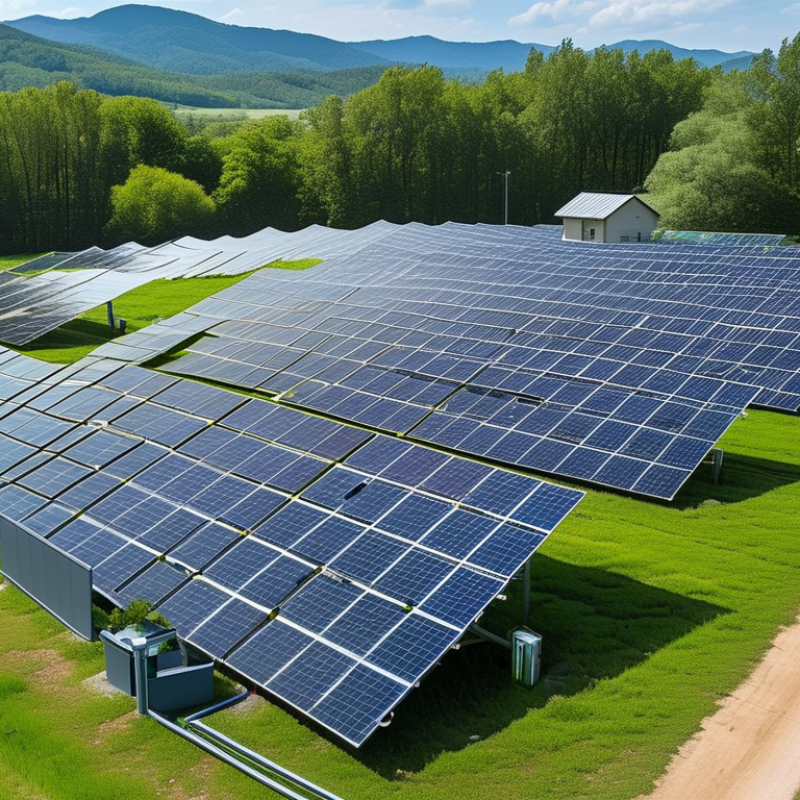
Top Tips for Choosing an On Grid Solar System?

Understanding On Grid Solar Systems and Their Benefits

On-grid solar systems are popular for their ability to connect directly to the utility grid. This setup allows homeowners to generate electricity and sell excess back to the grid. The benefits of these systems can be significant, offering savings on energy bills and a reduced carbon footprint.

However, it’s essential to understand the balance between efficiency and investment.

The efficiency of an on-grid system depends on various factors. These include panel placement, local climate, and available sunlight. Selecting the right installation site is crucial. Poor positioning can lead to less energy generation and wasted investment. A thorough analysis of roof angle and shading from trees or buildings can help optimize performance.

While on-grid systems provide advantages, potential drawbacks exist. For instance, reliance on the grid means no power during outages. Homeowners should weigh these factors carefully before committing. Additionally, the initial costs can be daunting, leading to the need for financing options. An informed decision requires thorough research and consideration of personal energy needs.

Evaluating Your Energy Needs Before Choosing a System

Before choosing an on-grid solar system, it's crucial to evaluate your energy needs. Understanding your household's energy consumption can lead to better decisions. Start by analyzing past electricity bills. This data highlights peak usage times and monthly consumption patterns. Consider all appliances in your home. Each item contributes to your overall energy demand.

You may find some unexpected energy hogs. Refrigerators and HVAC systems often use more power than anticipated. Include seasonal differences in your evaluation. A fan may consume less energy in summer, while heating systems could spike in winter. Reflect on your lifestyle too. If your family size changes, or if you acquire more devices, your energy needs will shift.

Once you have this information, it’s easier to size your solar system accurately. An oversized system may lead to wasted energy, while an undersized one can leave you short during high-demand times. A reliable system should balance efficiency and affordability. It's a journey of reflecting on your real usage. Engage with energy experts if needed, but always cross-check their advice against your findings.

Key Components of an On Grid Solar System Explained

When selecting an on-grid solar system, understanding its key components is crucial. The primary elements include solar panels, an inverter, and a meter. Solar panels capture sunlight and convert it into direct current (DC) electricity. When choosing panels, consider efficiency, durability, and warranty. Not all panels perform equally; some may degrade faster than others.

The inverter plays a vital role in the system. It converts the DC electricity from the panels to alternating current (AC), which is used in homes. There are different types of inverters. String inverters are common, but microinverters can optimize output more effectively. However, microinverters often require more upfront investment.

Lastly, the meter measures energy production and consumption. It can help track savings and energy usage. Some homeowners overlook this component. A smart meter can provide real-time data but may be more expensive. When evaluating your options, make sure to consider long-term performance and maintenance needs. Each component impacts the overall efficiency and potential savings. Always weigh the pros and cons before making a choice.

Top Tips for Choosing an On Grid Solar System

Component Description Important Factors
Solar Panels Convert sunlight into electricity Efficiency rating, warranty, and output
Inverter Changes DC electricity to AC electricity Type (string, micro), efficiency, and warranty
Mounting System Holds solar panels in place Durability and compatibility with roof type
Battery Storage Stores excess energy generated for later use Type (lithium-ion, lead-acid) and capacity
Monitoring Systems Tracks energy production and system performance User interface and data accessibility

Factors to Consider When Selecting a Solar Installer

When selecting a solar installer, several factors demand your attention. Start by checking their experience in the solar industry. Experienced installers understand local regulations and can navigate potential challenges. A well-established company usually reflects reliability. You want a company that has completed multiple projects, demonstrating a solid track record. Reading customer reviews can also provide insights into their service quality and trustworthiness.

Certifications matter too. Ensure your installer has relevant industry certifications. These certifications indicate a commitment to quality and safety standards. A certified installer is often more knowledgeable about the latest technologies. Transparency is another critical aspect. Communicate clearly with your installer about what is included in your solar package. Be cautious about installers who offer vague or unwritten agreements. Ask specific questions regarding warranties and maintenance.

Don’t forget about post-installation support. Some companies might seem great at the beginning, but lack ongoing service. Ensure your installer offers comprehensive service after installation. A partner who supports you long-term is essential for maintaining system efficiency. Finally, trust your instincts. If something feels off, investigate further. A thoughtful approach will lead you to a suitable solar installer.

Top Tips for Choosing an On Grid Solar System

This bar chart represents key factors to consider when selecting a solar installer, based on their importance rating.

Financial Incentives and Rebates for On Grid Solar Systems

When considering an on-grid solar system, financial incentives can significantly reduce overall costs. According to a report by the Solar Energy Industries Association, homeowners can save up to 30% through federal tax credits. Many states also offer additional rebates, helping to lower upfront expenses. It’s important to research local programs, as they can vary widely.

Explore available grants and incentives in your area. Reach out to local energy boards for tailored information. Review energy savings projections that help assess long-term benefits.

Be aware that not all financial incentives are permanent. Some programs may run out of funding, so acting quickly is critical. The National Renewable Energy Laboratory suggests that waiting too long might mean missing out on substantial savings. Understanding how rules change can help in planning your solar investment.

Considering financing options can also make a big difference. Many lenders now offer solar loans with favorable terms. Analyze your monthly savings against potential payment plans to ensure the best return on investment. Keep an eye on the evolving market landscape, making sure your decision aligns with your financial goals.

FAQS

: What is an on-grid solar system?

: An on-grid solar system connects directly to the utility grid. It allows homeowners to generate and sell excess electricity.

What are the benefits of an on-grid solar system?

Benefits include savings on energy bills and a lower carbon footprint. These systems can significantly reduce electricity costs.

How does panel placement affect solar system efficiency?

Panel placement influences energy generation. Poor positioning can waste investment and result in less power production.

Why is it important to evaluate energy needs before installing solar?

Evaluating energy needs helps size the system correctly. Oversized or undersized systems can lead to wasted energy or deficits.

Are there financial incentives for installing on-grid solar systems?

Yes, incentives like federal tax credits can save homeowners money. Research local programs as they differ by area.

Can I lose power during an outage with an on-grid system?

Yes, reliance on the grid means no power during outages. This is a significant drawback to consider when choosing a system.

How can I analyze my energy consumption?

Review past electricity bills to identify usage patterns. Pay attention to high-consuming appliances and seasonal differences.

What financial options are available for solar systems?

Many lenders offer solar loans. Analyzing loan terms helps ensure the best return on your investment.

Are financial incentives permanent?

No, some programs may run out of funding. It’s crucial to act quickly to take advantage of available savings.

How can lifestyle changes affect my energy needs?

Changes in family size or new devices can alter energy consumption. Reflecting on these changes aids in accurate system sizing.

Conclusion

Choosing the right On Grid Solar System involves several key considerations to ensure efficiency and cost-effectiveness. First, it’s essential to understand what on grid systems are and the benefits they offer, such as reduced energy bills and environmental impact. Evaluating your energy needs is crucial; this helps determine the appropriate size and capacity of the system required to meet your household's consumption.

Furthermore, understanding the key components of an On Grid Solar System, including solar panels, inverters, and mounting systems, can aid in making informed choices. Selecting a qualified solar installer is equally important, as experience and reputation play a significant role in the system's performance. Lastly, take advantage of available financial incentives and rebates that can significantly reduce the initial investment, making an On Grid Solar System an even more attractive option for homeowners looking to transition to renewable energy.


Aria

Aria

Aria is a dedicated marketing professional with a deep passion for innovative strategies and a keen understanding of our company's product offerings. With a wealth of experience in the industry, Aria excels at crafting engaging content that highlights the unique features and benefits of our......