Tier-1 PV Modules, Hybrid Smart Inverters & Scalable Lithium Battery Energy Storage Systems (BESS) for Commercial, Industrial, and High-Capacity Residential Microgrids.
High-efficiency hybrid inverters, bypass cabinets, bifacial PV modules, and industrial battery solutions.
A technical examination of 20kW solar systems in localized commercial applications, structural efficiency, and system ROI.
As the global energy transition accelerates, the demand for decentralized power generation has transitioned from a sustainability initiative to a core operational strategy for enterprises worldwide. The 20kW solar power system stands as a critical inflection point in capacity: it is sized to handle large-scale, high-density residential needs while serving as the primary building block for small-to-medium enterprises (SMEs), agricultural operations, telecommunication hubs, and light industrial plants.
In regions such as North America, Western Europe, and Australia, commercial utility rates are structurally higher during peak operational hours. A 20kW solar platform—especially when paired with intelligent Battery Energy Storage Systems (BESS)—allows companies to perform peak shaving and load shifting. By drawing power from the lithium battery bank during maximum grid tariff periods and recharging during low-rate intervals or peak solar hours, commercial operators realize significant reductions in demand charges.
Deciding on a solar infrastructure manufacturer requires reviewing their end-to-end supply chain integration. Chinese PV and lithium-ion manufacturers offer optimized component balancing and manufacturing scaling. Our state-of-the-art facilities in China consolidate cell fabrication, wafer processing, battery management system (BMS) engineering, and inverter assembly. This high degree of vertical integration reduces compatibility issues across components, lowers unit production costs, and accelerates time-to-market for custom client configurations.
Tailored solar and energy solutions to cut costs and power your life and business.
Empower your business, save costs.
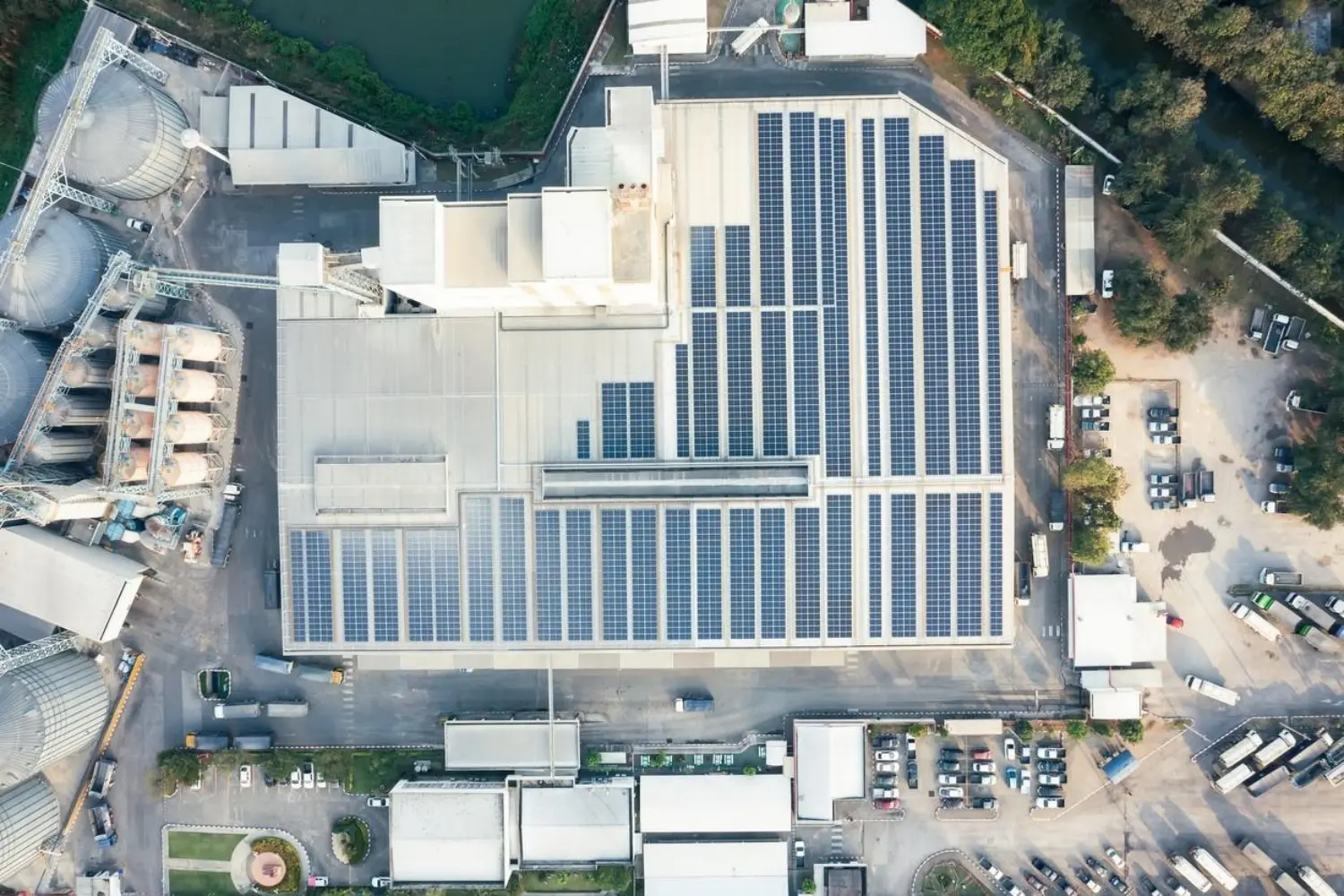
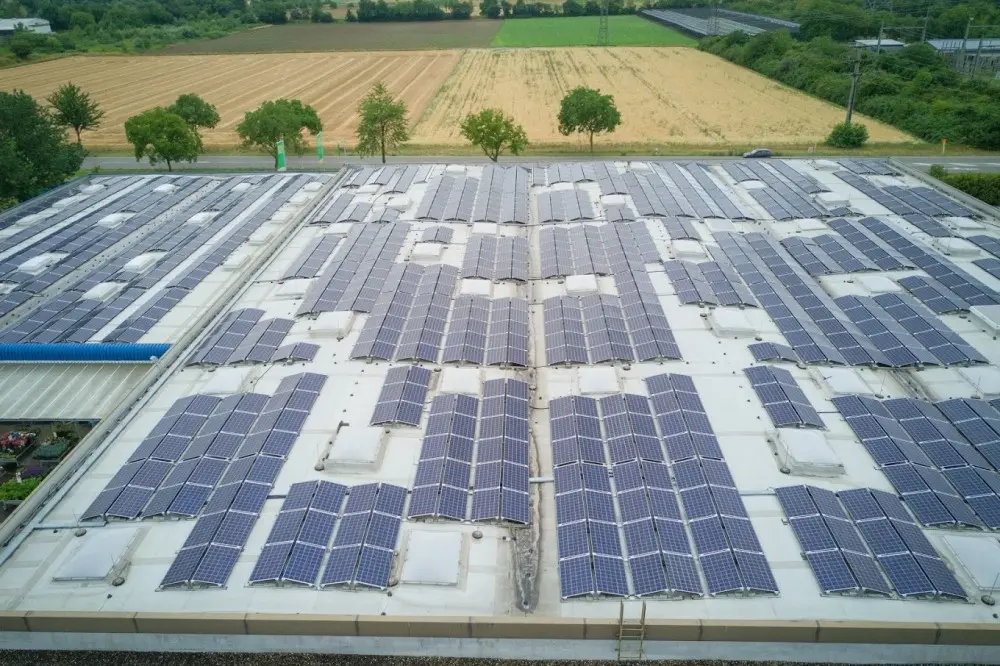
Excessive electricity costs challenge manufacturing enterprises, which require high energy consumption. Addressing this involves ensuring daily electricity needs are met with energy conservation and emission reduction. Solar energy systems provide a solution. Installing solar panels on factory roofs and integrating energy storage systems can efficiently meet electricity demands, promoting cost savings and sustainable development.
Learn MoreHow a custom 20kW configuration adapts to specific regional infrastructure and operations.
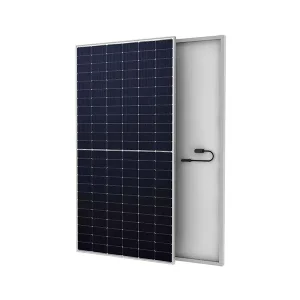
For office spaces and logistics centers operating primarily during daylight hours. High-efficiency TOPCon bifacial modules feed commercial loads directly, eliminating transmission line losses and lowering base-load expenses.
Ideal for agricultural setups, mining camps, and remote research stations. Combining our 20kW system with high-capacity lithium storage containers ensures stable, round-the-clock power, independent of utility line stability.
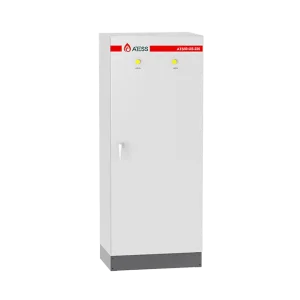
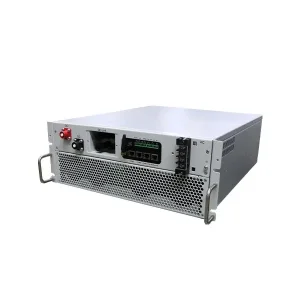
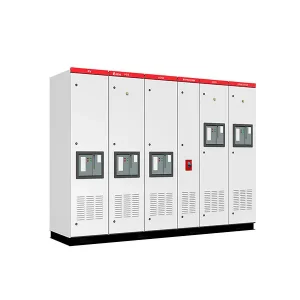
Tailored for data infrastructure and cold-storage facilities. Employs our OEM ATS (Automatic Transfer Switch) Bypass Cabinets to transition critical loads to off-grid battery power within milliseconds during power events.
We're fully immersed in the solar industry, integrating the entire solar and energy supply chain. Our commitment to reliable manufacturing makes us your trusted supplier of choice.
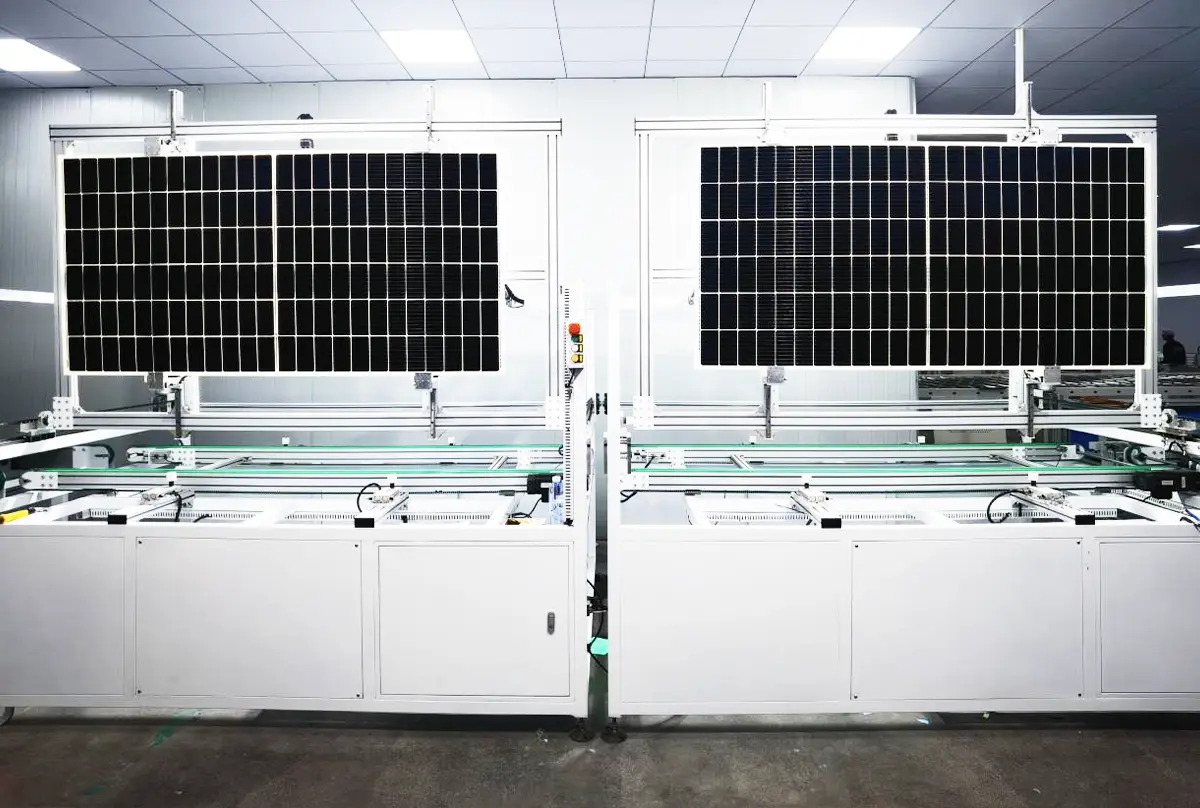
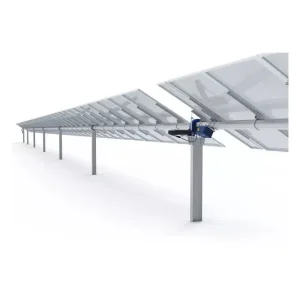
Full range type and capacity of PV modules. N type, TOPCon, P type, HJT, BC. Mono, Bi-facial. Standard size, Customized size. 400W to 700W+.
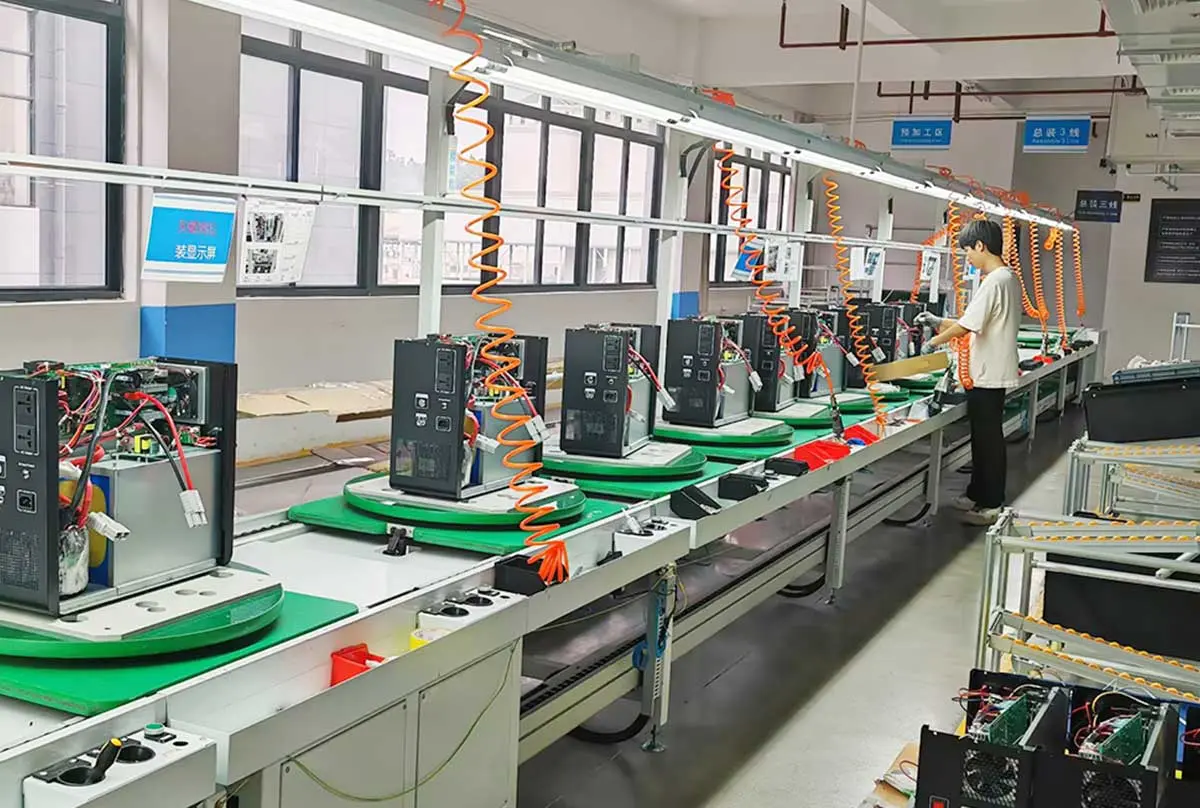
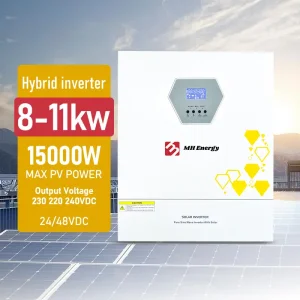
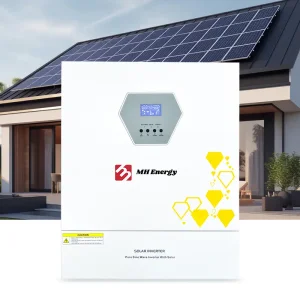
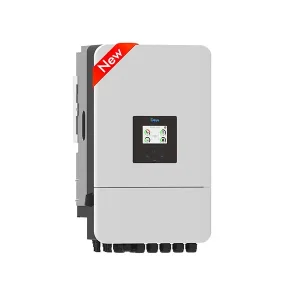
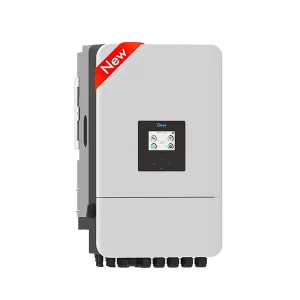
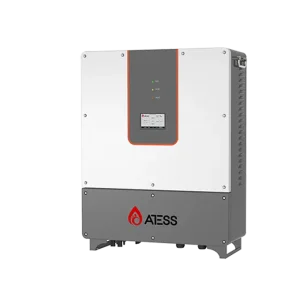
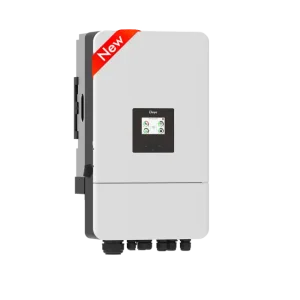
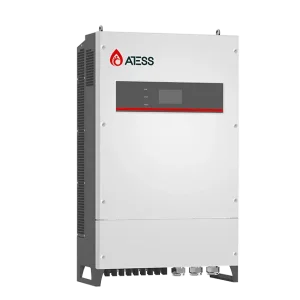
We offer high-efficiency single-phase and three-phase Solar PV, Hybrid, and Off-grid inverters ranging from 1KW to 110KW. All inverters feature integrated smart monitoring systems.
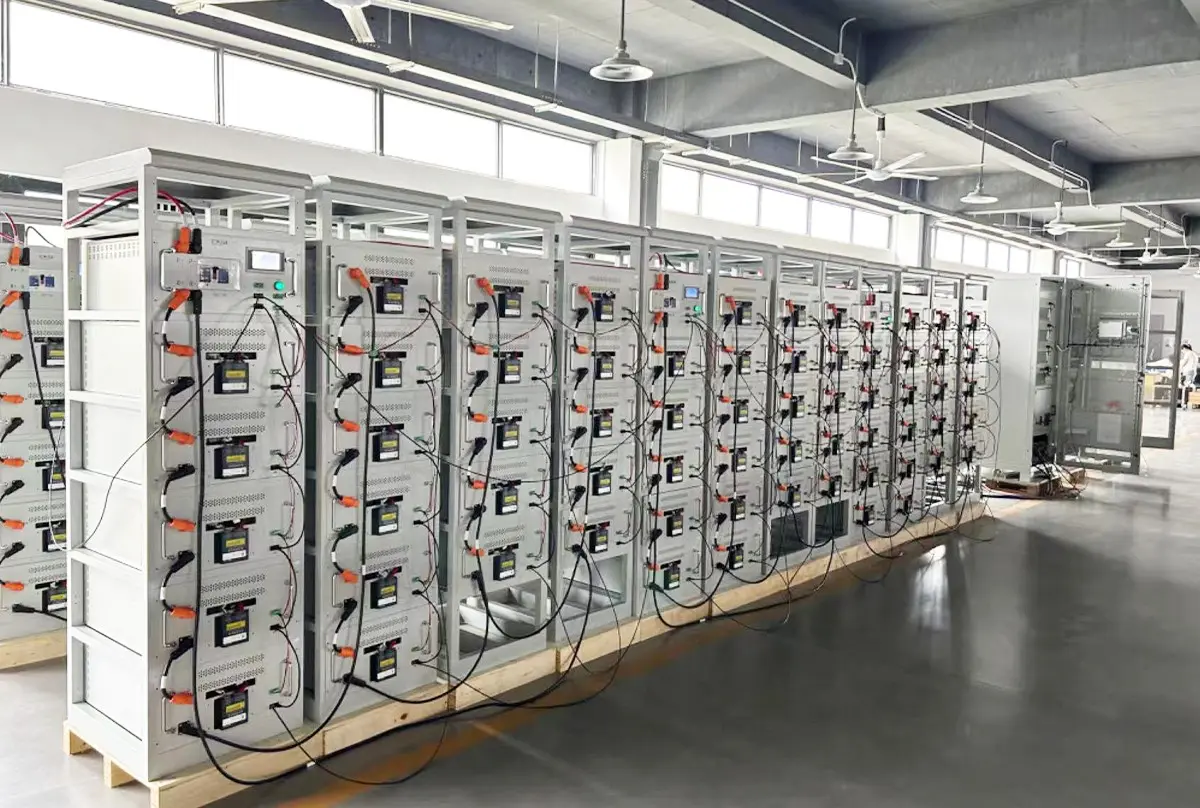
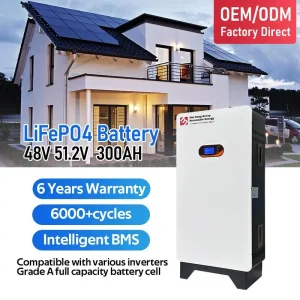
Specializing in lithium battery energy storage for residential and large-scale applications, alongside EPC integration and photovoltaic system manufacturing.
Deep manufacturing expertise and scale designed to secure your long-term energy projects.
Our photovoltaic module factory, with a production capacity of 10GW per year, meets the growing demand for installations. Leveraging cutting-edge industry technologies, we lead in both PV module equipment and production. Rigorous manufacturing and testing processes ensure high-efficiency power generation, maximizing returns for our customers.
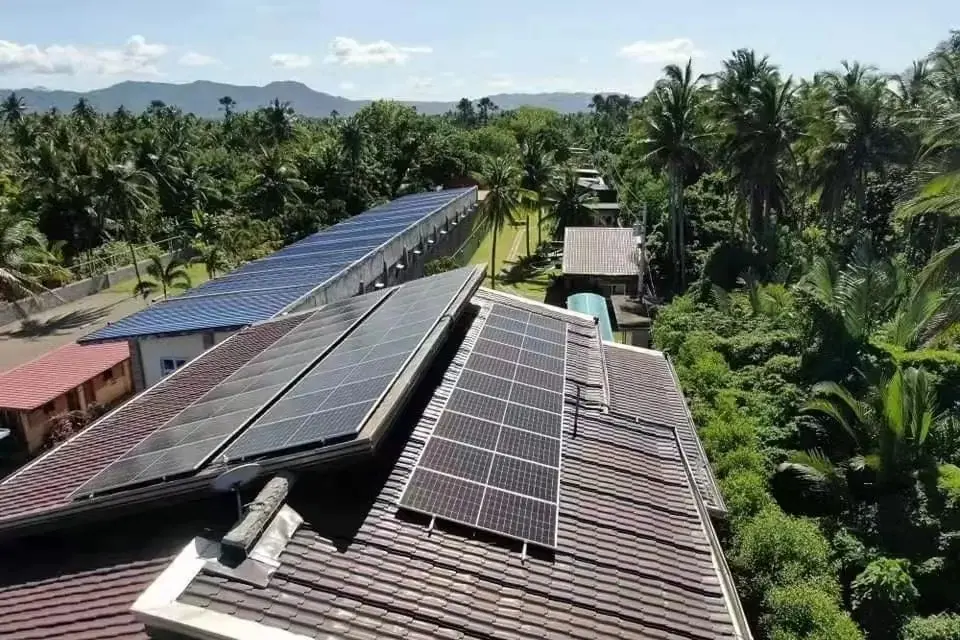
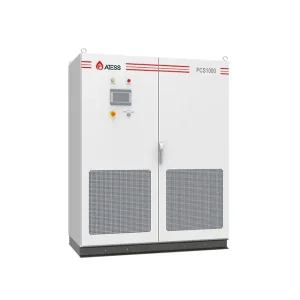
Our inverter factory provides a range of products compatible with various power levels, catering to diverse customer needs. From off-grid and hybrid systems to grid-tied systems, our inverters deliver efficient energy conversion. High compatibility ensures seamless integration with energy storage products.
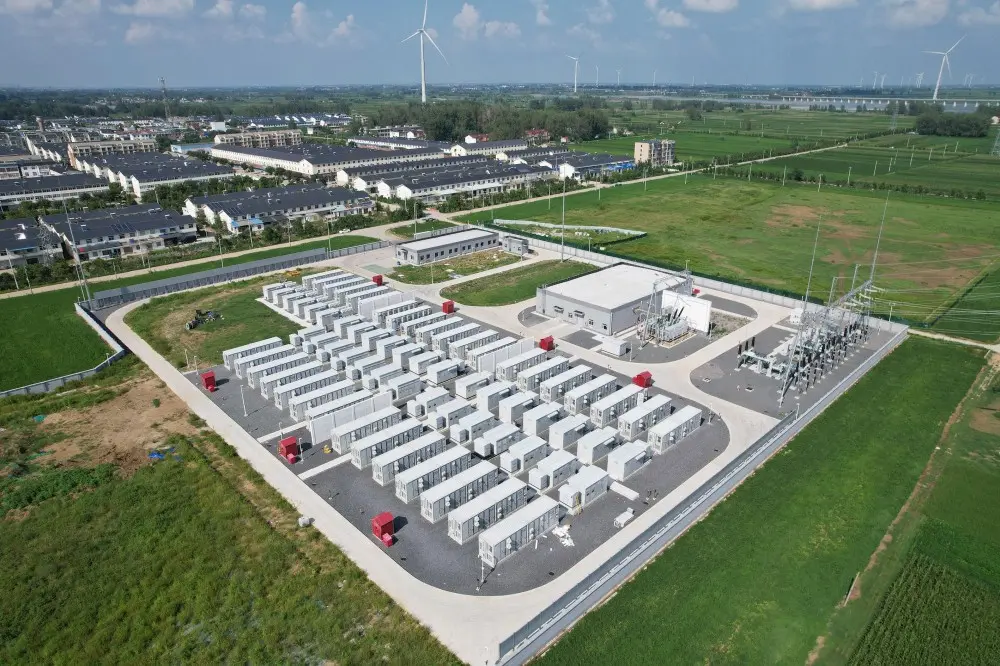
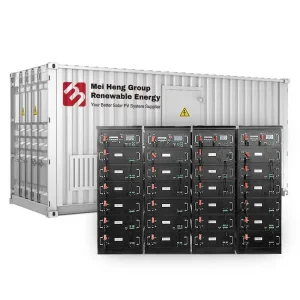
With over 20 years of expertise in the electrical industry, our industry-leading lithium battery factory boasts high-standard production lines and unique technologies to offer safe, reliable, and efficient battery solutions. From 10kWh home battery packs to 20ft and 40ft energy storage containers, our team of over 10 experienced engineers provides comprehensive system solutions, designs, and both online and on-site technical support.
We offer OEM and ODM services, not only tailored to specific projects but also to support your solar and energy business needs.
Strategic changes in solar architecture that influence ROI and system design life.
The global PV landscape is transitioning away from standard p-type PERC structures toward higher efficiency n-type TOPCon (Tunnel Oxide Passivated Contact) and HJT (Heterojunction Technology) architectures. The reasons are rooted in semiconductor physics: TOPCon modules exhibit a lower temperature coefficient (-0.30%/°C compared to PERC's -0.35%/°C) and near-zero Light Induced Degradation (LID). This ensures a custom 20kW system utilizing TOPCon technology yields up to 5% more energy over its lifecycle in high-temperature commercial environments.
At MH Solar Energy, we believe in creating solutions that lead to a sustainable future.


















Our PV modules, inverters, and lithium batteries are rigorously certified to meet industry standards for quality, reliability, safety, and high efficiency. With guaranteed quality products, we are committed to delivering reliable and competitive power systems and energy storage solutions to our clients.
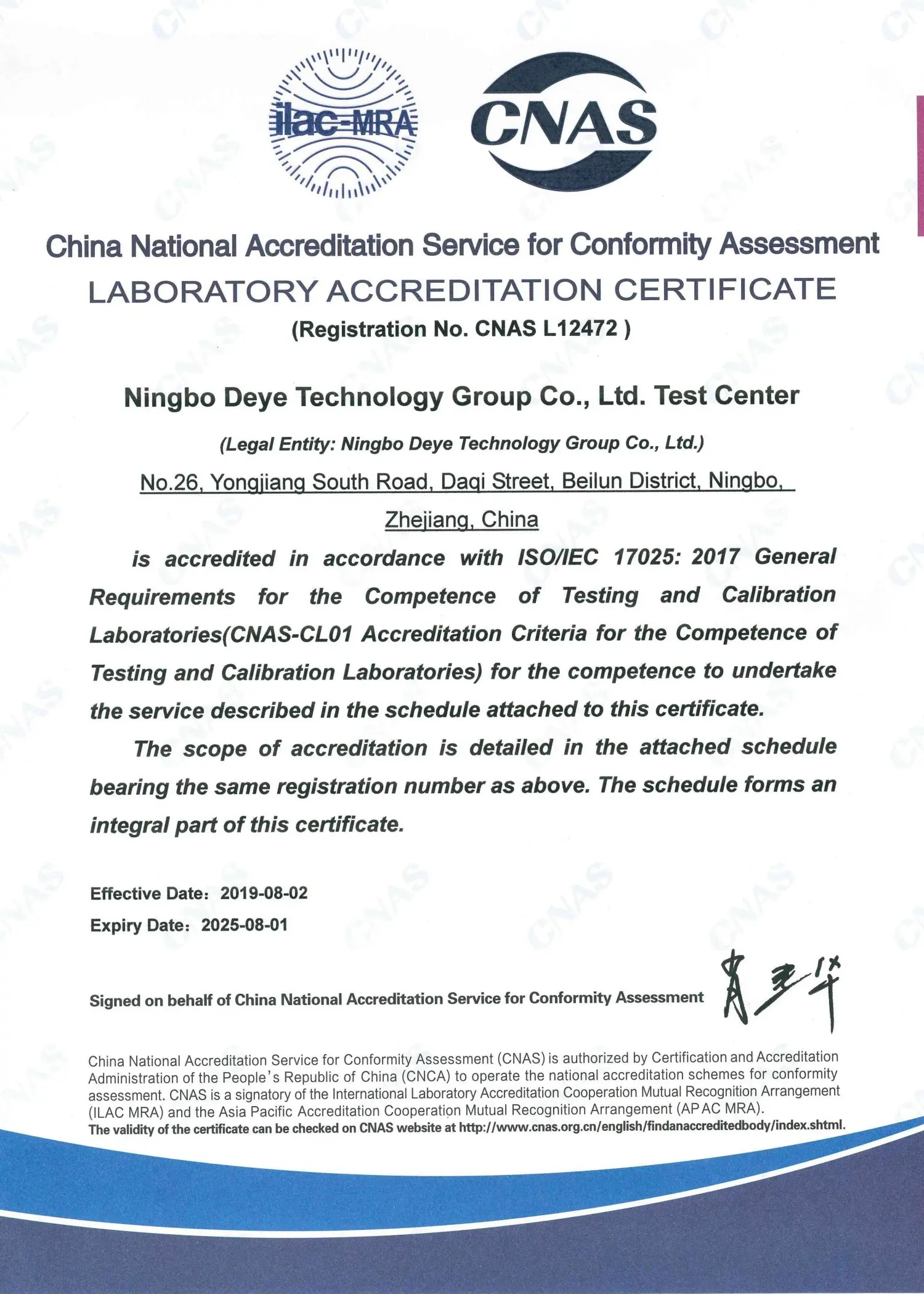
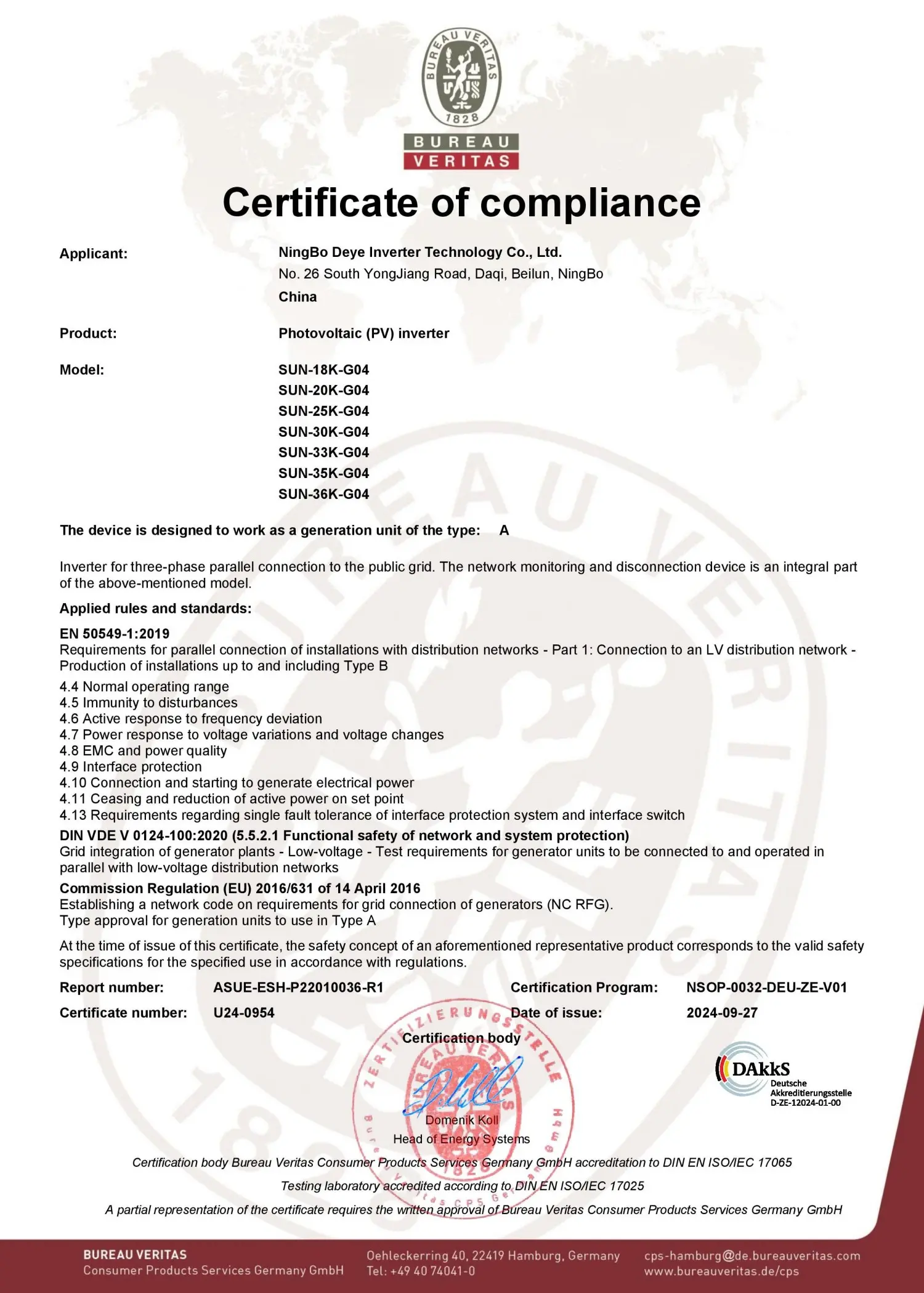
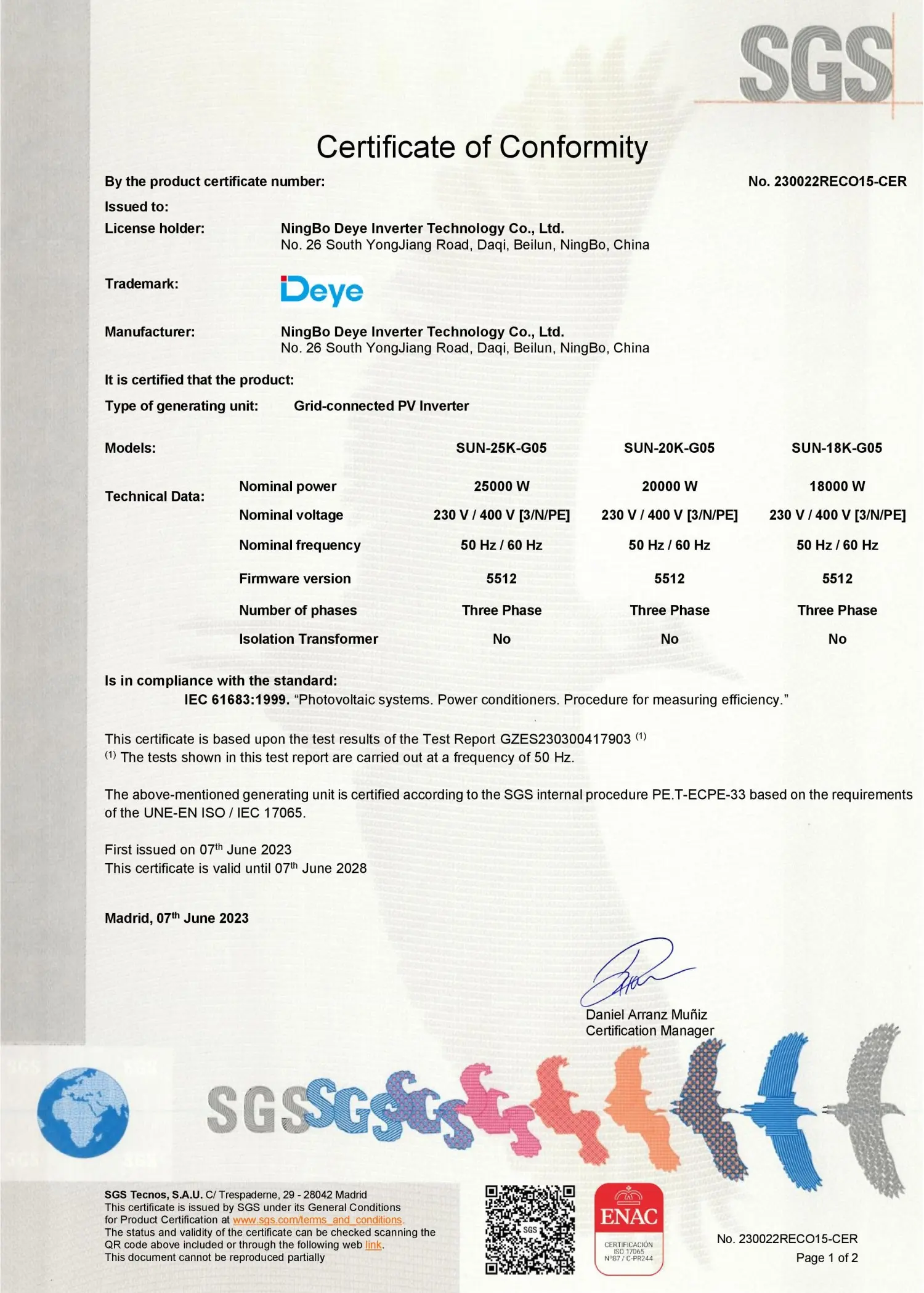
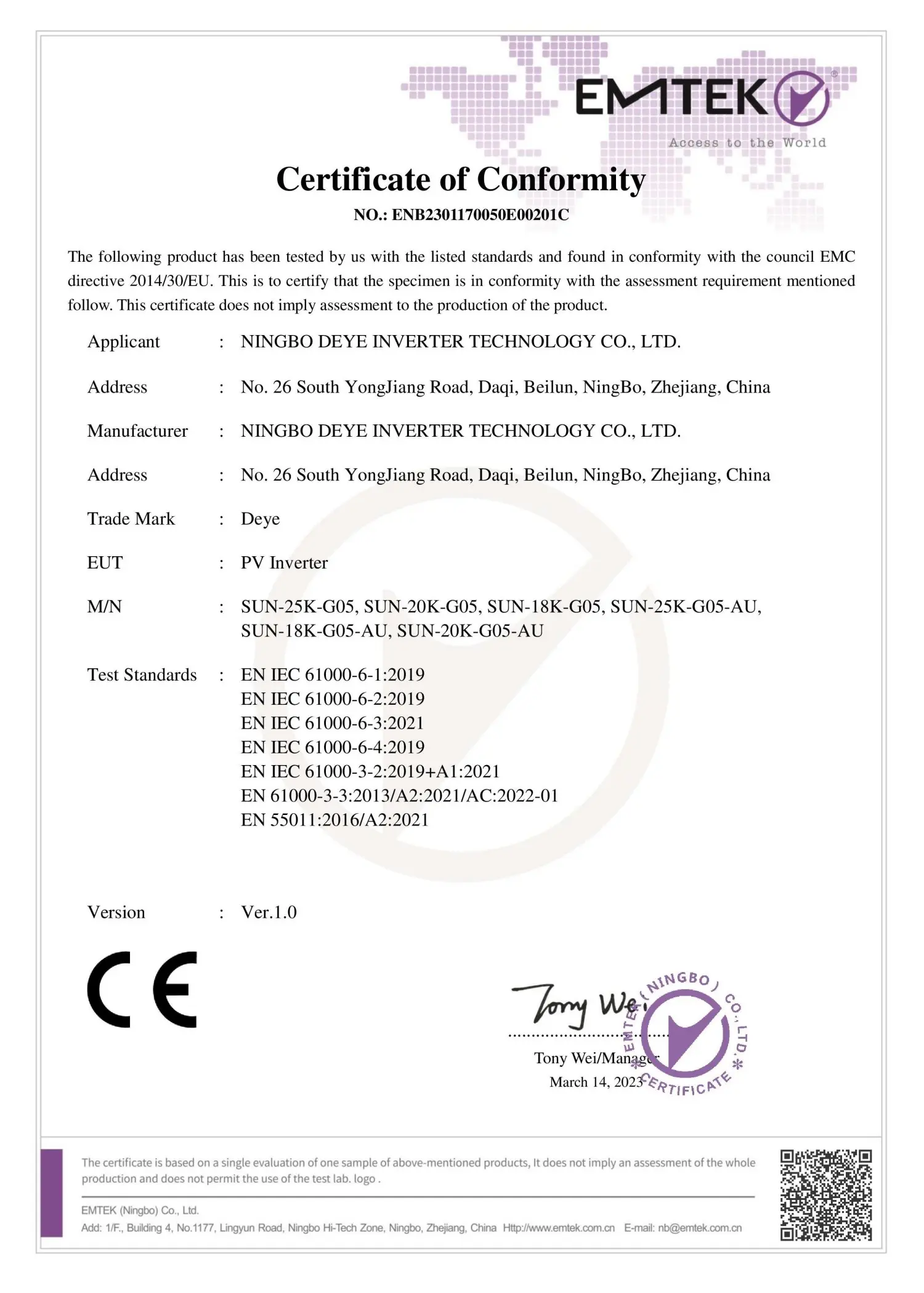
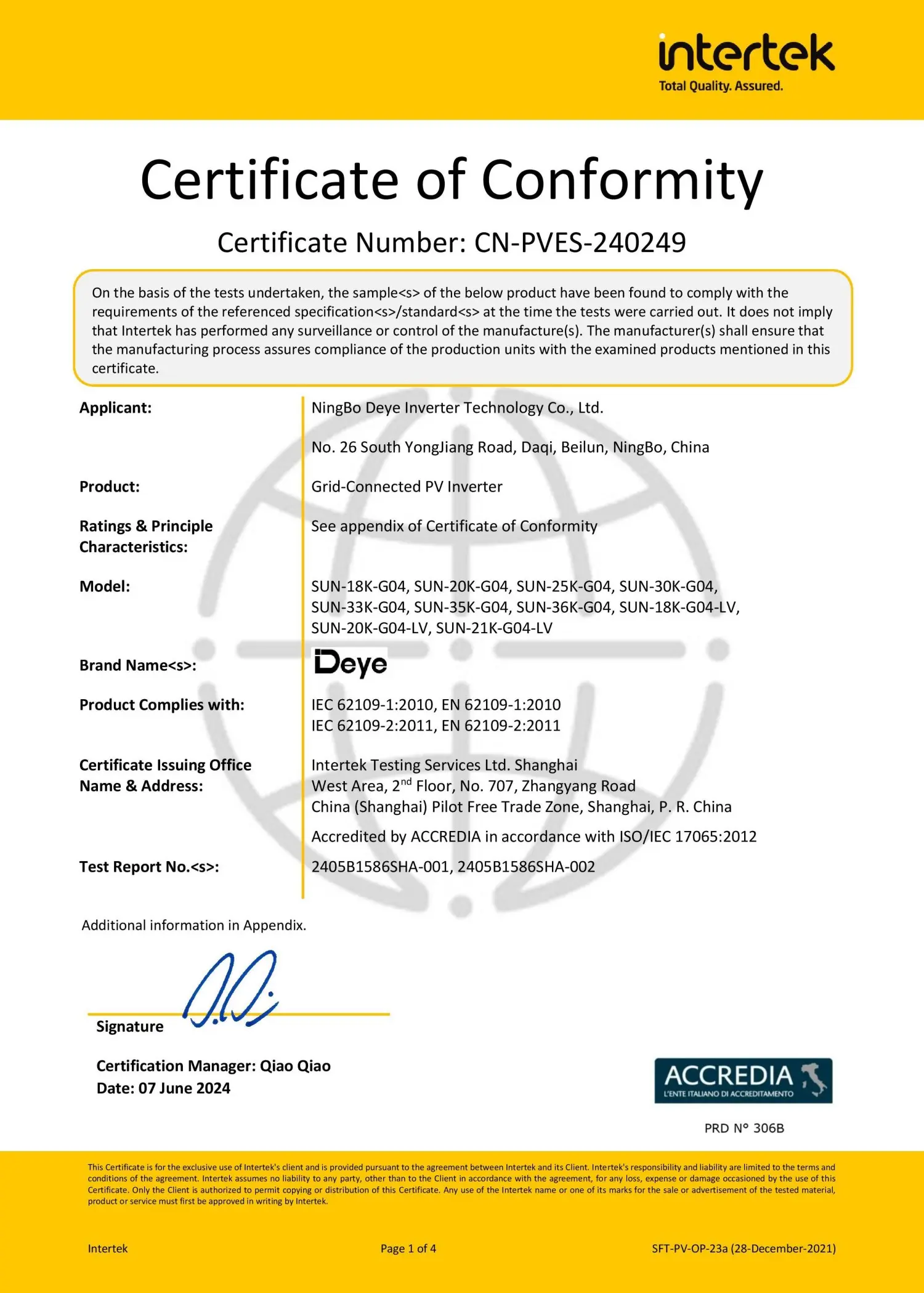
Critical considerations for EPC developers, commercial procurement teams, and solar installation integrators.
When purchasing 20kW solar infrastructure, global procurement managers must evaluate several technical dimensions beyond capital expenditure:
Common questions from EPC engineers, purchasing managers, and distributors regarding custom 20kW systems.
The total number depends on individual panel wattage. If you utilize our high-efficiency 550W bifacial TOPCon modules, you will need approximately 36 to 37 panels. Opting for higher-wattage modules reduces the balance-of-system (BOS) footprint and mounting hardware requirements.
A hybrid inverter (such as our 3-phase hybrid options) manages inputs from the solar arrays, battery bank, grid, and backup generators. This design avoids the need for separate AC coupling inverters, reducing power conversion losses and simplifying system control.
Yes, provided the system is paired with a corresponding lithium battery bank (typically 40kWh to 100kWh capacity) to handle non-solar hours and high-current starting loads. Load profiling is recommended to align startup surges with the inverter's surge rating.
Our OEM ATS Bypass Cabinets automatically isolate the commercial grid during power outages, switching the facility to backup generator or battery microgrid operation. This protects sensitive electronics from utility voltage fluctuations.
We provide a 12-year product materials warranty and a 25-year linear power output performance warranty on our Tier-1 modules. Our LiFePO4 energy storage packs feature a standard 5-to-10-year warranty, backed by cell lifecycle testing.
Yes. Our engineering team provides custom electrical designs, mechanical structural plans for mounting brackets, tailored battery enclosure sizing, and client-specified system parameterization to match local utility specifications.
High-capacity energy storage containers, N-type TOPCon modules, and grid-tied inverters.
 MH Energy