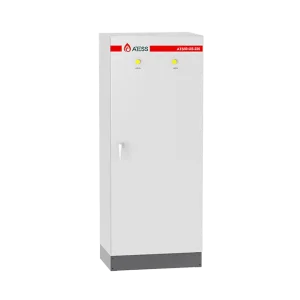
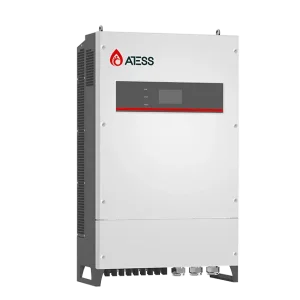
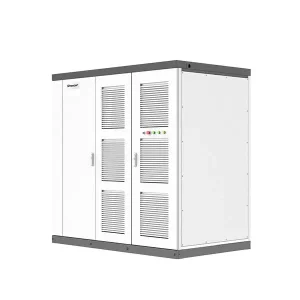
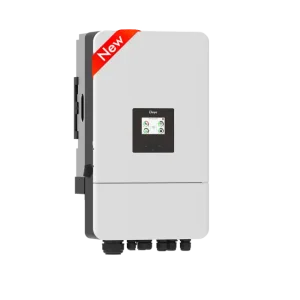
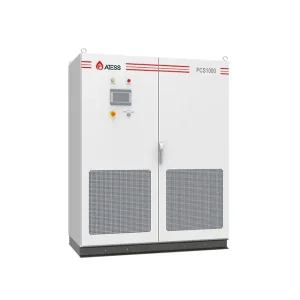
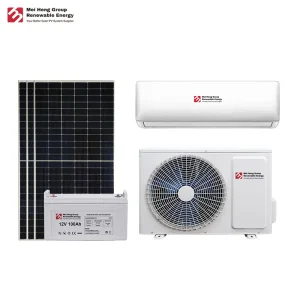
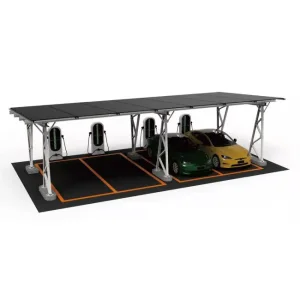
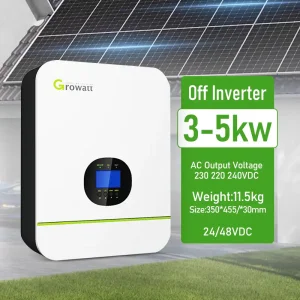
High-capacity inverters, bypass switch cabinets, and custom containerized utility systems

The global transition to sustainable electricity demands highly efficient, scalable, and secure electrical storage mediums. Standard storage installations struggle with energy density, degradation, and poor thermal management. As a leading manufacturer of high-performance Fox Solar Battery solutions, we leverage lithium iron phosphate (LiFePO4) chemistry to construct modular, robust residential and commercial-to-industrial (C&I) energy storage networks.
Integrating advanced Fox battery cells with state-of-the-art Battery Management Systems (BMS) ensures maximum depth of discharge (DoD), active cell-to-cell balance, and complete communication compatibility with Tier-1 smart hybrid inverters. This design framework optimizes operational expenditures (OPEX) and secures long-term levelized cost of storage (LCOS) value for distributors, engineers, and installers worldwide.
Tailored solar and energy solutions to cut operational costs and power your life and business with grid independence.
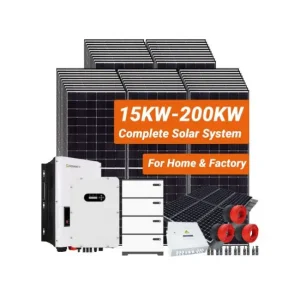
Self-sufficient solar setups providing stable electrical supply to remote locales, telecommunication antennas, and off-grid facilities. Incorporates pure sine-wave output and dynamic load control.
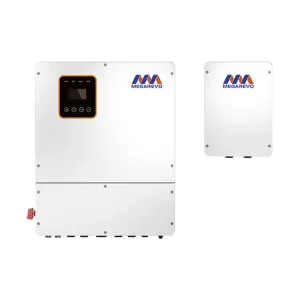
Sleek, modular wall-mounted or stackable lithium battery packs. Integrated with smart BMS protocols to ensure seamless backup transition during grid failure.
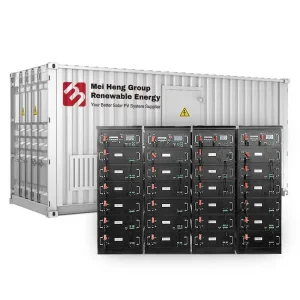
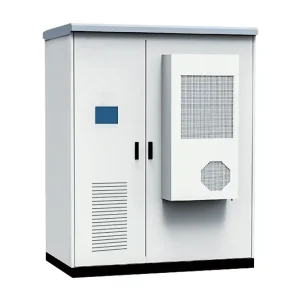
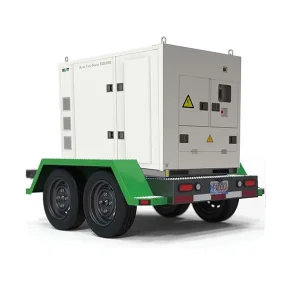
Scalable containerized solutions engineered to mitigate peak demand charges, optimize site load distribution, and provide reliable multi-megawatt backup systems.
Large-scale grid-level battery systems providing ancillary grid services, voltage regulation, and renewable source synchronization to energy utilities.
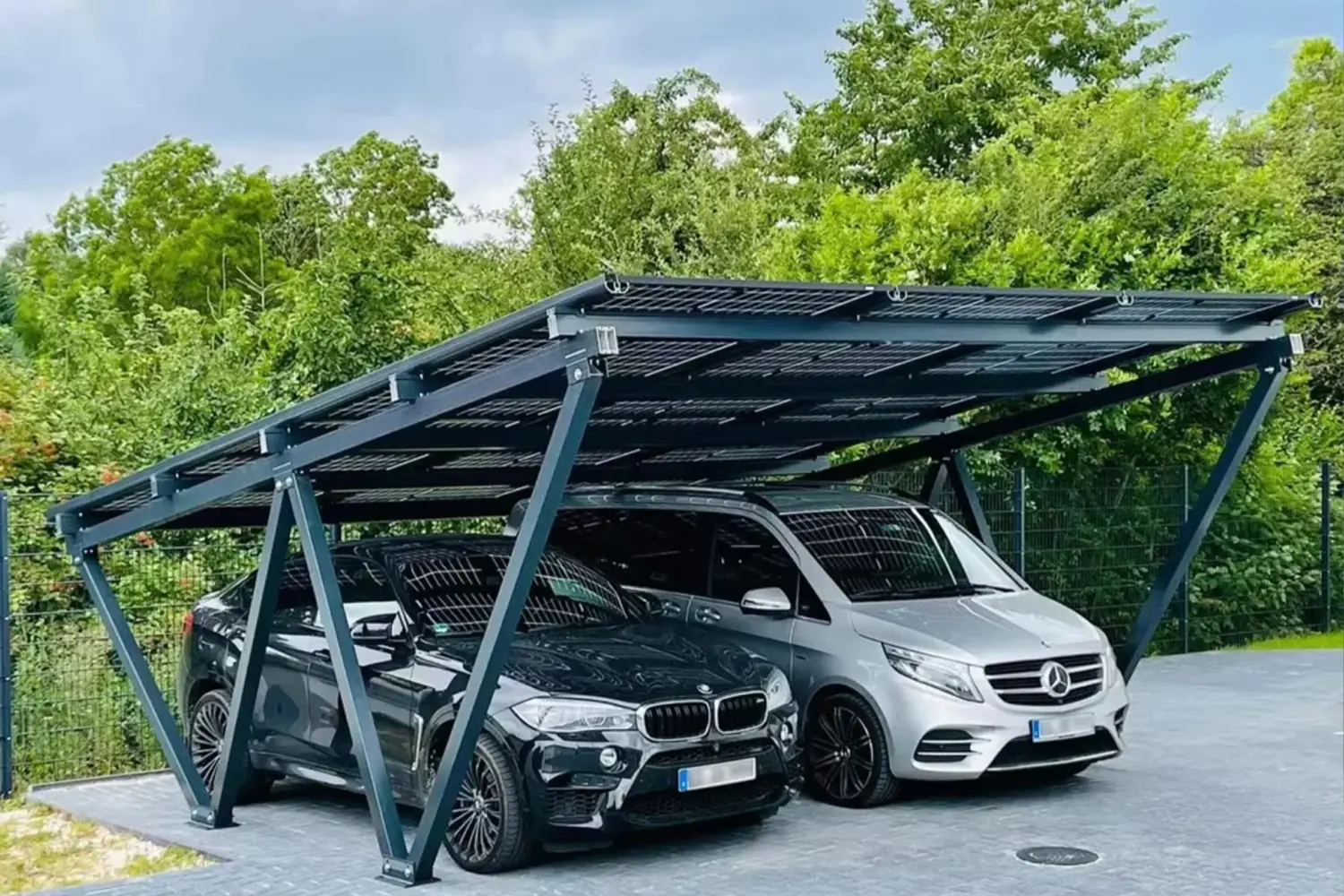
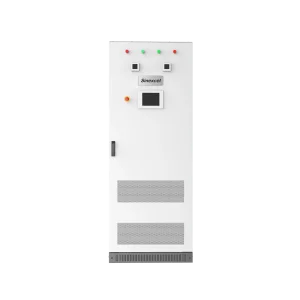
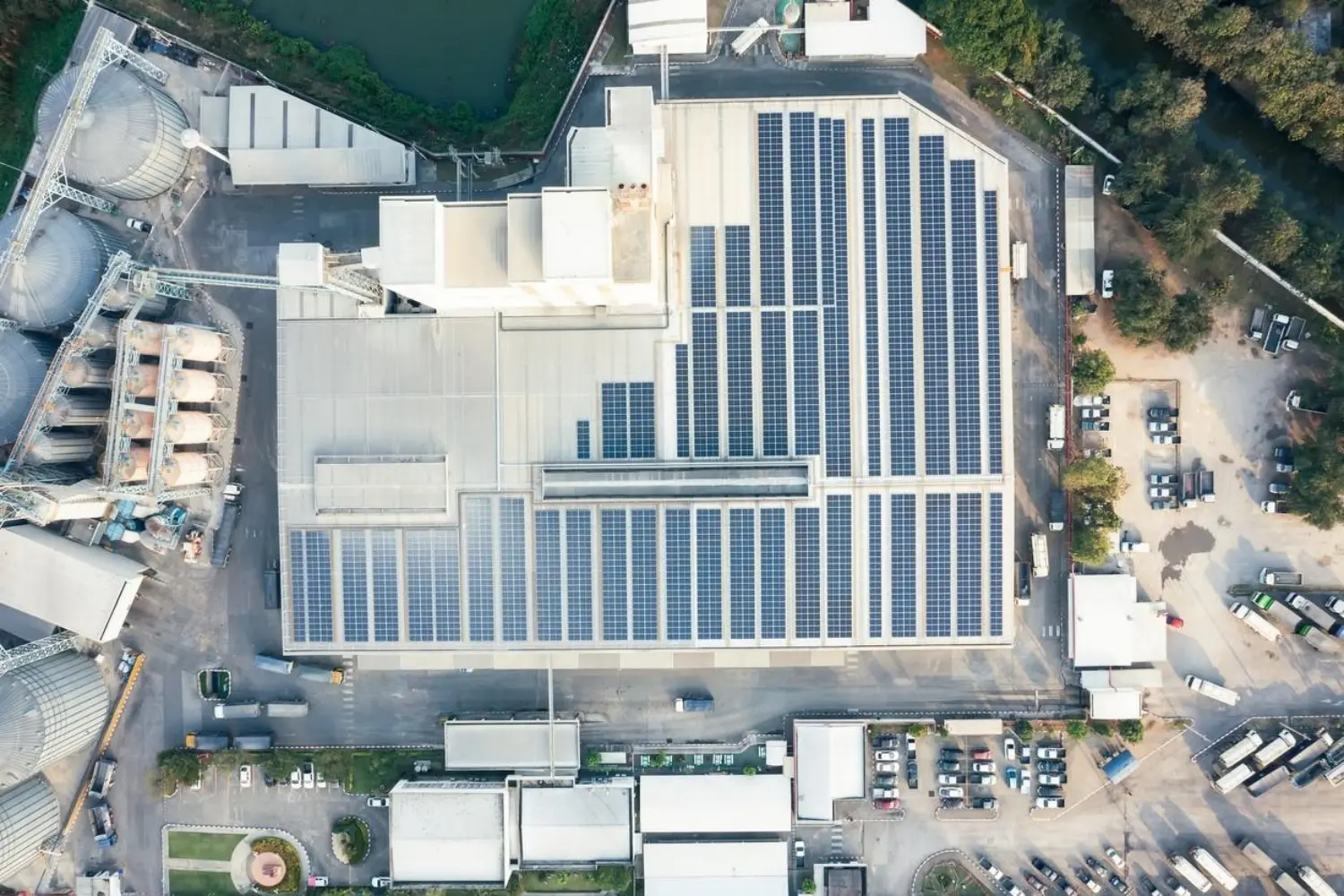
Excessive energy tariffs and unstable electrical infrastructures challenge manufacturing enterprises requiring high power availability. Incorporating solar arrays alongside custom energy storage cabinets allows companies to capture daylight generation and cycle it during high-tariff periods, commonly known as peak-shaving.
By deploying automated LFP Fox Solar Battery setups, commercial sites gain grid autonomy, reduce carbon intensity metrics (Scope 1 and Scope 2 emissions), and secure continuous manufacturing operations during utility line sags.
Get Technical SpecificationsWe operate fully vertically integrated manufacturing divisions, ensuring robust components across the entire solar-plus-storage architecture.
Specializing in a full range of high-efficiency PV modules: N-type, TOPCon, HJT, and BC structures. Configured in monofacial and bifacial variants with output capabilities ranging from 400W up to 700W+.
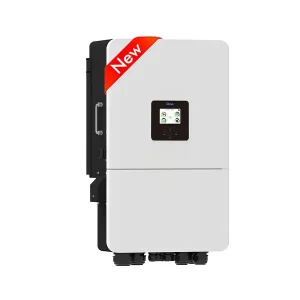
Producing high-reliability single-phase and three-phase solar PV, hybrid, and off-grid inverters from 1kW to 110kW. Outfitted with cloud-linked smart monitoring modules.
Boasting over 20 years of technical expertise. Manufacturing high-cycle lithium iron phosphate (LiFePO4) storage arrays, modular rack systems, and mega-scale containerized systems.
Our operational framework minimizes raw material acquisition bottlenecks, guaranteeing stable product supply schedules.
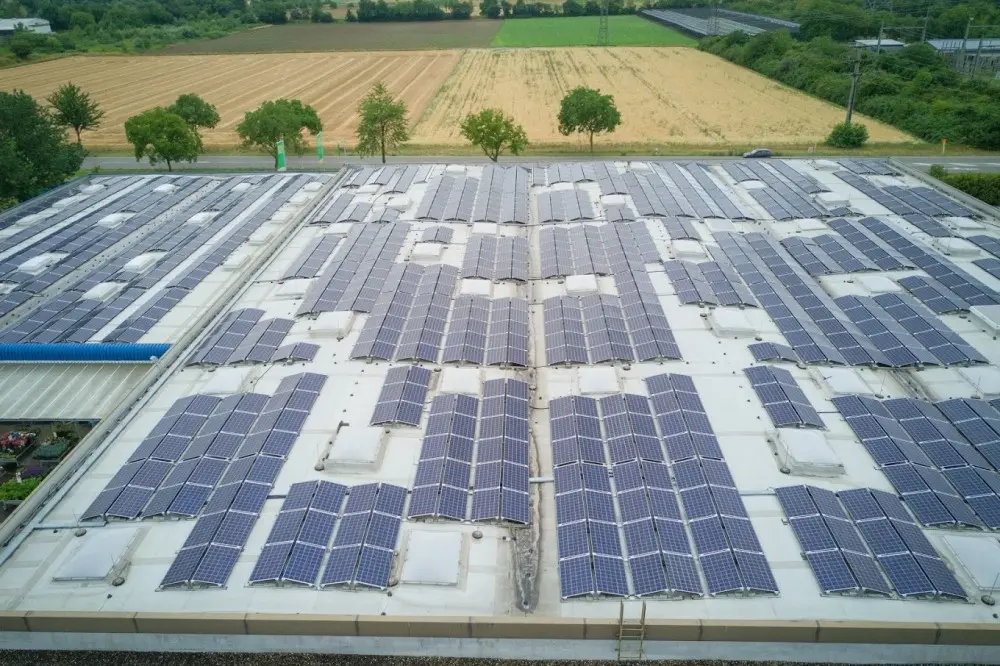
With an annual capacity of 10GW, our state-of-the-art facilities ensure precise crystalline cell stringing, laminating, and flash testing. This guarantees high power tolerance and resistance against Potential Induced Degradation (PID).
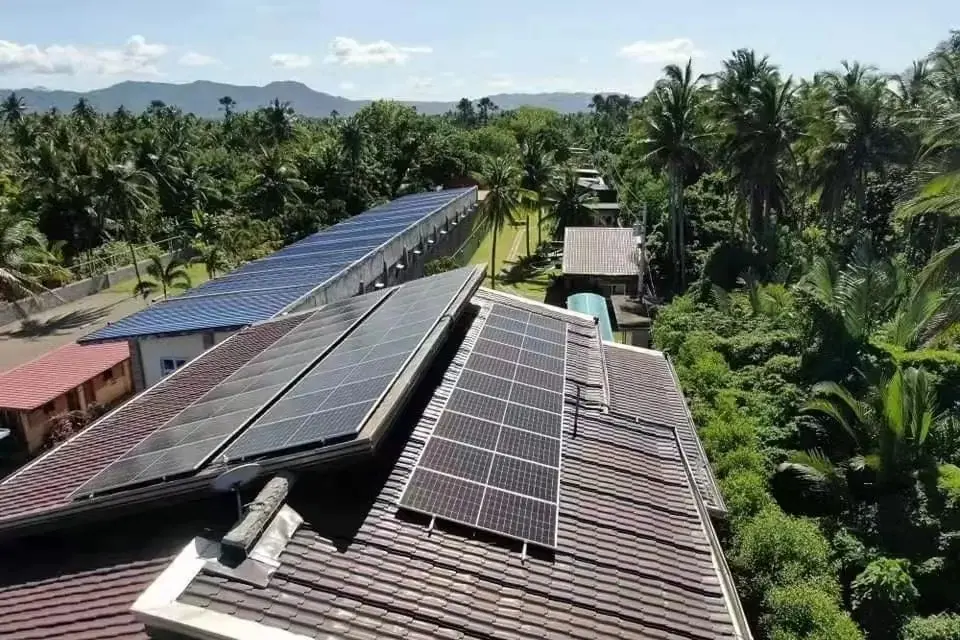
Every single-phase and three-phase hybrid inverter passes rigid burn-in testing and grid fault simulation checks, assuring reliable MPPT tracking and thermal heat-dissipation efficiency under heavy load profiles.
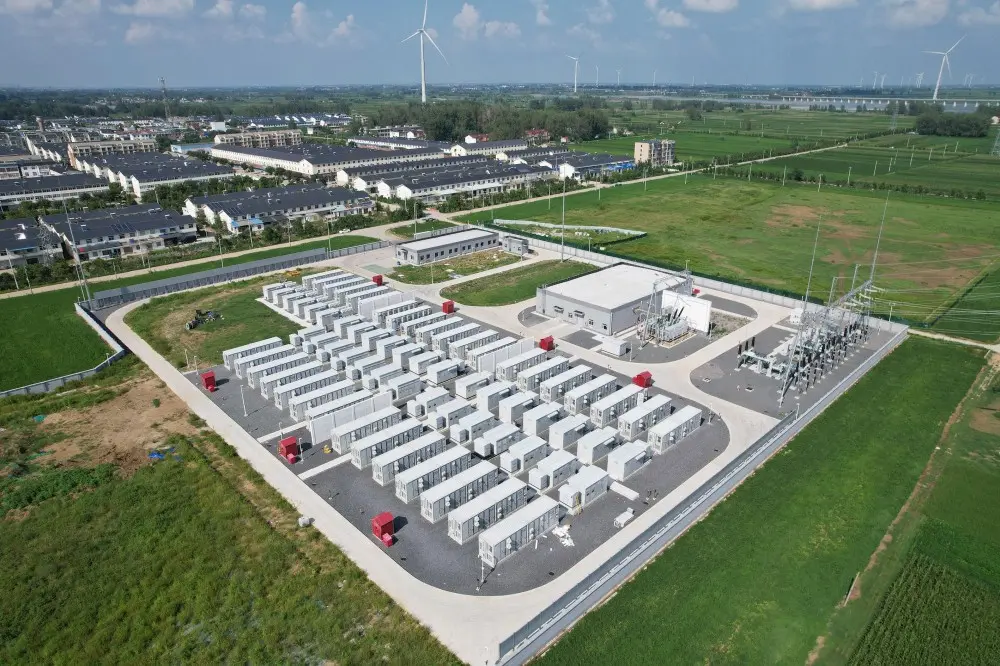
Our ISO-certified manufacturing line integrates advanced cell-sorting machines to ensure voltage uniformity. Combined with customized multi-stage BMS platforms, we achieve battery systems featuring >6000 cycles at 90% DoD.
The central core of our solar battery manufacturing capability resides in our integrated Chinese supply chain. Having localized logistics networks for key battery elements (such as high-purity lithium salts, copper foil, and smart BMS semiconductors) enables us to circumvent global price volatility.
This complete vertical integration translates directly into pricing stability and rapid order turnaround times for global EPC developers. By maintaining long-term partnerships with tier-1 raw material suppliers, we guarantee consistent cell-level chemistry specifications across large production runs.
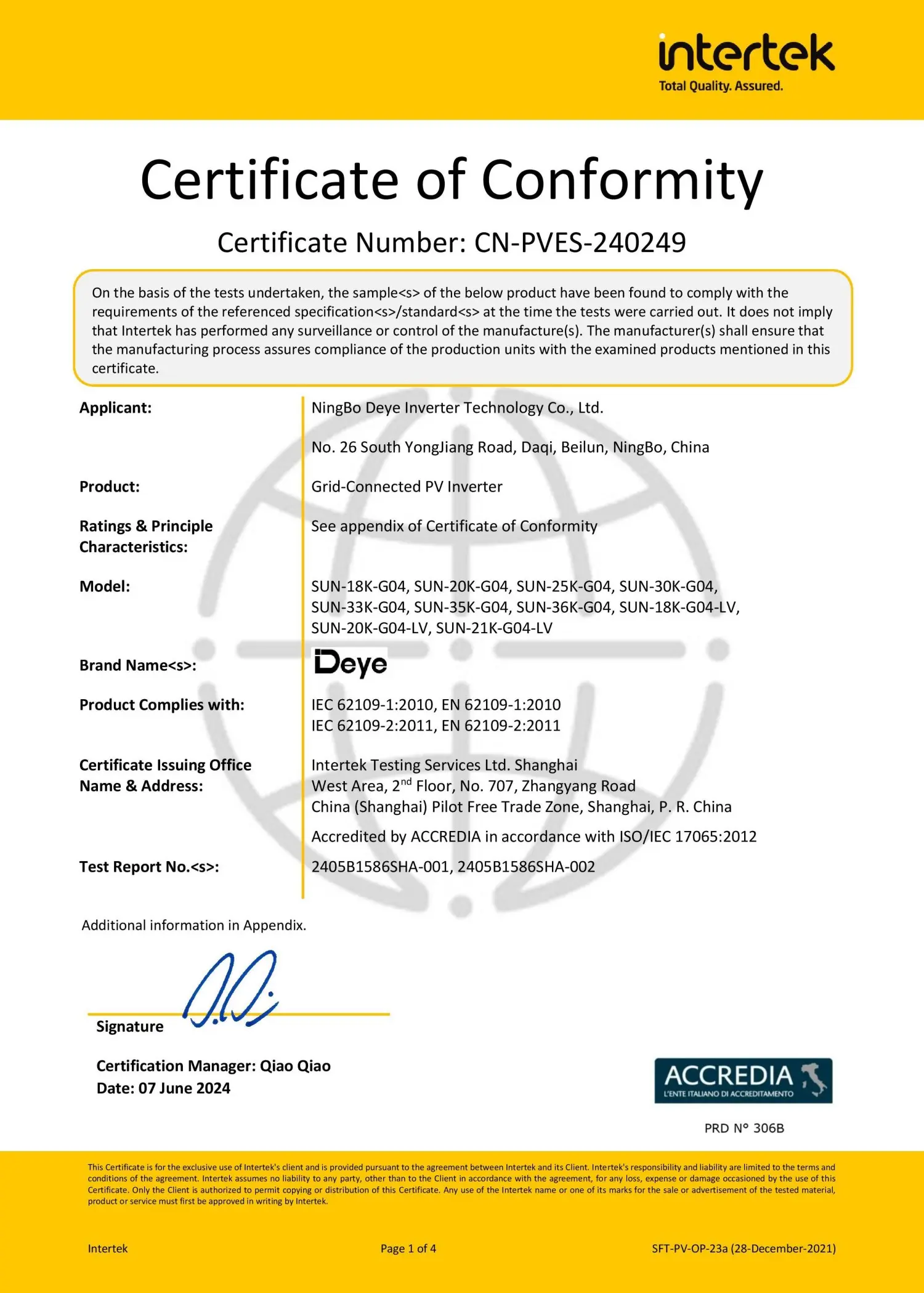
Deploying storage hardware globally requires aligning with multiple international utility grid interconnection requirements. Our Fox Solar Battery packages undergo exhaustive tests to obtain global certifications:
Every solar market has distinct environmental parameters, localized grid codes, and commercial branding demands. We address these factors by offering flexible OEM and ODM services:
The battery technology sector is shifting toward safer chemistries and smart firmware integrations. Lithium Iron Phosphate remains the premier choice due to its high thermal stability compared to Nickel Manganese Cobalt (NMC).
Simultaneously, we are investing in research and development for sodium-ion batteries to provide alternative low-cost setups for static utility-scale applications. Furthermore, our development teams are incorporating AI algorithms into BMS firmware, enabling predictive cell failure prevention and State-of-Health (SoH) diagnostics.
Our storage systems interoperate with major global components and clean energy systems.


















Our PV modules, inverters, and lithium batteries are rigorously certified to meet strict industry standards for quality, reliability, safety, and high conversion efficiency. By supplying guaranteed quality products, we remain committed to delivering reliable and highly competitive power systems and energy storage solutions to our clients.
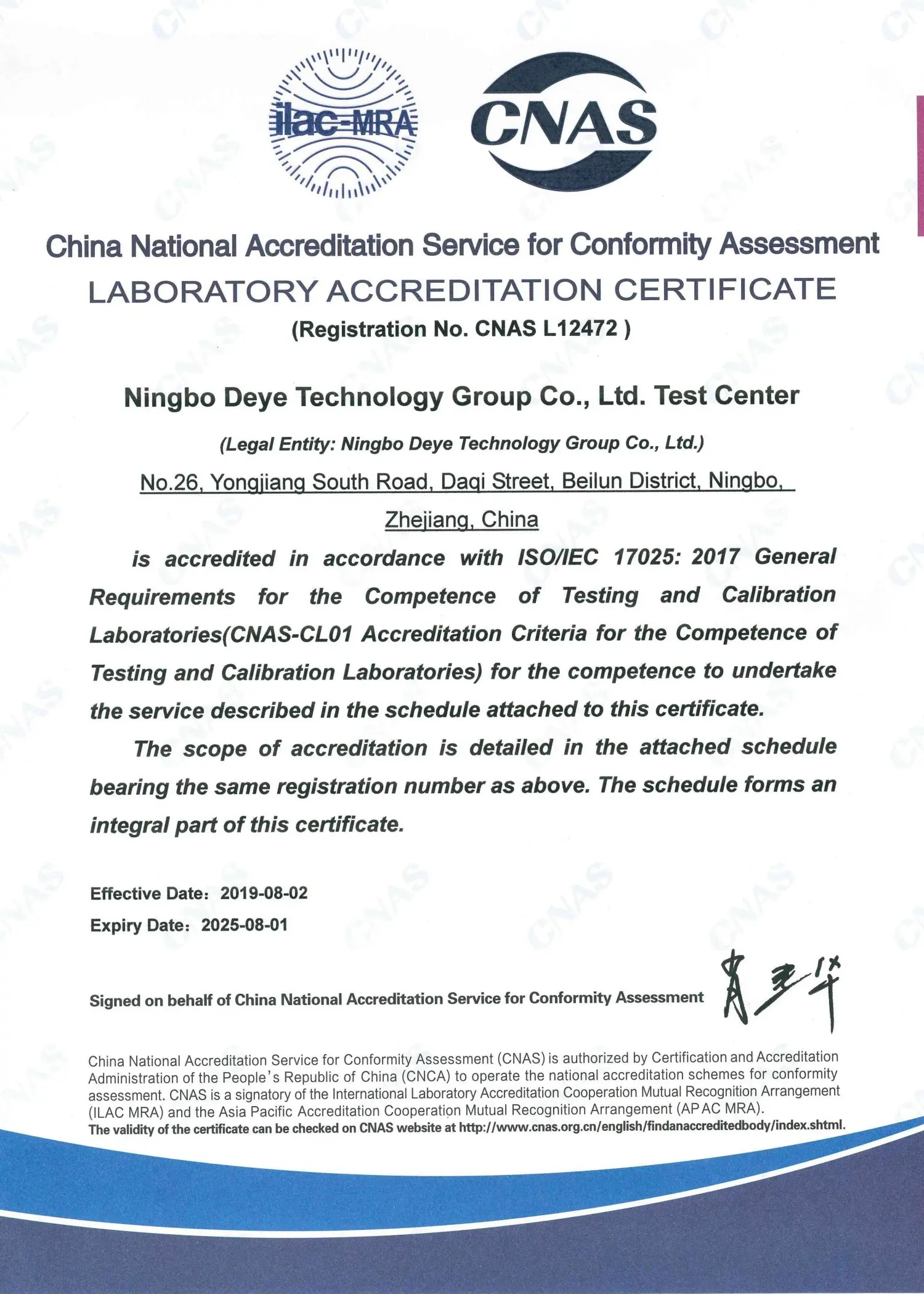
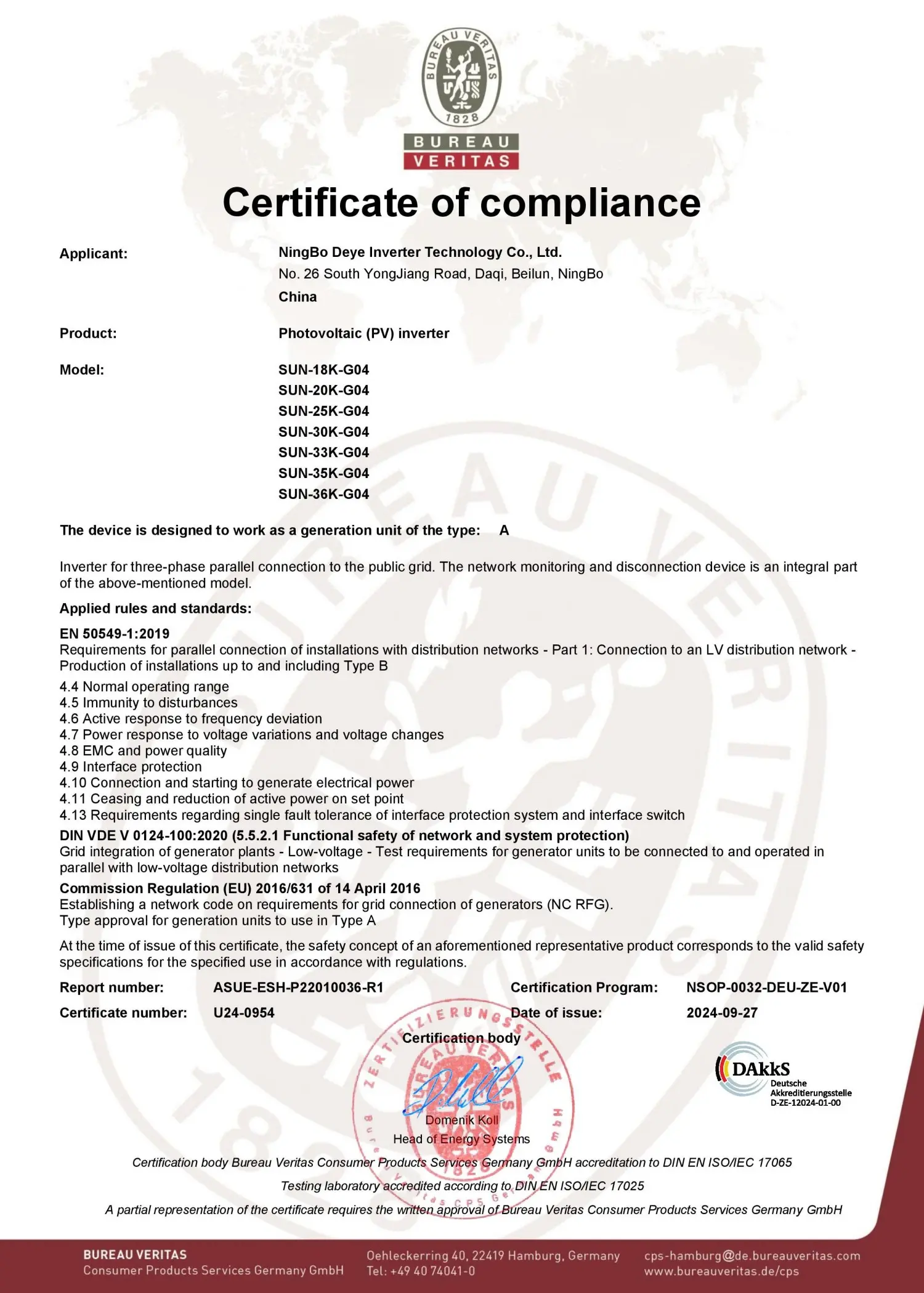
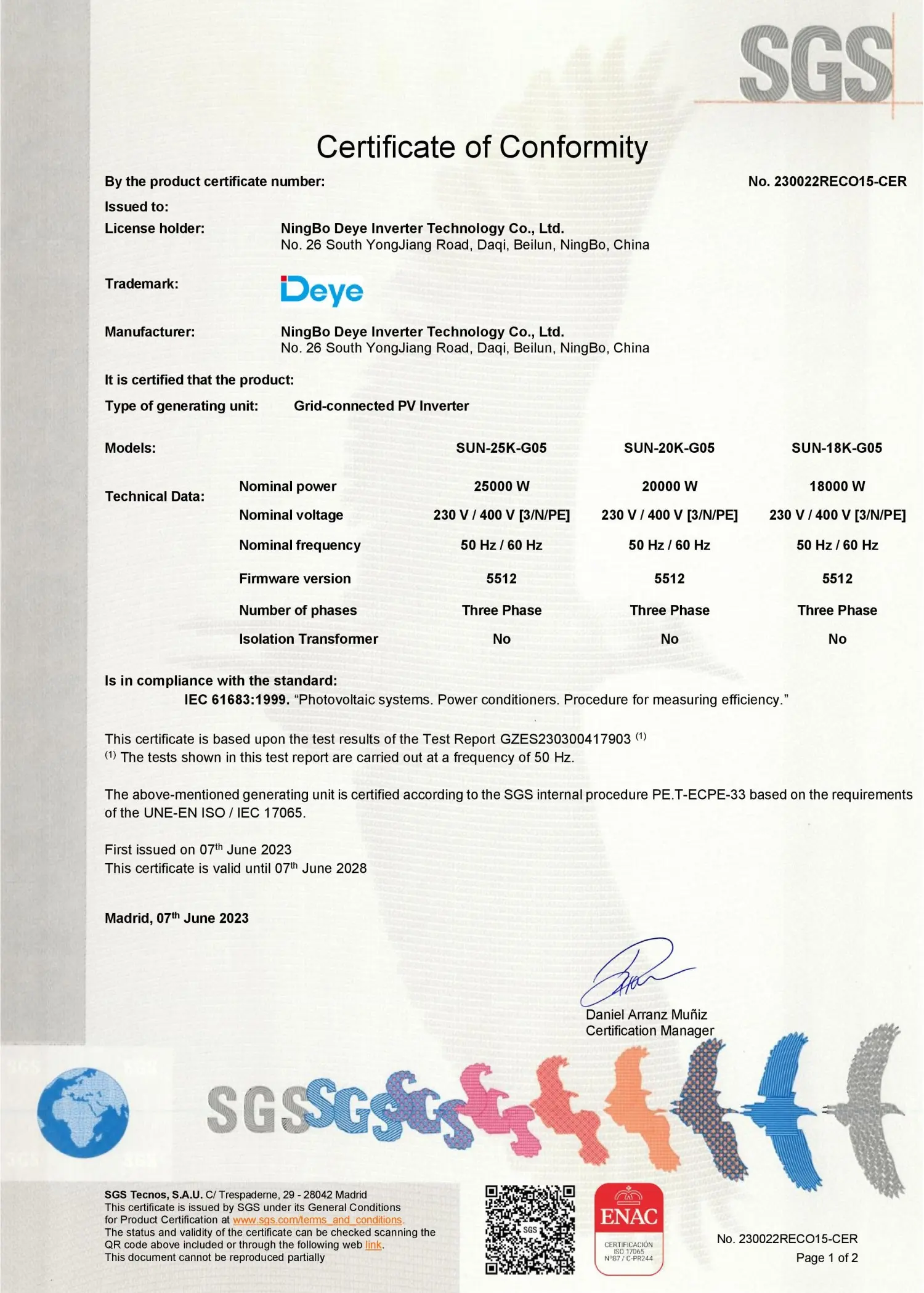
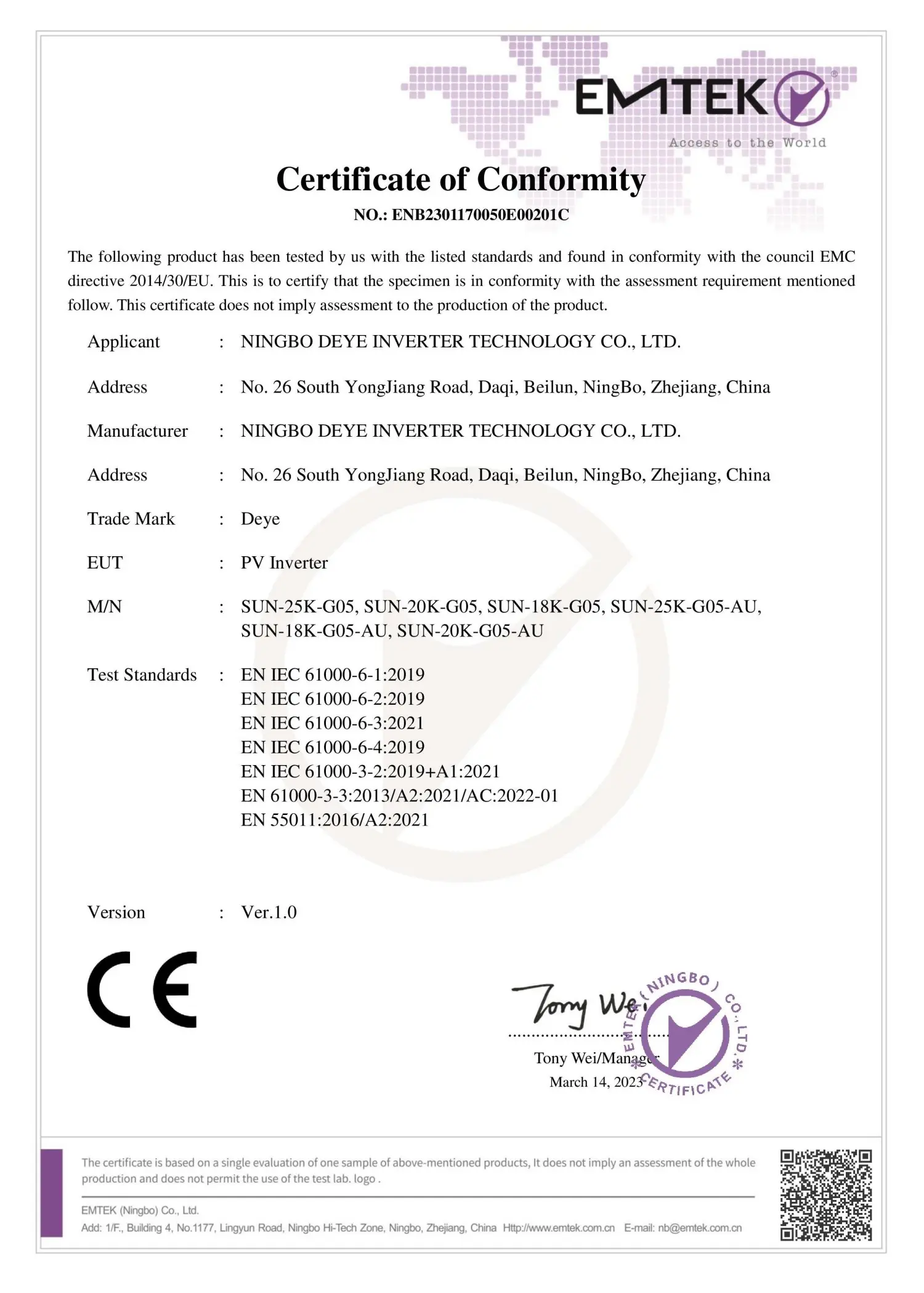
Comprehensive answers regarding compliance, technology, and commercial logistics.
High-efficiency inverters, custom solar carports, and home backup solutions
 MH Energy