The global energy transition has evolved from simple photovoltaic generation to complex, high-efficiency Battery Energy Storage Systems (BESS). As utilities, commercial enterprises, and residential consumers demand grid independence, peak shaving capabilities, and uninterrupted power supply (UPS), the search for a reliable, highly optimized, yet cheap PV battery storage manufacturer has become paramount. Energy developers no longer look merely for unit-level discounts; they seek Levelized Cost of Storage (LCOS) reduction, high cycle stability, and advanced thermal management architectures.
Modern solar energy ecosystems depend heavily on the seamless integration of Lithium Iron Phosphate (LiFePO4/LFP) battery chemistry, smart high-voltage hybrid inverters, and automatic bypass transfer systems. China's manufacturing domain leads this revolution through gigawatt-scale production automation, vertical cell-to-pack (C2P) integration, and unmatched supply chain synergies. By sourcing directly from Tier-1 OEM/ODM manufacturing hubs, international buyers bypass middleman markups while gaining customized system engineering tailored to regional electrical standards (ranging from US 208V/480V grid setups to European 400V three-phase systems).
Understanding why Chinese factories dominate the global PV battery supply chain is critical for institutional procurement teams. Chinese BESS facilities offer structural capabilities that dramatically compress capital expenditure (CAPEX) and operational expenditure (OPEX):
From raw lithium refining and cathode synthesis to localized BMS microchip embedding, Chinese battery clusters in Jiangsu, Guangdong, and Zhejiang eliminate international freight delays for raw components, ensuring rapid delivery timelines.
Automated manufacturing lines operating at 10GW+ scale decrease fixed operational costs per unit cell. Precision robotics guarantee microscopic variance in internal resistance (≤0.5mΩ), optimizing long-term pack balancing.
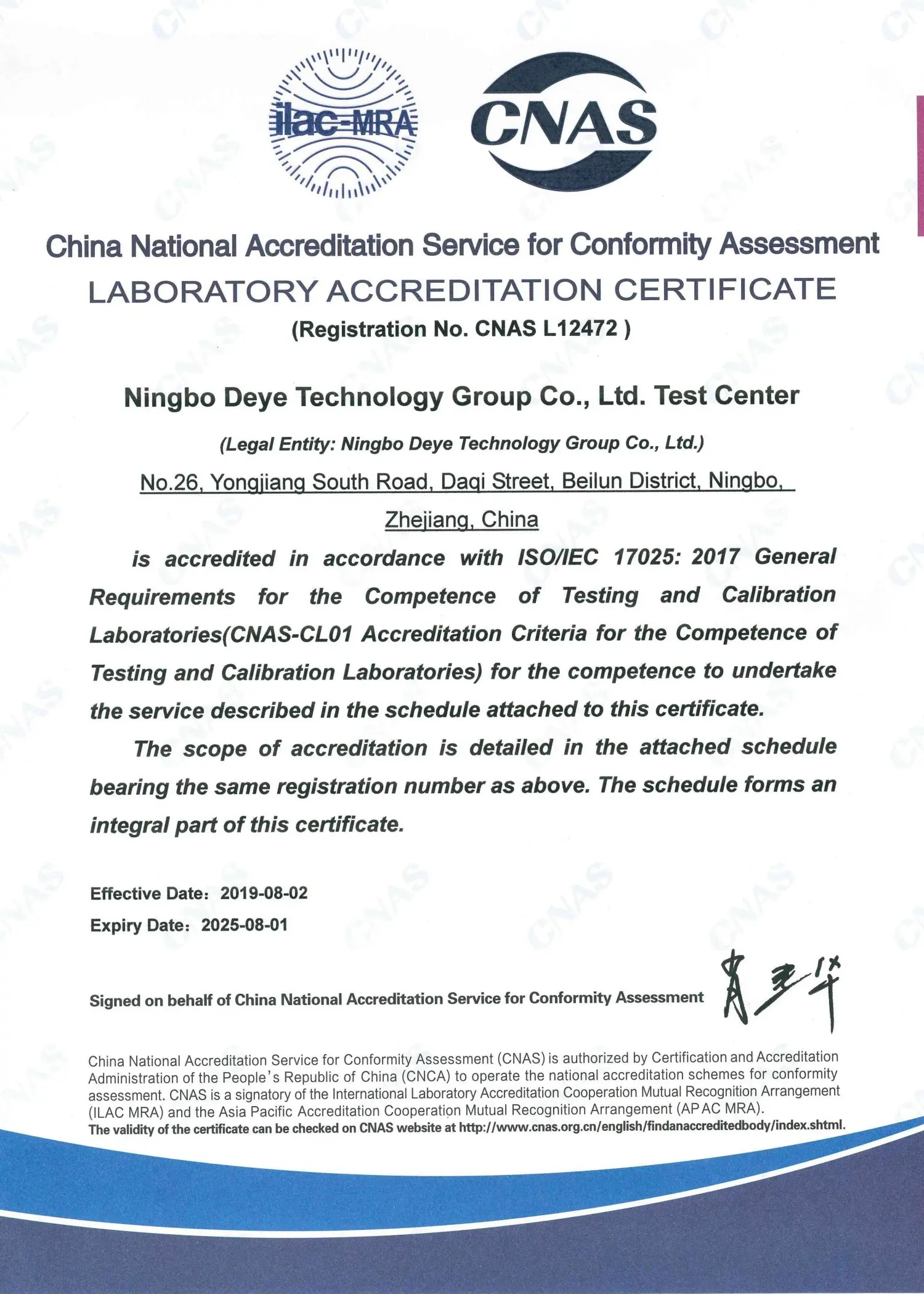
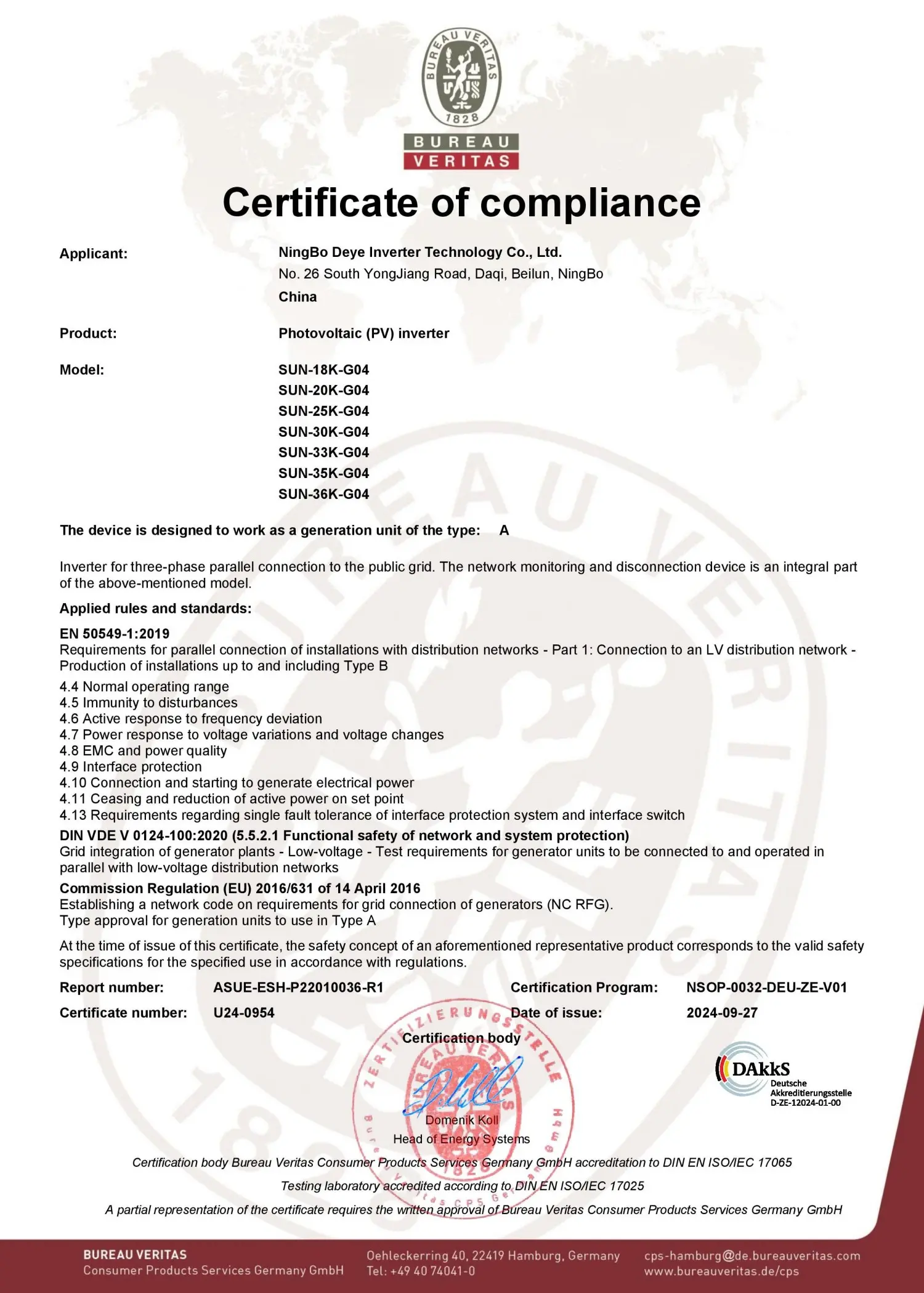
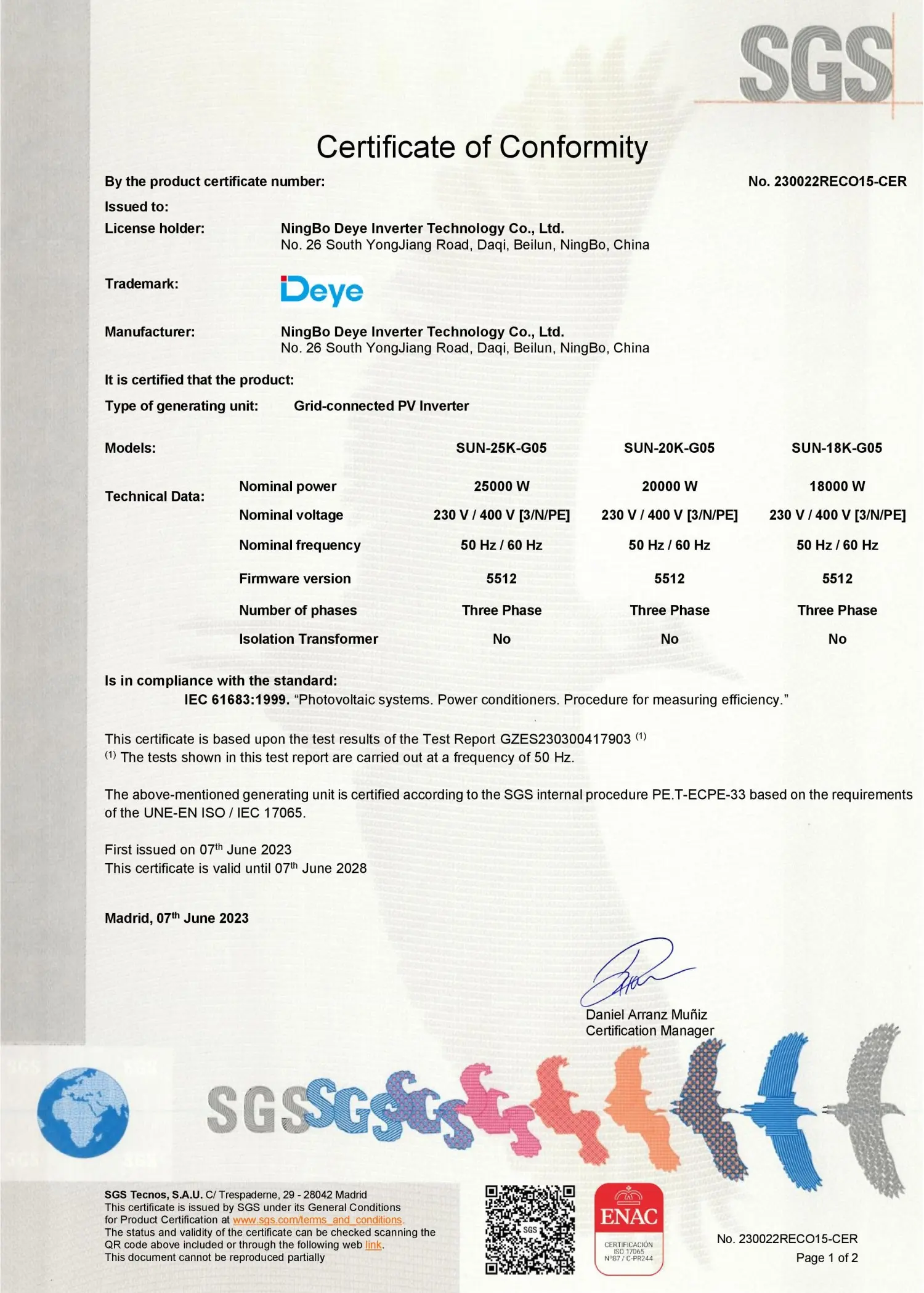
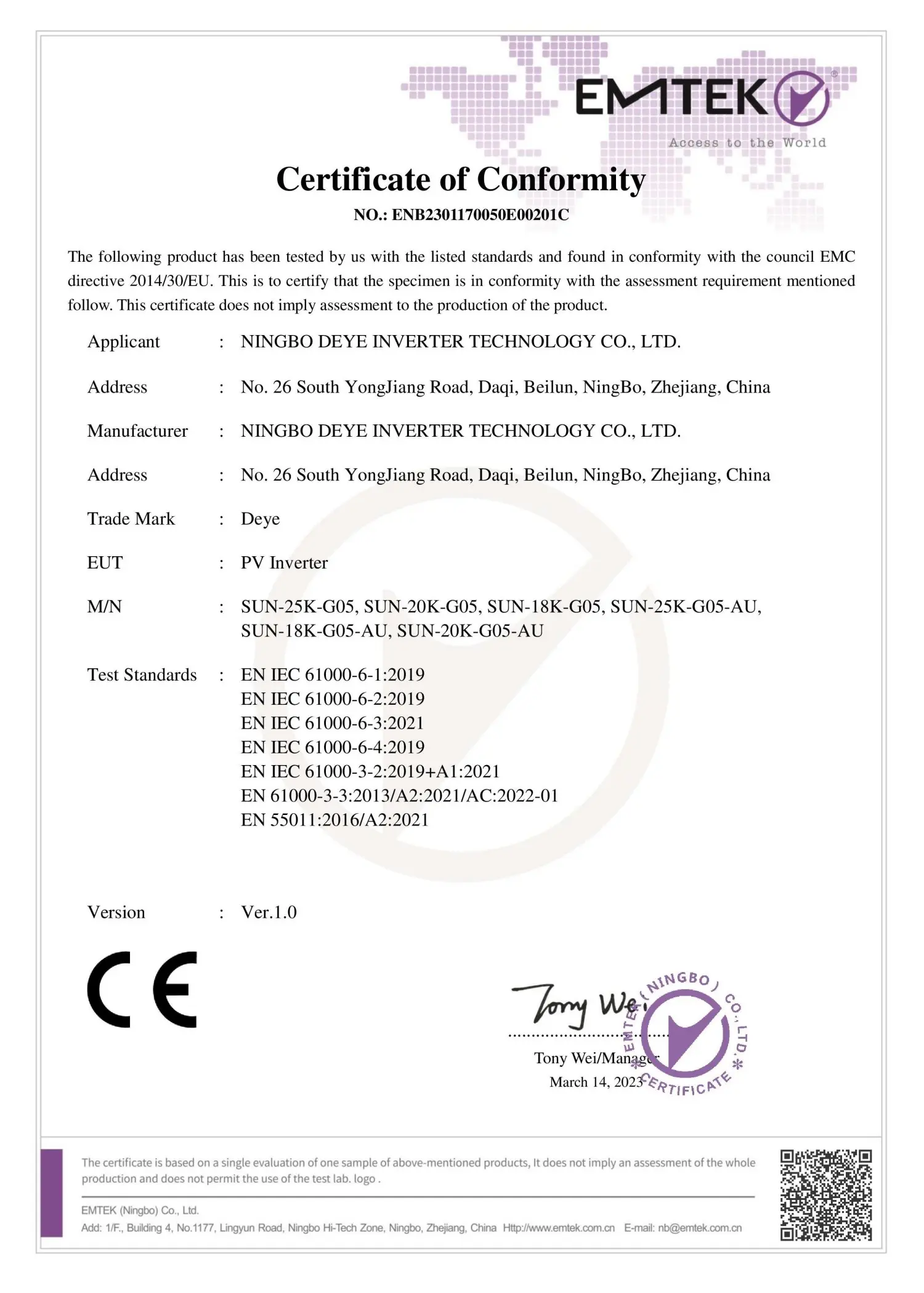
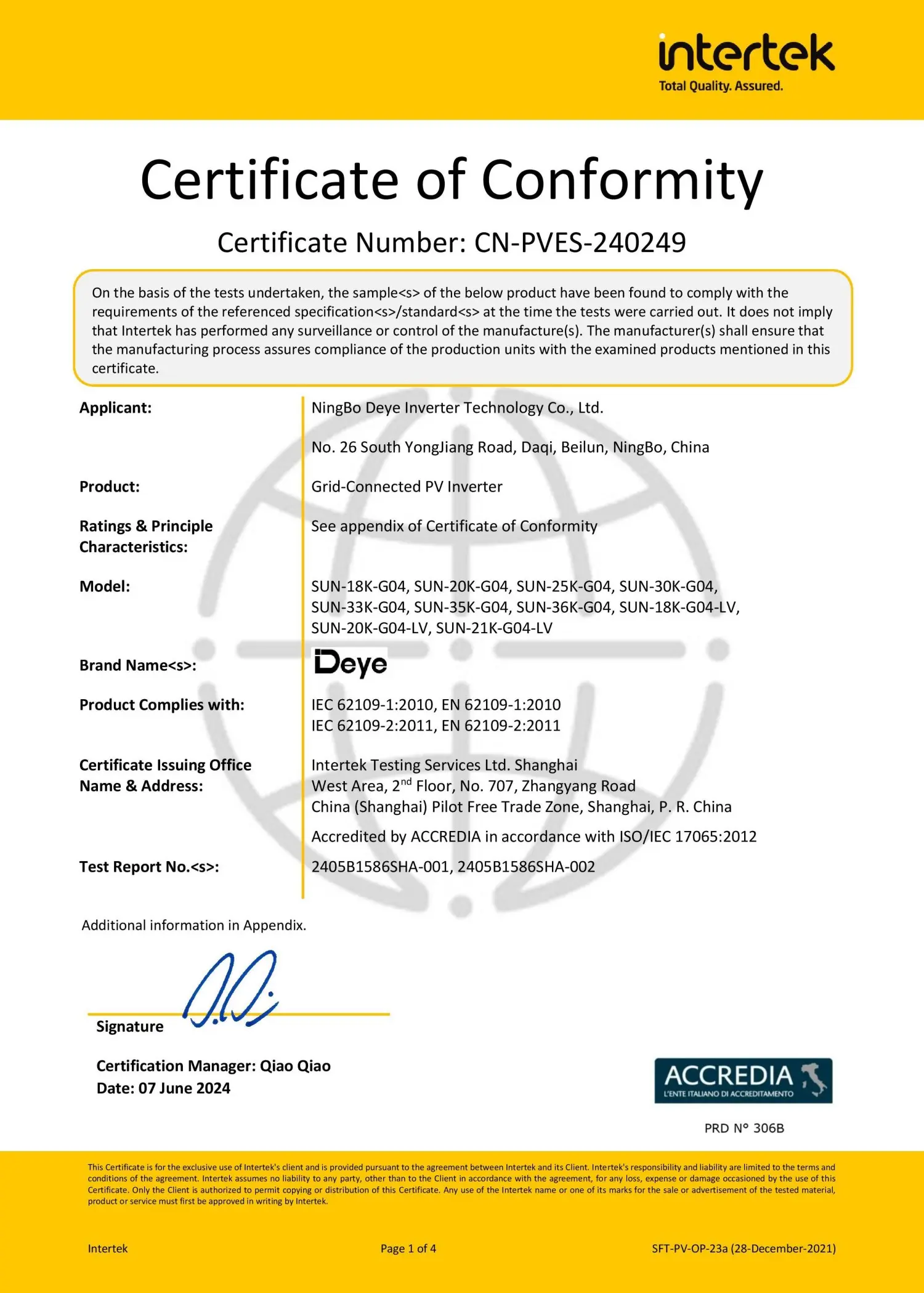
Factories are fully backed by pre-certified compliance packages including IEC 62619, UL 1973, UL 9540A, UN38.3, CE, and TÜV, drastically accelerating regional grid connection approvals for overseas partners.
Achieving maximum energy yield and system longevity requires matching the optimal inverter topology with chemical energy storage and protection hardware. Our integrated manufacturing supply chain encompasses four primary pillars:
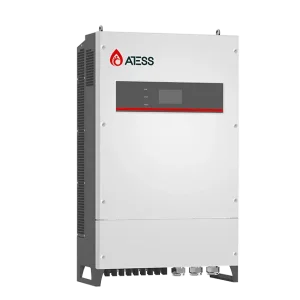
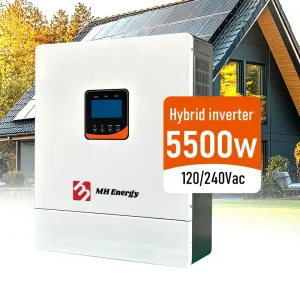
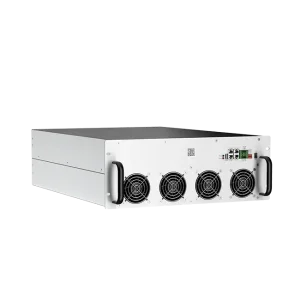
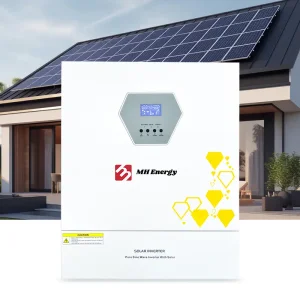
Modern hybrid energy systems demand fast switching response times (<10ms) to act as seamless UPS backup. Solutions such as the HPS30000TL-US-208 and PWS1-160M-H-EX commercial storage inverters utilize wide MPPT voltage ranges and dual-direction AC/DC conversion to handle asymmetrical phase loading, high surge currents from inductive industrial loads, and seamless integration with diesel generators or solar arrays.
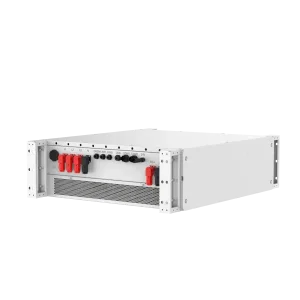
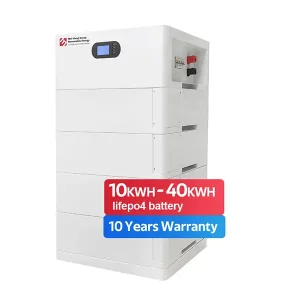
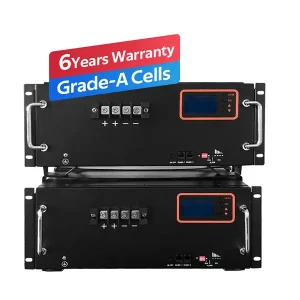
Transitioning from low-voltage (48V) to high-voltage (200V-800V) lithium battery stacks minimizes current magnitude, which drastically lowers $I^2R$ thermal dissipation losses. Grade-A LiFePO4 cells paired with smart cloud-monitored BMS ensure over 6,000 deep discharge cycles. Modular stack structures allow scaling from residential 5kWh storage up to multi-megawatt C&I containerized energy storage units.
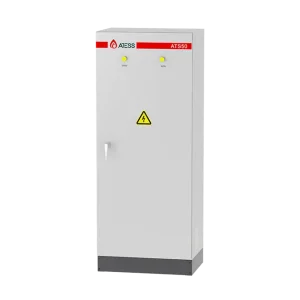
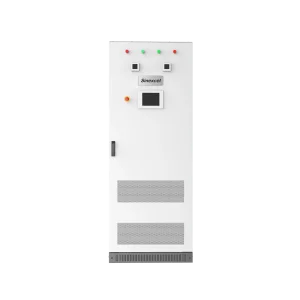
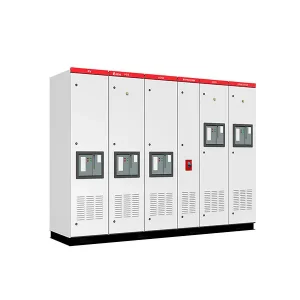
System redundancy is essential for zero-downtime industrial facilities. Custom transfer switch cabinets (such as the PWD-300/800K/2MW series and ATS30/50/100/150 bypass series) enable automatic isolation of grid faults, allowing safe manual or automated maintenance bypass without interrupting factory floor energy delivery.
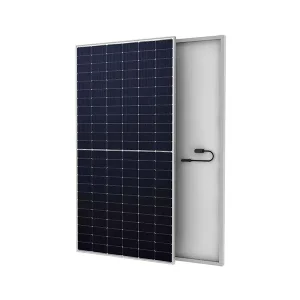
The front-end generation engine relies on high-wattage Grade-A half-cell PERC and N-Type TOPCon bifacial PV modules (545W to 700W+). Delivering bifaciality gains up to 25%, these modules maximize photon absorption even under low-light or diffuse irradiation environments.
Tailored solar and energy solutions designed to cut operational expenses and power critical infrastructure across four core sectors:
Complete autonomy for un-grid-tied telecommunications towers, remote agricultural installations, and island electrification, featuring robust surge protection and high-capacity battery banks.
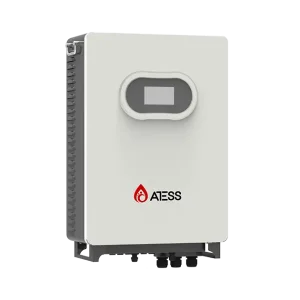
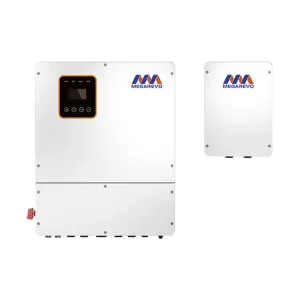
Sleek, low-noise, aesthetic stackable batteries and single/three-phase hybrid inverters (3.5kW - 12kW) enabling smart energy monitoring, self-consumption maximization, and emergency backup.
Empower your manufacturing plants and business parks. High electricity costs challenge heavy industrial facilities. By placing solar arrays on roofs and integrating 100kW-2MW BESS, factories achieve peak shaving, demand charge reduction, and carbon offset compliance.
Containerized 20ft and 40ft BESS solutions engineered for grid frequency regulation, renewable energy smoothing, and localized voltage support with integrated liquid or forced-air cooling systems.
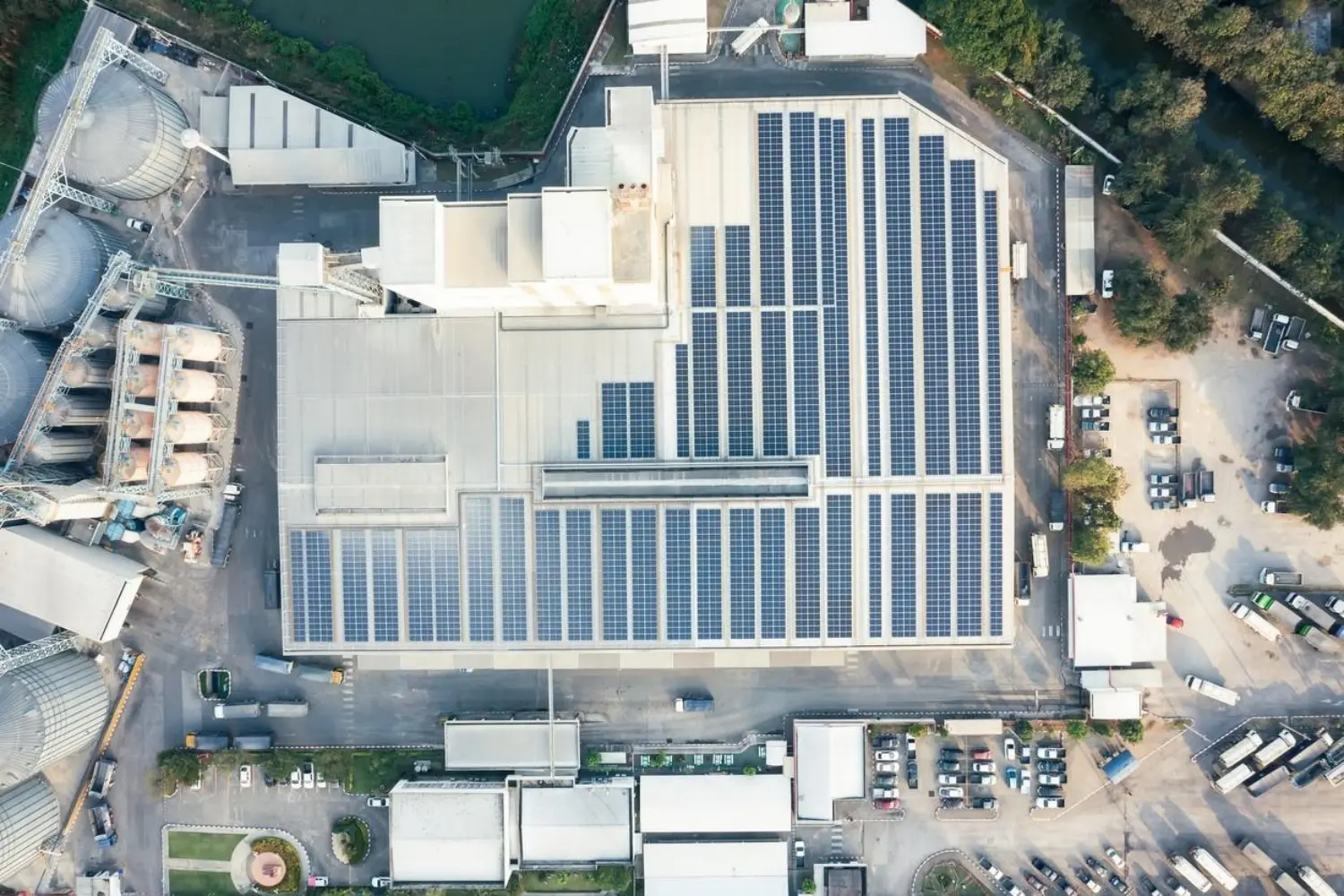
Energy demands differ vastly across international markets due to local grid reliability, tariff structures, and climatic conditions:
In regions with high capacity tariffs and extreme weather risks, enterprise clients utilize our US-compliant 208V/480V split-phase and three-phase hybrid inverters with fast ATS switching. Factories reduce high demand tariffs by discharging storage during peak afternoon hours.
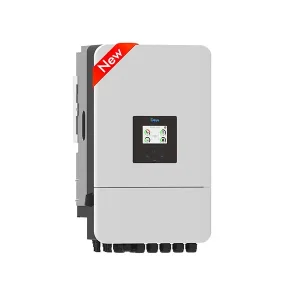
With volatile spot electricity pricing (Nord Pool / EPEX SPOT), European homeowners and businesses leverage smart high-voltage hybrid systems (H1 series 6-12kW) integrated with automated software to charge batteries during negative or low price periods and discharge during peak grid pricing.
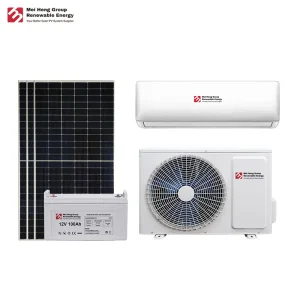
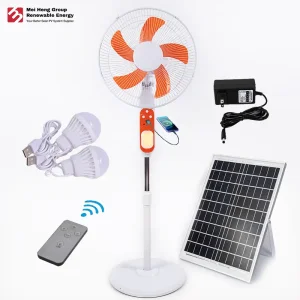
Unreliable central grids demand robust off-grid systems. Specialized applications like Solar Air Conditioning and Solar Fan Cooling Systems directly connect PV arrays to thermal control hardware, lowering operational costs for agricultural storage, commercial cold chains, and remote workforce accommodations.
As a dedicated manufacturing enterprise, our unified supply chain ensures end-to-end quality control across three specialized production facilities:
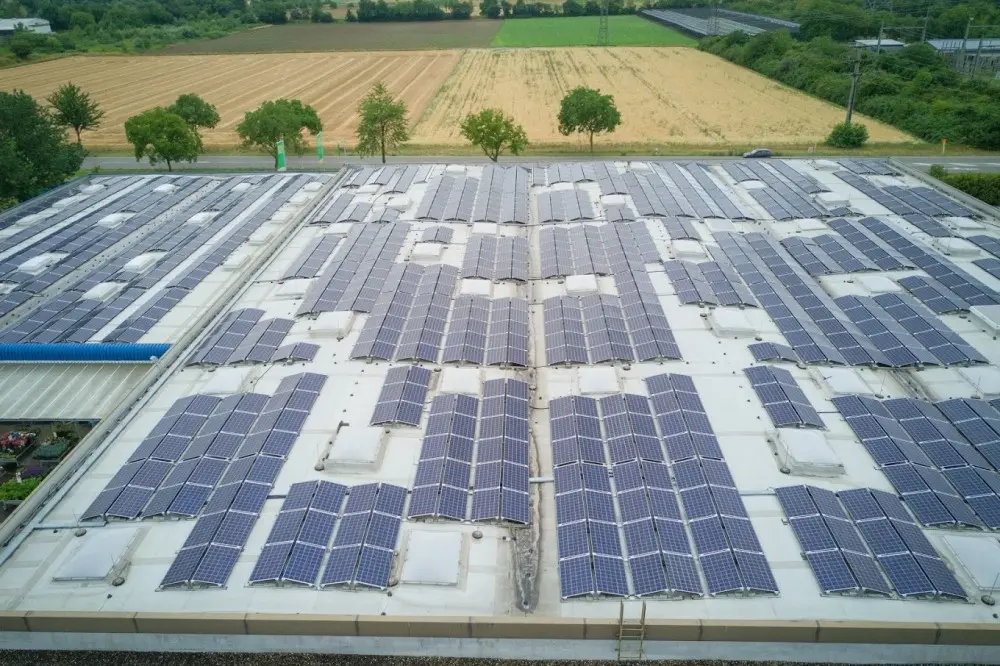
With an annual capacity of 10GW, our module lines leverage automated laser cutting, multi-busbar (MBB) soldering, and dual EL defect inspection to produce high-efficiency PERC, TOPCon, HJT, and BC modules rated from 400W to over 700W+.
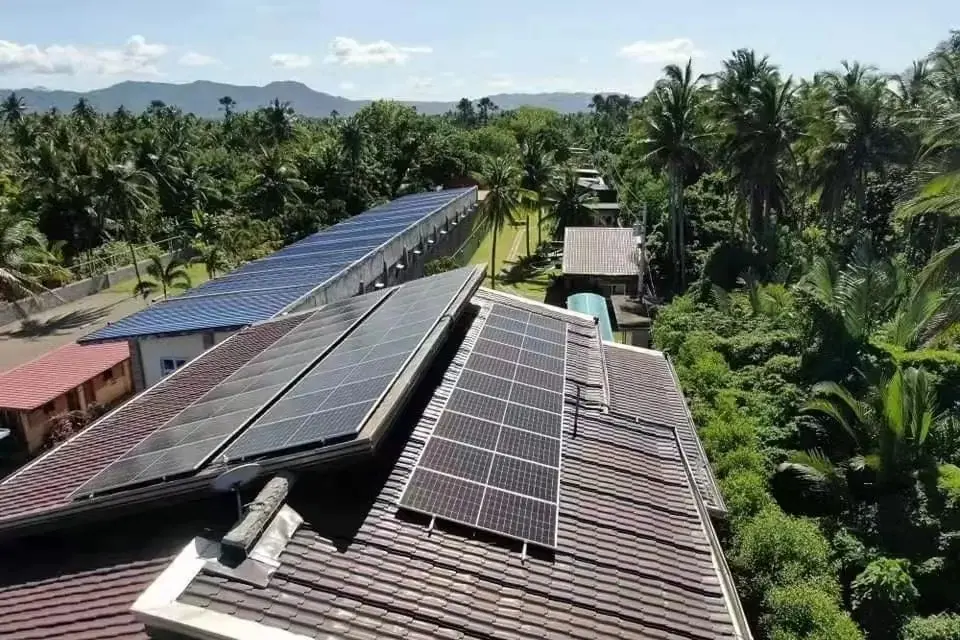
Engineered for extreme reliability, our inverter lines manufacture on-grid, off-grid, and hybrid single/three-phase models from 1kW to 110kW+. Integrated smart cloud monitoring platforms allow remote firmware updates and real-time diagnostics.
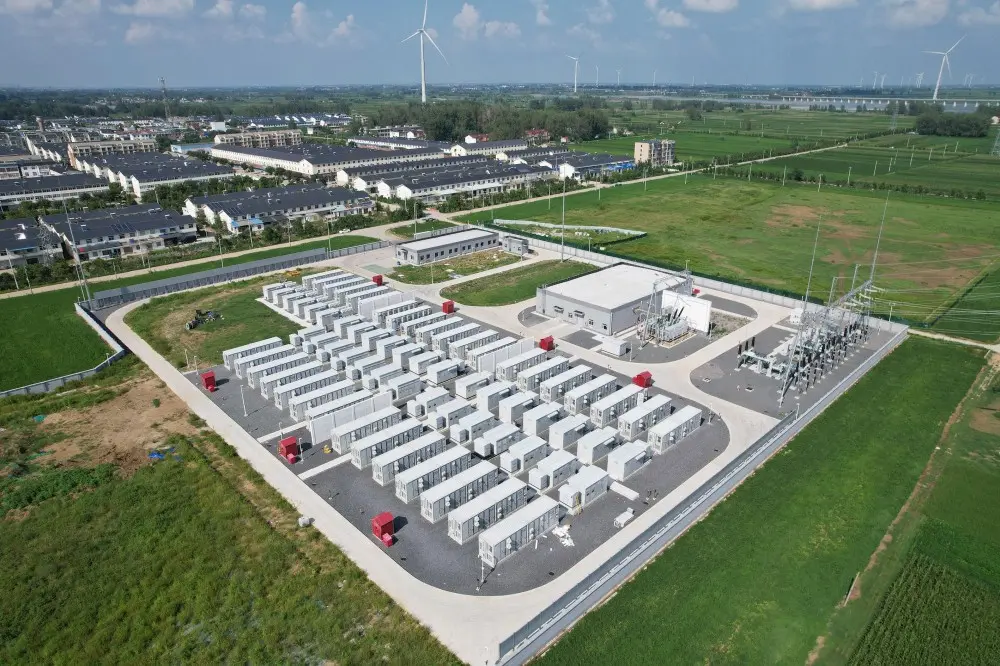
Leveraging 20+ years of electrical engineering expertise, our automated pack assembly lines utilize auto-sorting cell capacity matchers and thermal testing chambers to supply residential wall-mounts, rack batteries, and containerized energy storage units.
We collaborate with world-class component suppliers and energy distributors to build reliable solar energy ecosystems.












Safety and bankability are paramount when evaluating energy storage manufacturers. Our PV modules, inverters, and lithium battery packs undergo strict double-85 damp heat tests, mechanical load tests, short-circuit protection testing, and thermal runaway propagation analysis to ensure compliance with global standards.
LiFePO4 (Lithium Iron Phosphate) offers significantly higher thermal stability, non-combustible safety characteristics, and superior cycle life (6,000+ cycles at 80% Depth of Discharge) compared to Ternary NCM batteries. Additionally, LFP does not contain cobalt, making it more environmentally sustainable and cost-effective for stationary BESS installations.
Direct factory partnership eliminates distributor markups, grants direct access to customization (BMS protocol matching, customized enclosure color/branding), and leverages China's massive supply chain scale to secure Tier-1 Grade A cells at wholesale pricing, dramatically lowering the overall Levelized Cost of Storage (LCOS).
ATS and Bypass cabinets (like the PWD and ATS series) ensure continuous uninterrupted power supply. If grid failure occurs or an inverter undergoes routine maintenance, the bypass switch automatically re-routes power within milliseconds, ensuring critical commercial or industrial equipment remains fully operational.
Yes. Our hybrid inverters feature dedicated dry contacts and software protocols to control diesel generator auto-start signaling. When solar yield is low and battery voltage reaches a pre-set low SOC threshold, the inverter triggers the generator to charge the battery bank and supply load simultaneously.
We provide full customization spanning hardware design (rack-mount, wall-mount, stackable, containerized), BMS communication protocols (CANbus, RS485, Modbus RTU compatibility with Victron, SMA, Deye, Luxpower, etc.), custom logo branding, software UI localization, and regional certification compliance support.
 MH Energy