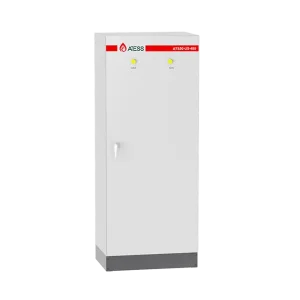
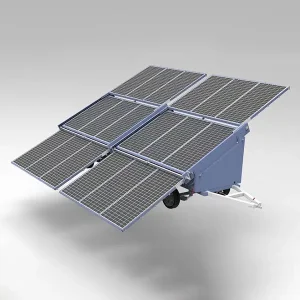
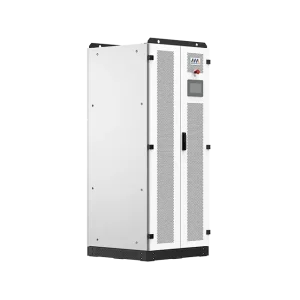
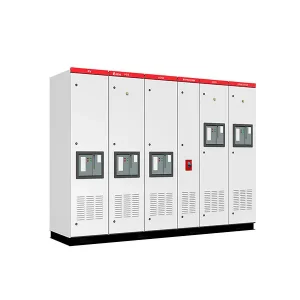
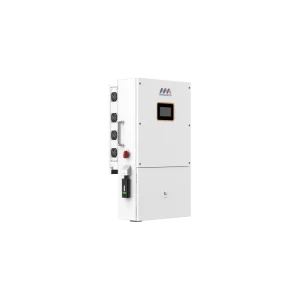
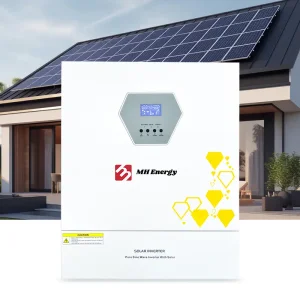
Discover our primary line of high-efficiency energy systems engineered for ultimate architectural integration and power resilience.
Building-integrated photovoltaics (BIPV) represent a paradigm shift in how we generate local green energy. Rather than adding conventional photovoltaic modules on top of existing structural frameworks, **solar panel tiles** serve as both the primary weather-barrier roofing material and the active power generation plant. By merging architectural aesthetics with clean energy production, solar shingles provide a viable pathway for high-density urban areas, commercial zones, and suburban residential developments to achieve net-zero building designations without altering historical design profiles.
As standard solar installations face localized spatial limitations and increasingly strict municipal aesthetic regulations, the demand for high-efficiency, customizable ODM (Original Design Manufacturer) solar tile solutions is accelerating globally. Developers, architects, and roofing suppliers are transitioning to solar tiles due to their dynamic integration capabilities, structural longevity, and competitive lifecycle economics. From a modern energy infrastructure standpoint, choosing an ODM supplier that bridges high-efficiency solar technology with robust architectural manufacturing is critical to project ROI.
Unlike standard rooftop panels, solar tiles are designed to resist mechanical stress, chemical weathering, and moisture ingress over decades. They carry equivalent ratings to standard ceramic or slate roof tiles, passing extreme testing protocols including fire rating certifications, high-velocity impact (hail), and extreme wind uplift forces, all while generating continuous clean electricity.
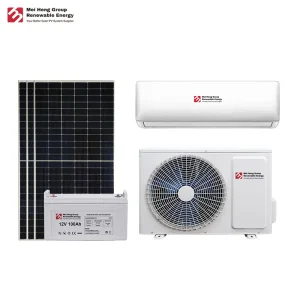
Tailored solar and energy solutions to cut costs and power your life and business.
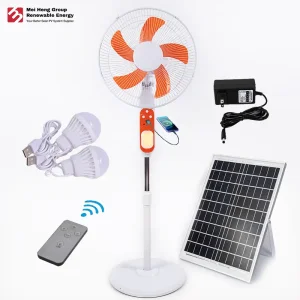
Robust self-sufficient systems for remote properties, industrial field sites, and reliable emergency backups.
Architecturally clean solar shingles and integrated energy storage options for modern eco-homes.
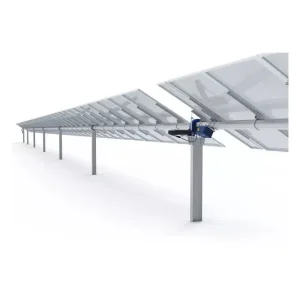
High-yield solar deployments reducing demand charge rates and optimizing long-term OPEX profiles.
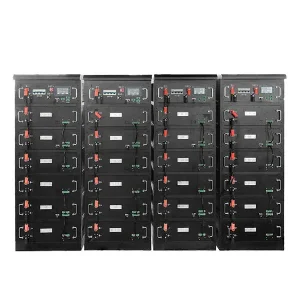
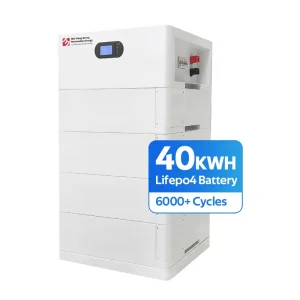
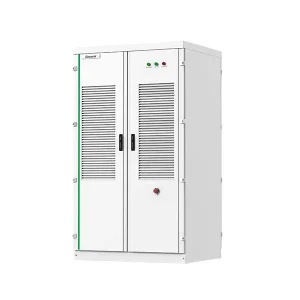
Smart lithium battery storage architectures designed to maximize self-consumption and peak-shaving.
Understanding the engineering matrix behind high-efficiency solar tiles and active building envelopes.
The core technology behind modern solar tiles relies on the integration of advanced photovoltaic materials inside standard roof tile geometries. The roadmap of these materials has moved from early polycrystalline designs to high-efficiency monocrystalline cell structures, specifically focusing on **n-type TOPCon (Tunnel Oxide Passivated Contact)**, **Heterojunction (HJT)**, and **Back Contact (BC)** layouts. These high-tier architectures enable the solar tile to operate with high conversion efficiency (often exceeding 21%), which is crucial given the fixed spatial constraints of building envelopes.
Furthermore, standard solar tiles utilize high-transparency, low-iron tempered glass with structural textures. This surface texture serves a dual purpose: it reduces visual glare to blend with adjacent non-active roofing tiles, and it traps light using internal reflection, boosting early-morning and late-afternoon power production. Below is an engineering overview of the developmental phases currently shaping the BIPV sector:
How distinct geographic and structural requirements define solar tile integration.
In regions throughout Europe and historic municipalities in North America, standard solar panels are prohibited due to visual preservation bylaws. Textured, non-reflective matte-black or terracotta-style ODM solar tiles integrate seamlessly, satisfying zoning laws while generating local renewable power.
Standard solar rack installations are susceptible to high wind shear forces. Integrated solar shingles act as interlocking building blocks directly secured to the roof structure. This drastically minimizes the wind profile, making them ideal for hurricane-prone tropical coastlines.
For modern commercial complexes targeting green building certifications (such as LEED or BREEAM), maximizing energy production per square meter is essential. Integrating active solar tiles across all structural roofing orientations converts dead space into productive micro-generating assets.
Leveraging vertically integrated ecosystems to ensure consistent quality, customization, and cost advantages.
The viability of large-scale BIPV projects relies heavily on supply chain stability. As a global manufacturing epicenter, the Chinese solar supply chain benefits from unprecedented vertical integration. From quartz refining and silicon ingot pulling to advanced module encapsulation and automated testing, every phase of production is optimized within localized industrial clusters. This reduces logistical overhead, buffers against global component shortages, and accelerates ODM product prototyping cycles.
Furthermore, Chinese manufacturing facilities implement automated optical inspections (AOI), dual-stage EL (electroluminescence) testing, and automated thermal chamber cycles to ensure zero micro-cracks or cell mismatches. This level of quality control guarantees that solar tiles, which are complex to replace compared to modular panels, last for their full 25-to-30-year operational life.
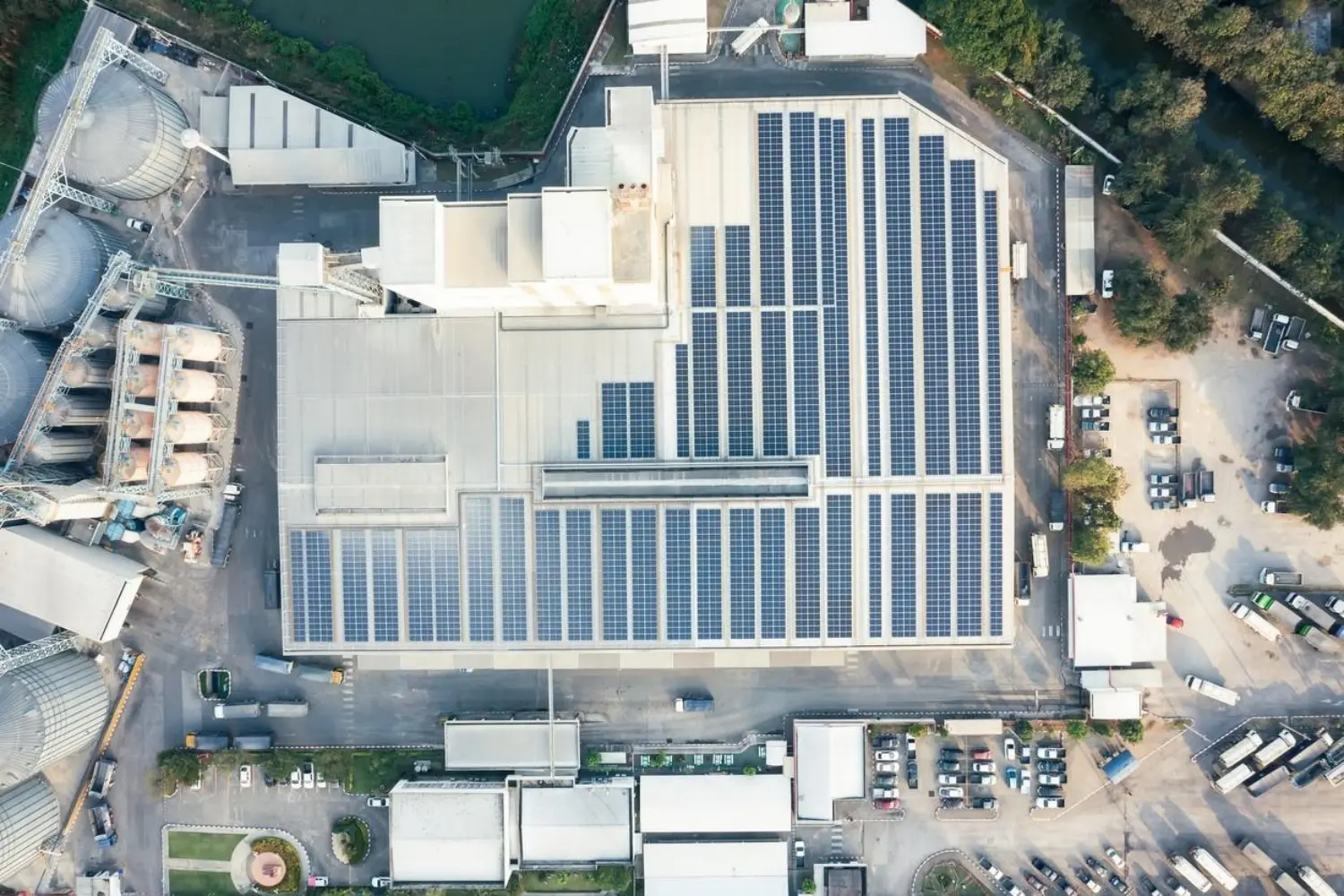
Empower your business, save operational costs.
We're fully immersed in the solar industry, integrating the entire solar and energy supply chain. Our commitment to reliable manufacturing makes us your trusted partner of choice.
At MH Solar Energy, we believe in creating solutions that lead to a sustainable future by working alongside the world's most trusted components manufacturers.


















Providing reliable engineering and components scale to global clients.
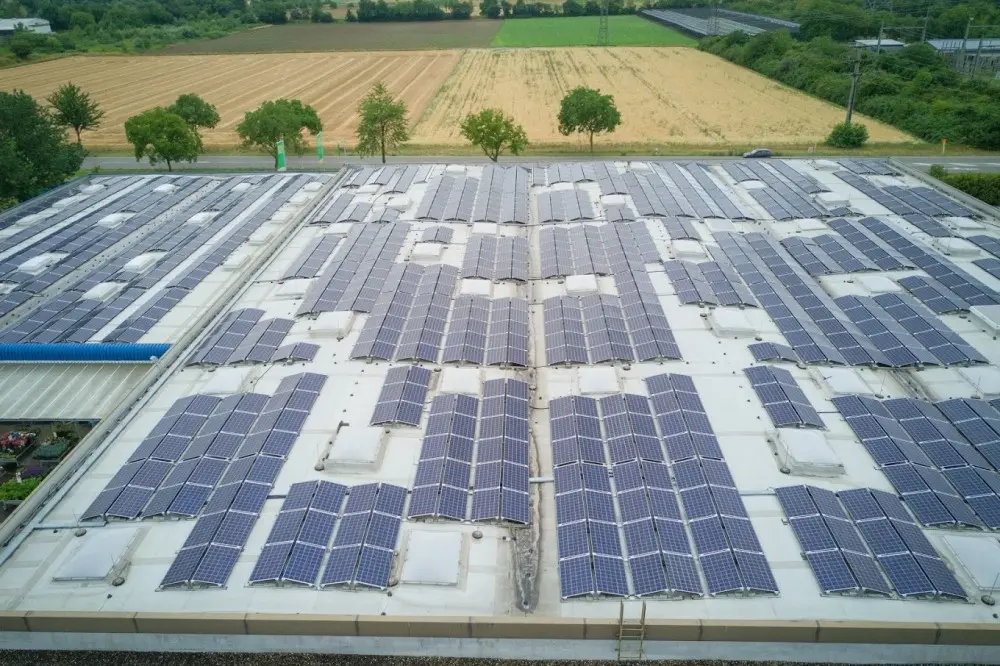
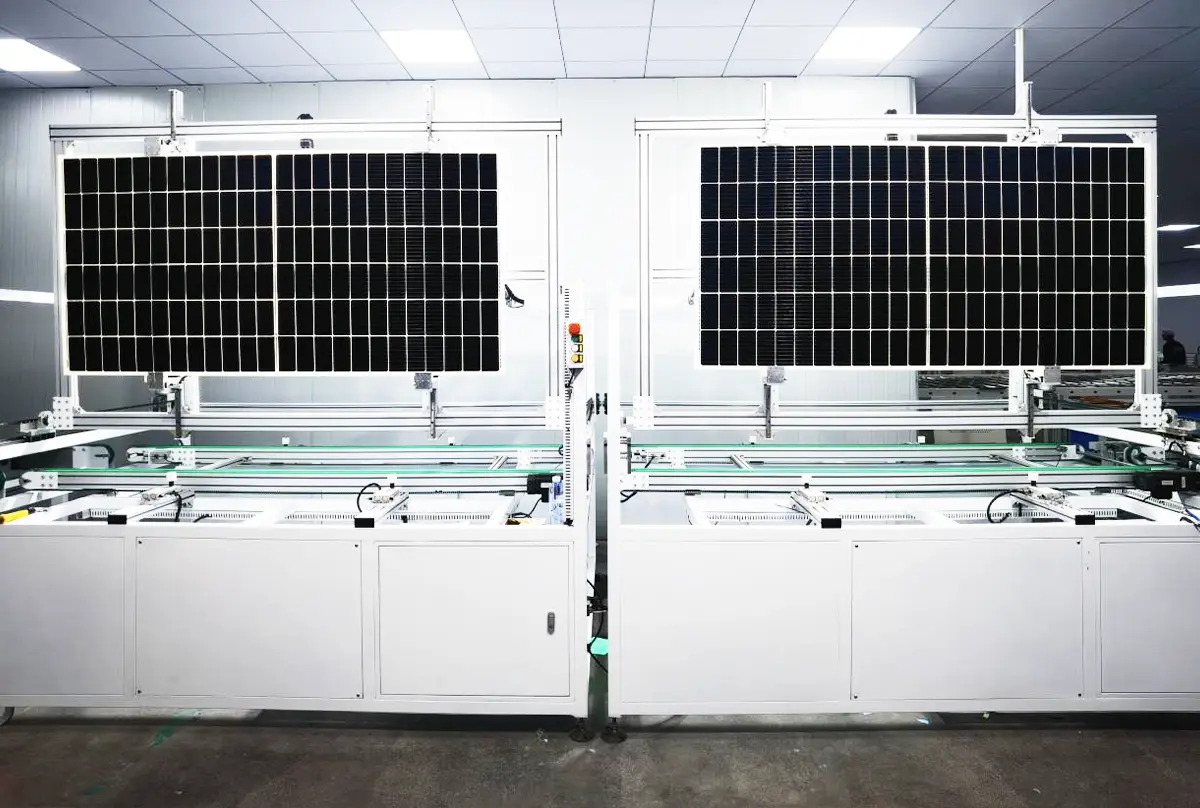
Our photovoltaic module factory, with a production capacity of 10GW per year, meets the growing demand for installations. Leveraging cutting-edge industry technologies, we lead in both PV module equipment and production. Rigorous manufacturing and testing processes ensure high-efficiency power generation, maximizing returns for our customers.
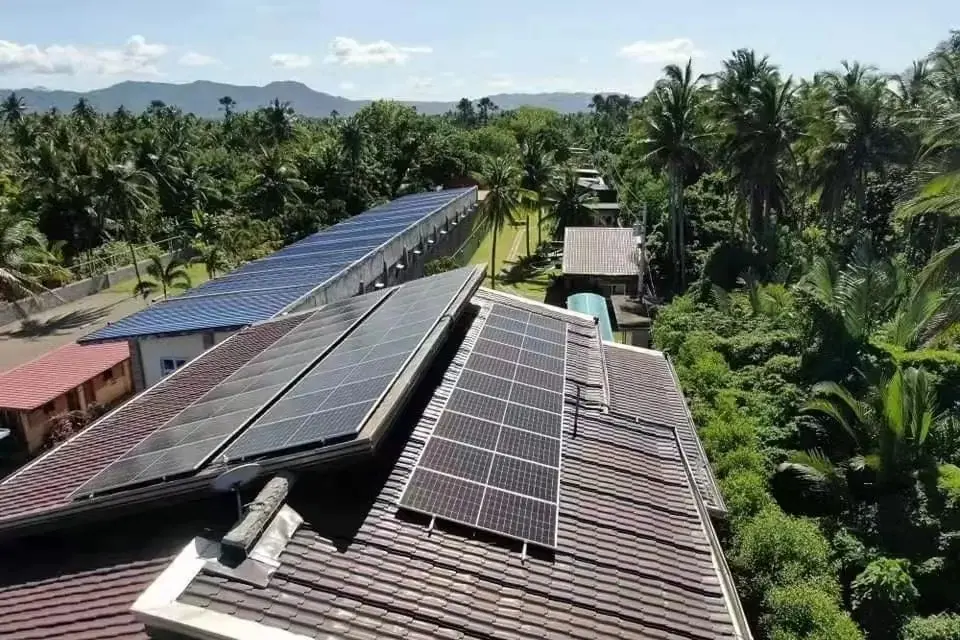
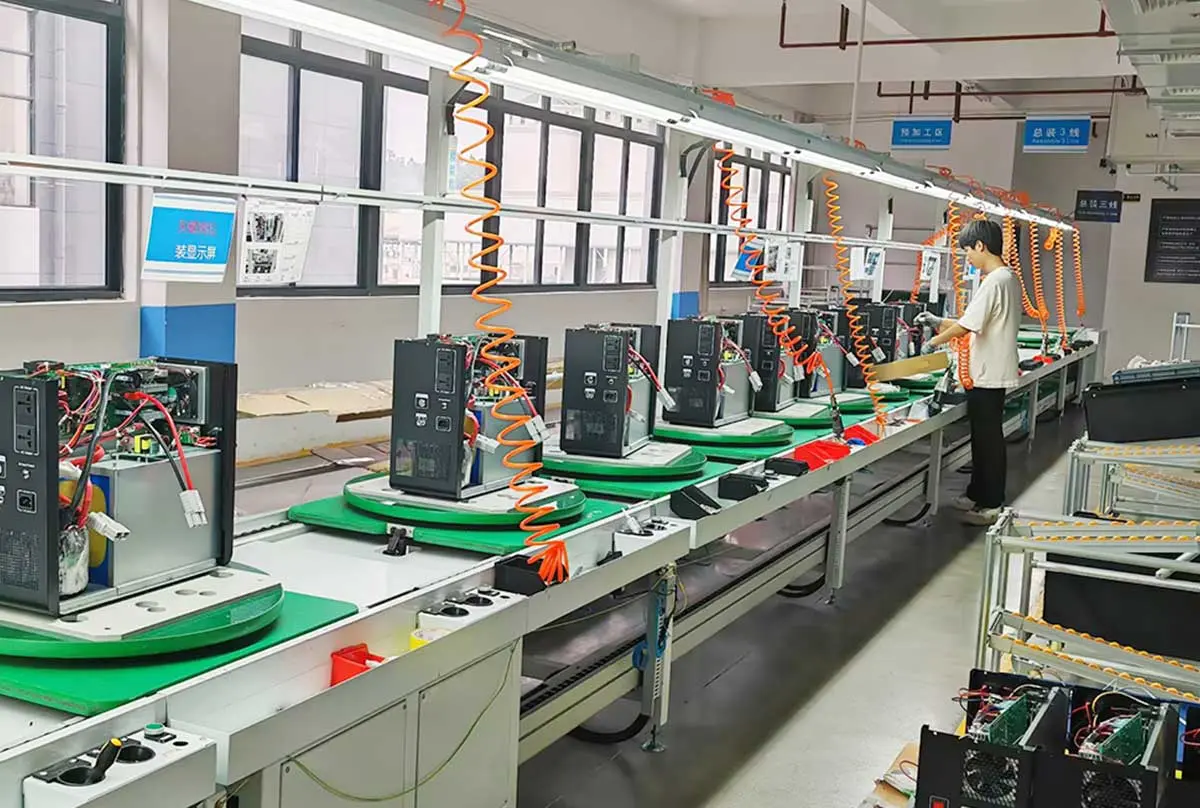
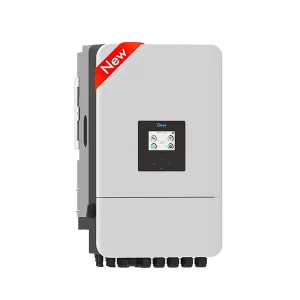
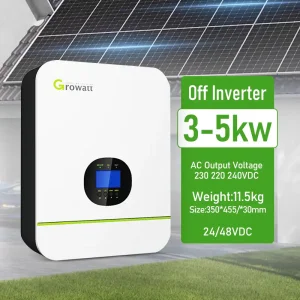
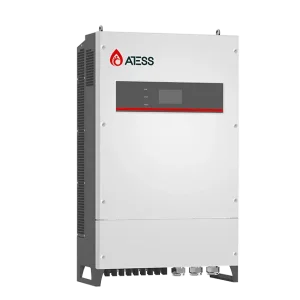
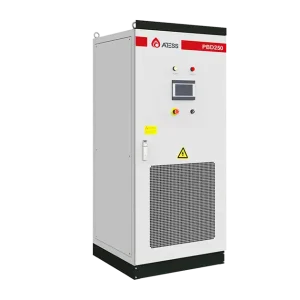
Our inverter factory provides a range of products compatible with various power levels, catering to diverse customer needs. From off-grid and hybrid systems to grid-tied systems, our inverters deliver efficient energy conversion. High compatibility ensures seamless integration with energy storage products.
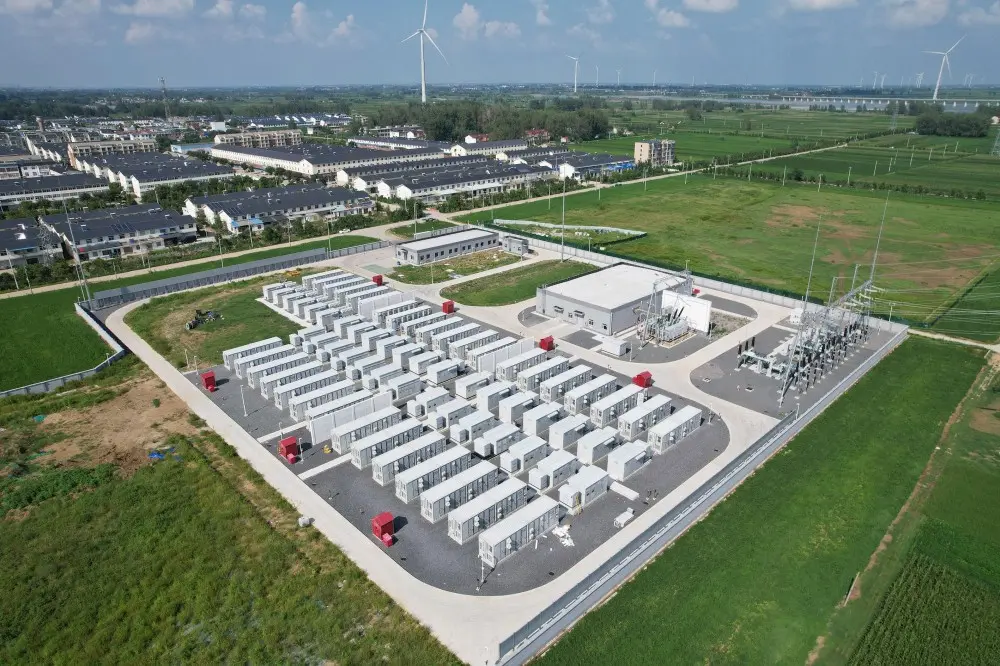
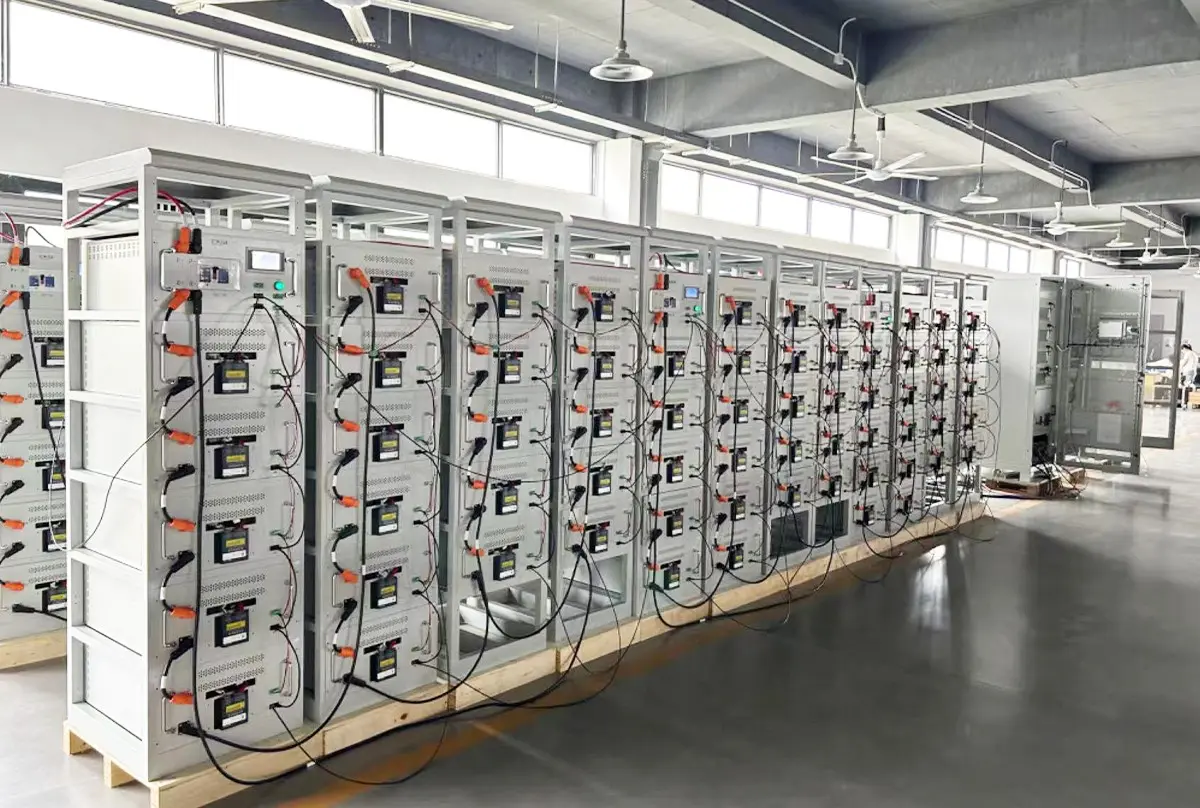
With over 20 years of expertise in the electrical industry, our industry-leading lithium battery factory boasts high-standard production lines and unique technologies to offer safe, reliable, and efficient battery solutions. From 10kWh home battery packs to 20ft and 40ft energy storage containers, our team of over 10 experienced engineers provides comprehensive system solutions, designs, and both online and on-site technical support.
We offer OEM and ODM services, not only tailored to specific project specifications but also designed to support your broader solar and energy business needs from structural drawings to dynamic electrical certifications.
Navigating complex international certifications to deliver secure investments.
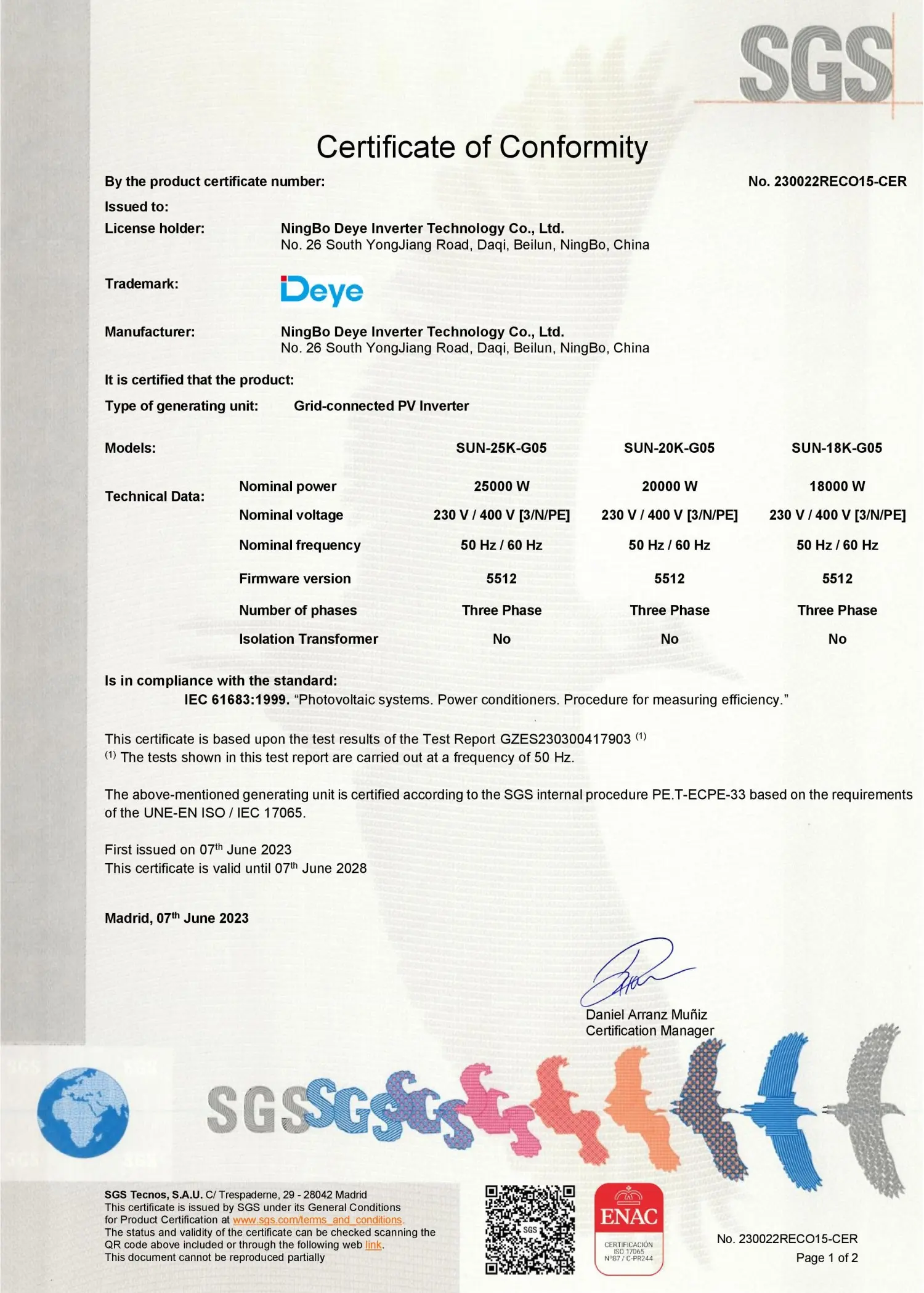
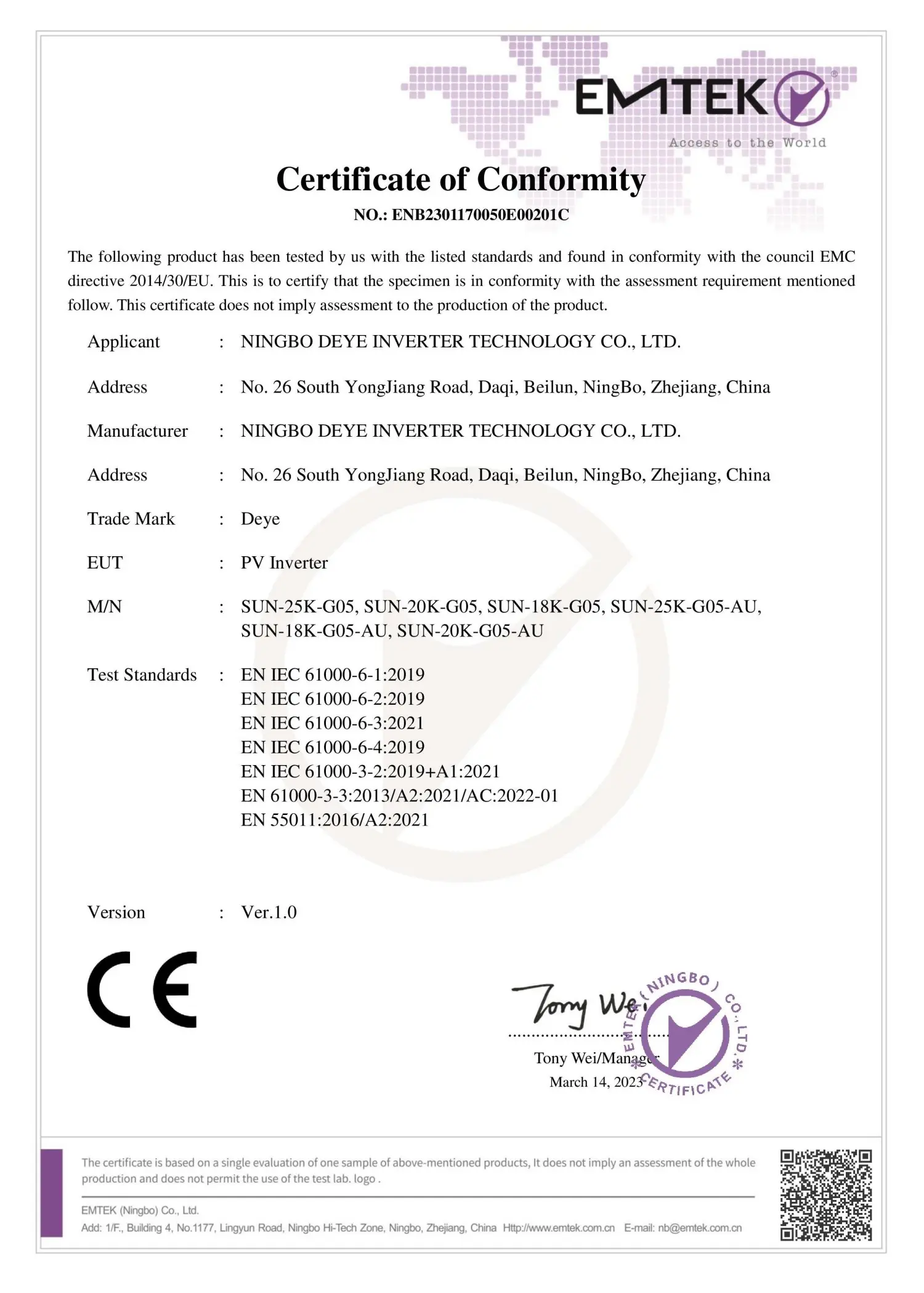
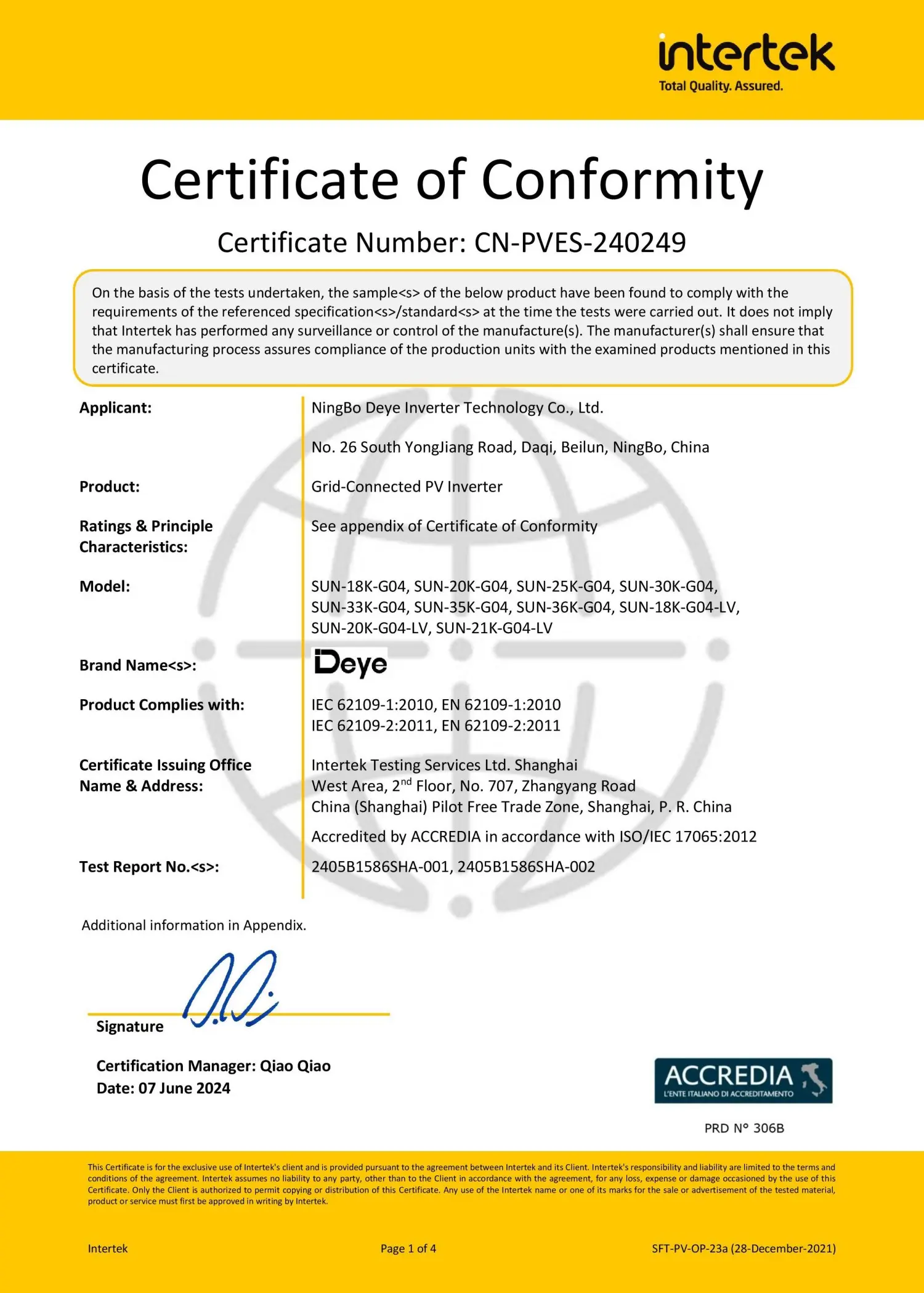
Deploying Building Integrated Photovoltaics globally requires compliance with strict building codes and grid standards. Solar tiles must act as a reliable barrier against natural elements while delivering clean, regulated power. Our product lines undergo rigorous testing, ensuring safety and efficiency certifications that meet strict global mandates (including TÜV, CE, UL, and MCS).
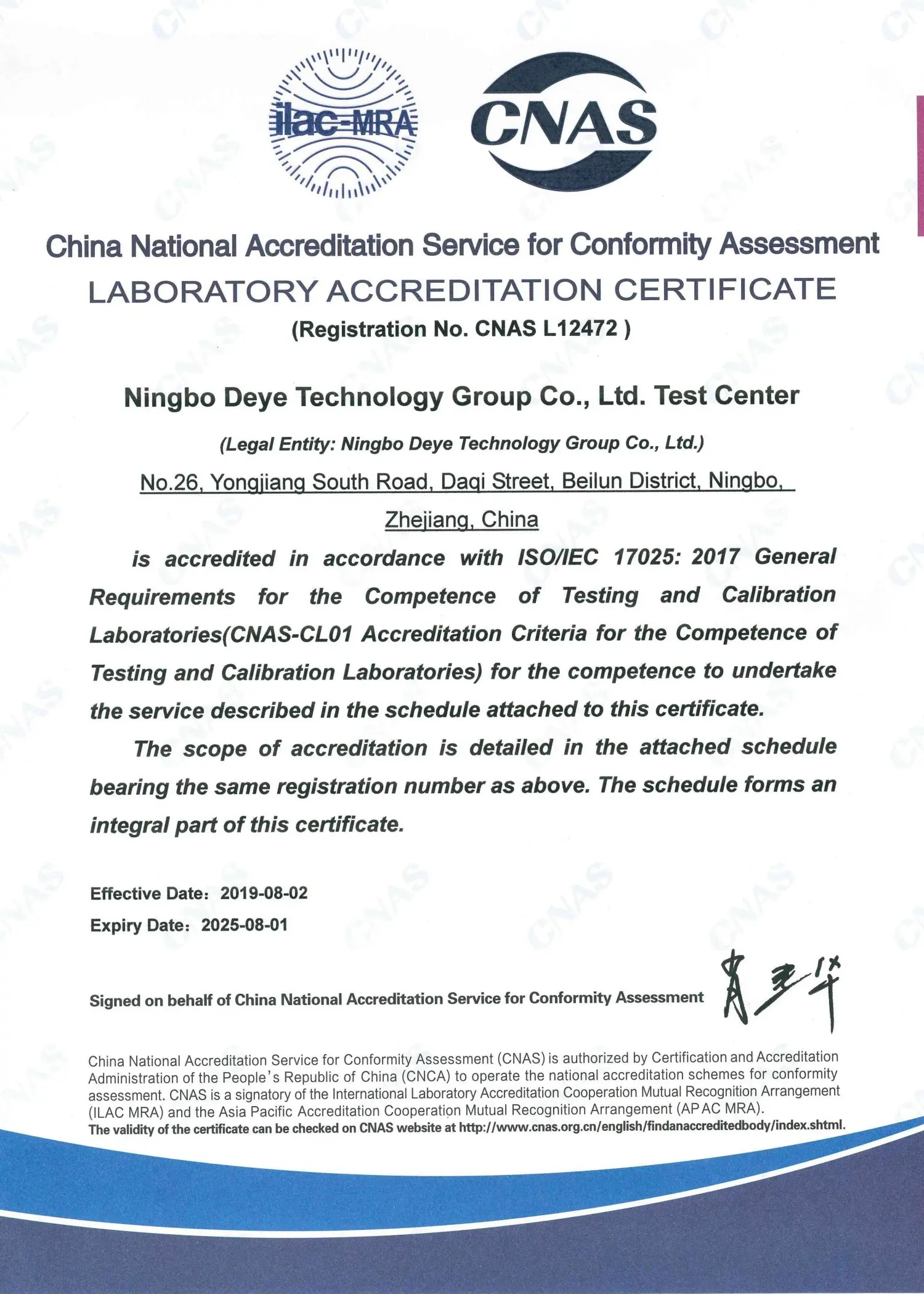

Technical and procurement inquiries regarding ODM solar panel tiles and integration.
Explore our high-performance component catalog, including hybrid inverters, solar trailers, and customizable bypass systems.
 MH Energy