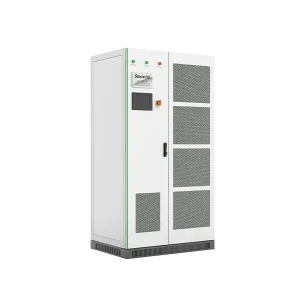
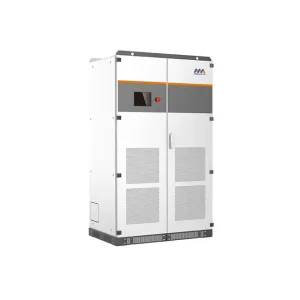
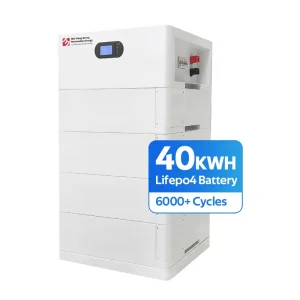
Engineered for high-altitude irradiance, unstable grid environments, and demanding industrial power factor requirements.
Kathmandu, situated at an altitude of 1,400 meters in the Kathmandu Valley, presents a unique solar energy paradigm. While Nepal has made significant strides in hydroelectricity generation, the Kathmandu urban area experiences acute seasonal power supply disparities, transmission bottle-necks, and localized power quality fluctuations during peak industrial demand periods.
Solar energy applications in Kathmandu are no longer merely alternative clean energy sources; they have evolved into critical power reliability assets for commercial facilities, industrial parks, healthcare infrastructures, and eco-hospitality sectors. High elevation coupled with clean atmospheric clarity yields exceptional solar irradiance levels averaging 5.1 to 5.5 kWh/m²/day, creating optimum conditions for high-yield photovoltaic generation.
Transitioning from legacy P-Type PERC architecture to N-Type TOPCon and HJT solar panel arrays coupled with automated Smart BMS Lithium Storage.
With cell efficiencies surpassing 25.5% and lower temperature coefficients (-0.30%/°C), N-Type panels optimized for Kathmandu maintain superior yield during peak UV conditions without thermal degradation.
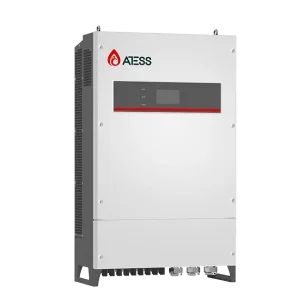
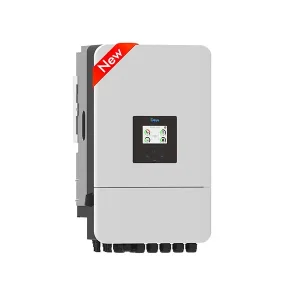
Integrating 3-phase hybrid inverters (30kW to 100kW) with high-voltage stackable LiFePO4 battery banks guarantees sub-10ms seamless switching during unexpected grid dropping in central Kathmandu.
Real-time internet connected monitoring modules enable plant operators in Lalitpur, Bhaktapur, and Kathmandu to track string-level generation, state of charge (SoC), and load distribution automatically.
Navigating the terrain of Nepal requires robust logistical planning and uncompromised equipment resilience. Our Industry 4.0 smart manufacturing plants in China feature fully automated stringing, double EL (Electroluminescence) testing, and automated optical inspections to eliminate micro-cracks before shipment.
Through established direct transport routes from factory floors through Key Logistics Hubs directly across the Rasuwagadhi-Kerung and Tatopani border crossings—as well as ocean-rail corridors via Kolkata—we deliver Tier-1 quality solar products to Kathmandu with optimized freight costs and shortened lead times.
Transparent benchmark pricing for B2B distributors, EPC contractors, and commercial enterprise buyers in Nepal.
| Equipment Classification | Technical Specification / Capacity | Estimated CIF Price (USD) | Kathmandu Delivered Range (NPR) | Ideal Application Scenario |
|---|---|---|---|---|
| N-Type TOPCon Solar Panel | 580W - 700W Monocrystalline Bi-facial | $0.11 - $0.14 / Watt | NPR 16 - 20 / Watt | C&I Rooftops, Balaju Industrial Area |
| Three-Phase Hybrid Inverter | 30kW - 50kW (HPS Series) MPPT Integrated | $2,200 - $3,800 / Unit | NPR 295,000 - 510,000 | Manufacturing Plants, Hotels, Commercial Buildings |
| Lithium Battery Stack (LiFePO4) | 10.24kWh - 20.48kWh High-Voltage Rack | $140 - $185 / kWh | NPR 19,000 - 25,000 / kWh | Residential Off-Grid & Commercial Backup |
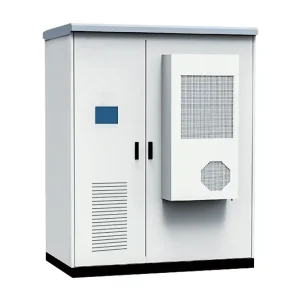
| C&I Energy Storage Cabinet | 100kW / 215kWh Air-Cooled Outdoor System | $24,000 - $32,000 / Unit | NPR 3,200,000 - 4,300,000 | Hospitality Complexes, Hospitals, Data Centers |
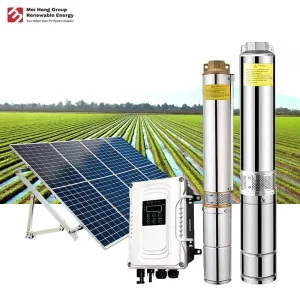
| Solar Water Pumping System | 5.5kW - 15kW Deep Well Submersible System | $1,200 - $2,900 / Package | NPR 160,000 - 390,000 | Suburban Agriculture, Resort Water Supply |
* Note: Prices are indicative FOB/CIF estimates subject to volume tiering, exchange rates, and import tariffs regulated by Nepal Electricity Authority (NEA) and Nepal Department of Customs.
Textile, plastic molding, and food processing facilities face substantial economic loss during power grid trips. Implementing roof-mounted PV systems paired with grid-tied HPS series three-phase hybrid inverters peak-shaves utility charges while securing non-stop operation.
Hotels and luxury boutique resorts require clean, silent continuous energy. Replacing noisy, expensive diesel generators with modular air-cooled lithium storage cabinets lowers operational costs while upgrading environmental credentials for global travelers.
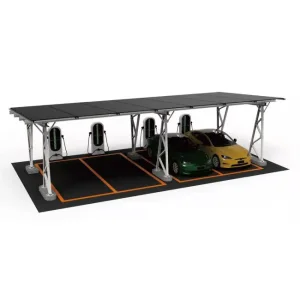
Educational institutions, private hospitals, and government office buildings utilize photovoltaic solar carports to generate zero-emission electricity while offering dynamic shade and electric vehicle charging infrastructure in high-density urban areas.
Empower your business, save costs, and secure energy independence with integrated factory production lines.
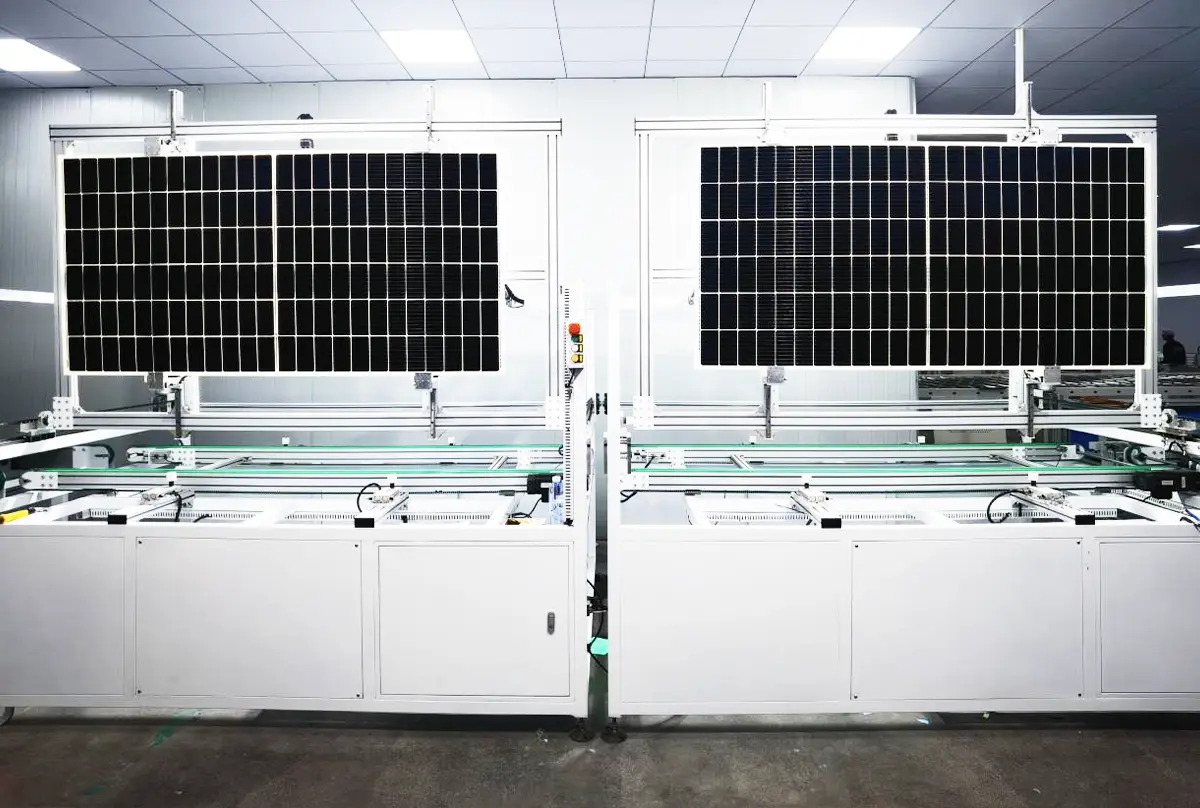
Full range capacity up to 10GW/year. TOPCon, HJT, P-Type, Mono, Bi-facial, standard & customized sizes ranging from 400W to 700W+.
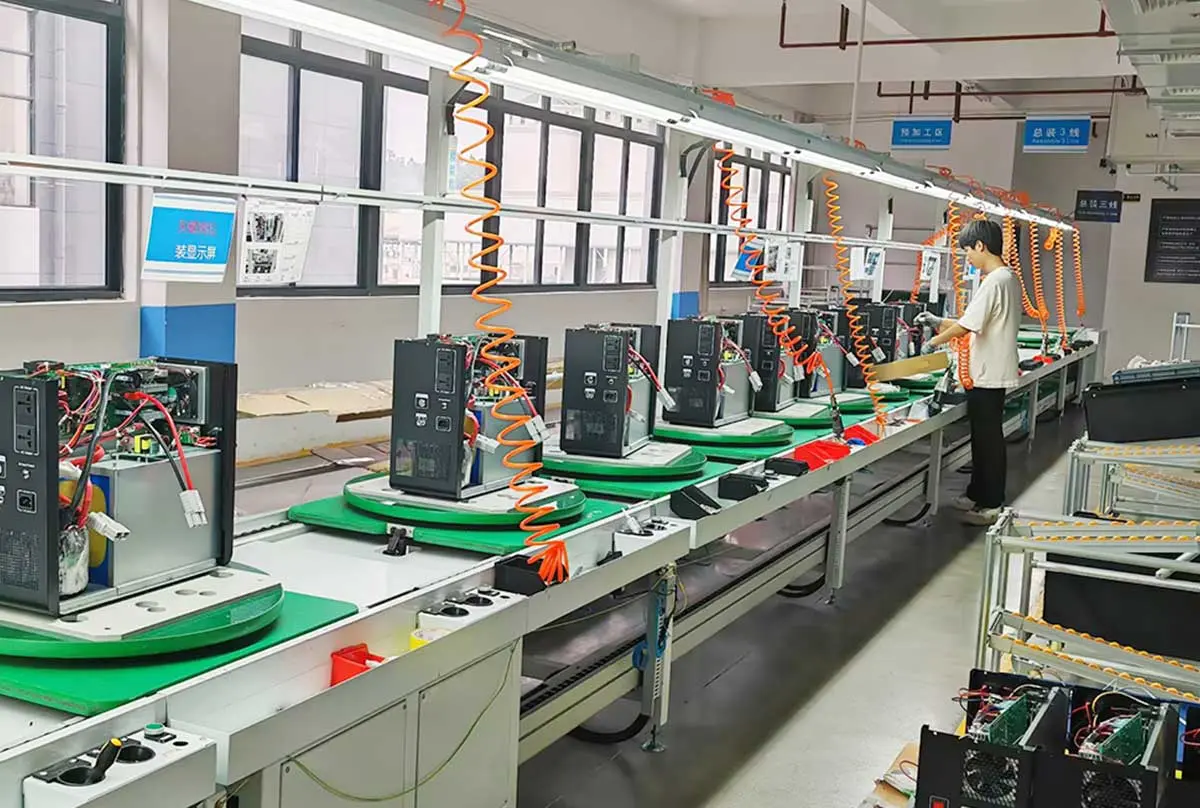
Single-phase and three-phase Solar PV, Hybrid, and Off-grid inverters from 1KW to 110KW featuring integrated smart monitoring systems.
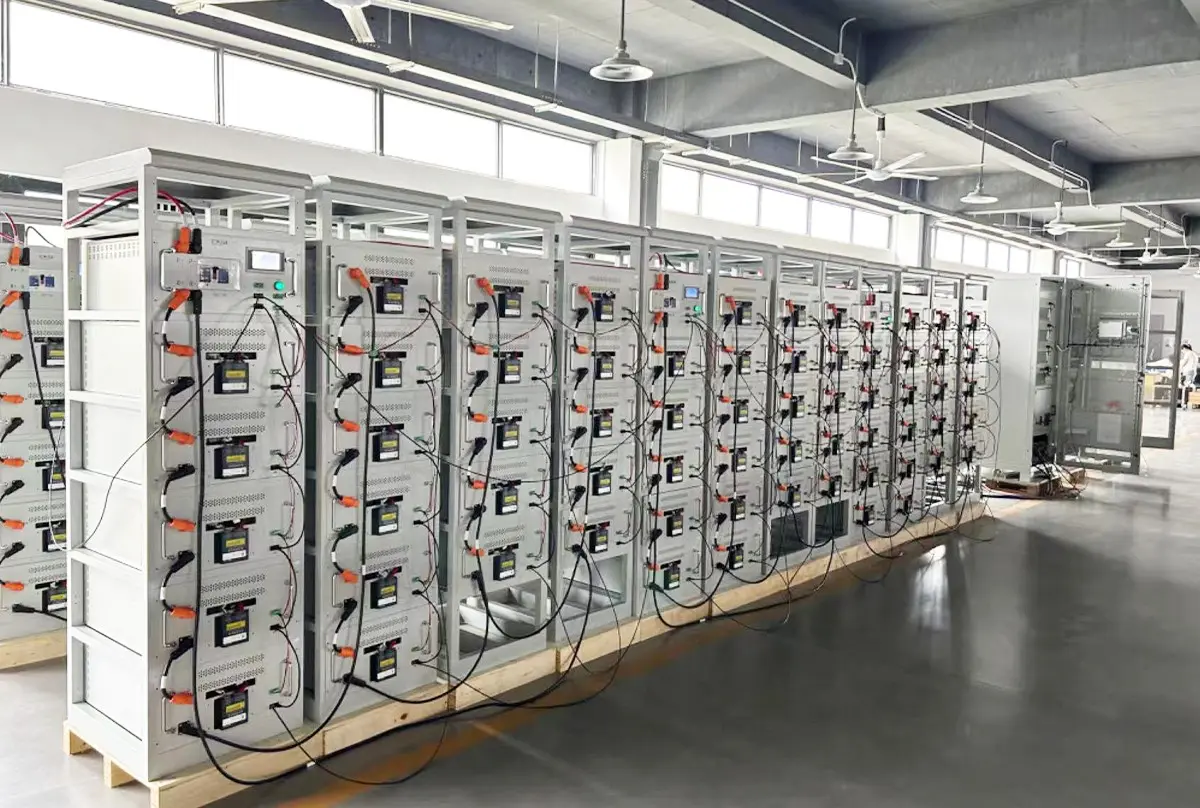
Specializing in LiFePO4 systems for residential and utility-scale projects, with 20ft and 40ft modular storage containers.












Explore our complete OEM/ODM product lineup manufactured under international quality standards.
In-depth technical and financial guidance for engineers, procurement directors, and business operators in Nepal.
Kathmandu sits at an altitude of approximately 1,400 meters above sea level. Higher altitudes experience less atmospheric filtering of solar radiation, resulting in higher peak solar irradiance and stronger UV exposure. While increased irradiance boosts peak generation, extreme UV can accelerate PID (Potential Induced Degradation) in inferior panels. Our N-Type TOPCon modules incorporate anti-PID POE encapsulation technology specifically formulated to withstand high-altitude UV stress while maintaining high generation yields over a 30-year operational lifetime.
For commercial and industrial enterprises in Kathmandu paying commercial NEA utility rates combined with expensive diesel backup generation costs (often exceeding NPR 35-45 per kWh equivalent), a grid-tied hybrid solar system yields a typical payback period of 3.0 to 3.8 years. Accounting for a 25-to-30 year equipment lifespan, the system yields over two decades of virtually free, reliable electricity.
LiFePO4 (Lithium Iron Phosphate) offers over 6,000 deep discharge cycles at 80% DoD compared to less than 1,200 cycles for premium tubular lead-acid batteries. LiFePO4 chemistry provides superior thermal stability, zero maintenance requirements, 95%+ round-trip efficiency (versus 75% in lead-acid), and significantly lighter footprint per kWh—making shipping across mountainous Himalayan corridors far more economical.
By integrating direct freight routing from our advanced manufacturing bases through overland customs ports (Kerung/Tatopani) and multimodal sea-rail corridors via Kolkata, we eliminate unnecessary distributor markups and reduce transit timelines to Kathmandu to just 14-21 days post-production.
Contact our senior photovoltaic engineers today to receive customized system designs, local feasibility analysis, and factory-direct pricelists tailored to your project scope.
Send Inquiry Now MH Energy