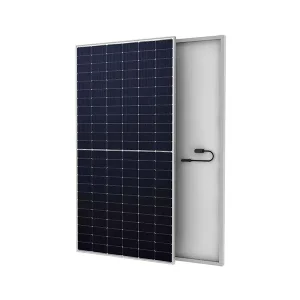
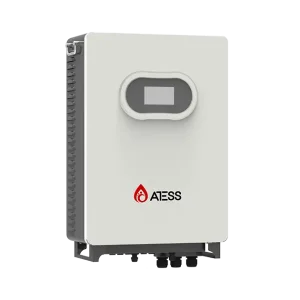
Engineered for high-albedo bifacial yields, ultra-low temperature coefficients, and localized Canberra Clean Energy Council (CEC) approvals.
Tailored solar and energy solutions to cut costs and power your life and business in Canberra and globally.
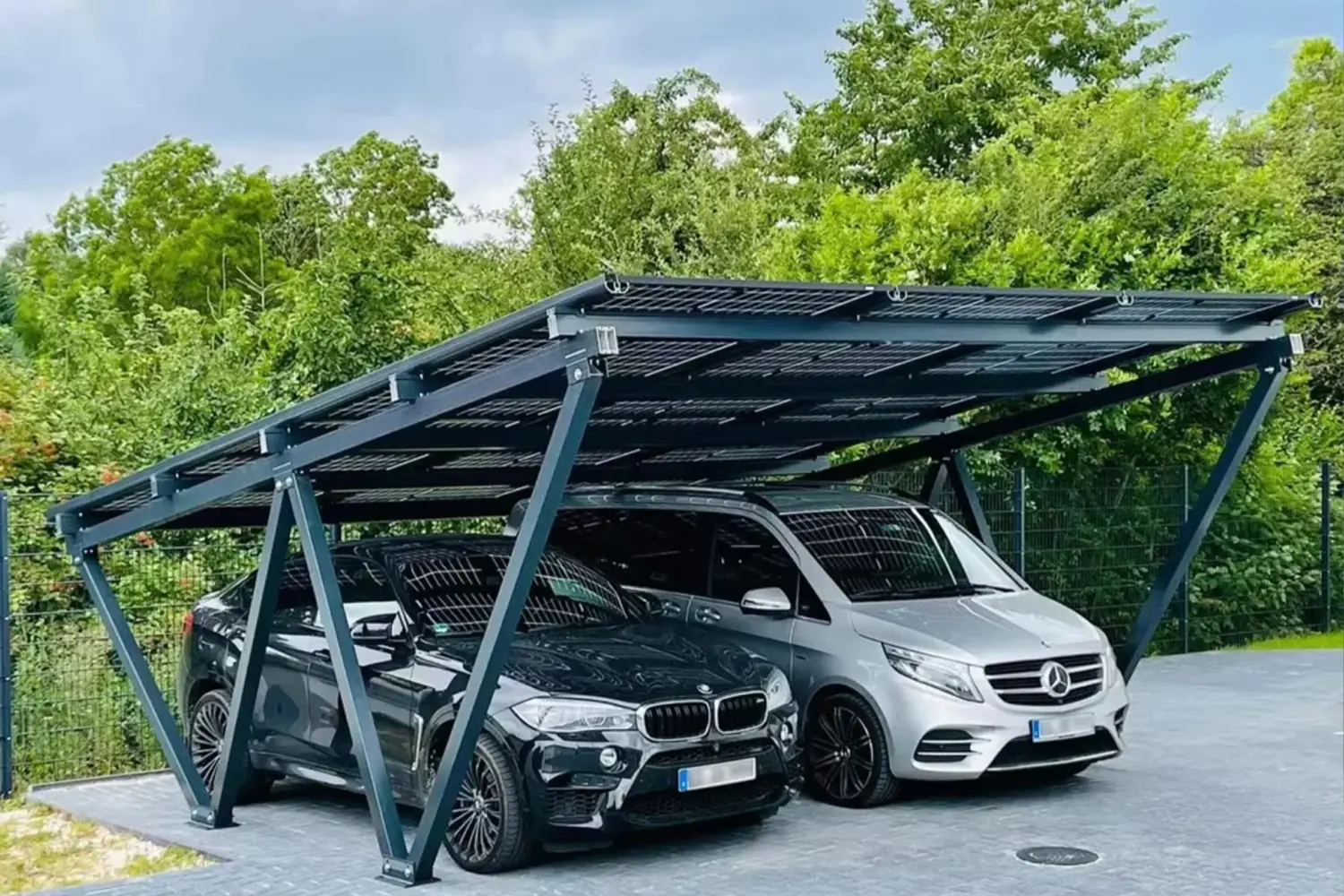
Maximizing rooftop generation footprint while ensuring peak-hour grid stabilization. Leveraging smart hybrid inverter topologies to enable Virtual Power Plant (VPP) integration within Canberra's active residential microgrids.
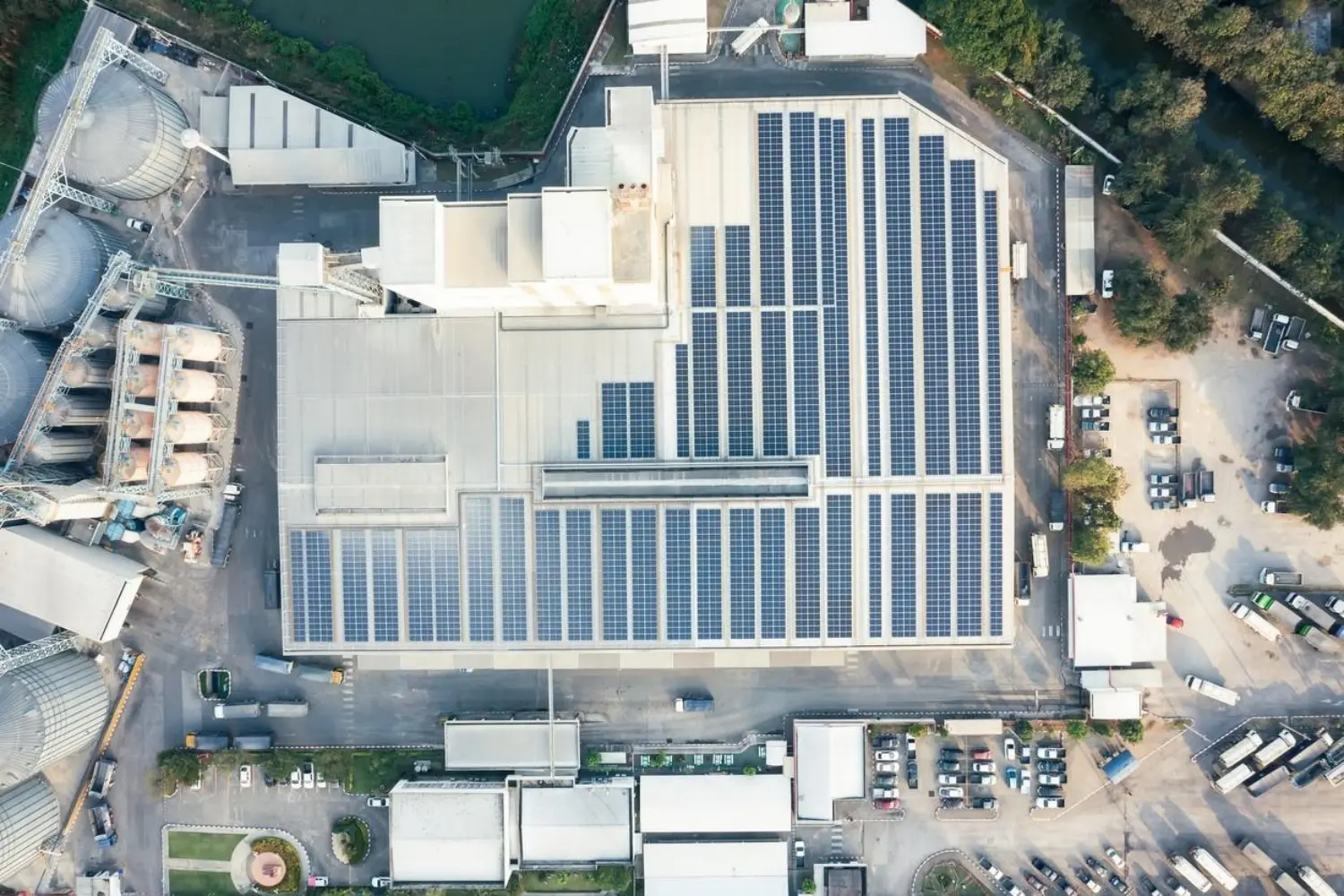
Empower your business and offset rising commercial electricity tariffs. Excessive electricity costs challenge manufacturing enterprises and commercial structures in Fyshwick, Mitchell, and Hume, which require high baseload consumption. Addressing this involves ensuring daily operational electricity needs are met with solar PV modules and high-capacity storage. Integrating solar panels on factory roofs and configuring liquid-cooled BESS containers efficiently meets peak demands, promoting substantial cost savings and long-term sustainable development.
The Australian Capital Territory (ACT) stands at the forefront of the global energy transition, having successfully matched its electricity demand with 100% renewable energy generation. However, achieving net-zero emissions across all sectors requires an aggressive expansion of decentralized local solar energy. In the Canberra market, this translates to high-intensity deployment of Commercial and Industrial (C&I) solar infrastructure.
Canberra's unique geographical positioning—situated at an elevation of approximately 580 meters within the Tablelands region—creates a specific meteorological profile that presents both advantages and engineering challenges for photovoltaic materials. The region experiences dry, high-radiation summers with ambient temperatures frequently exceeding 38°C, alongside frosty, freezing winter nights where temperatures drop below -5°C. These extreme thermal oscillations place severe stress on PV modules, accelerating material fatigue and increasing the risk of thermal cycling failures.
Furthermore, the ACT is prone to severe, high-velocity hail storms. The historic storms of 2020 demonstrated that legacy solar panels could not withstand the mechanical impact of large-diameter ice blocks. Consequently, Tier-1 manufacturing facilities supplying the Canberra market must utilize tempered front glass with enhanced impact resistance, alongside reinforced anodized aluminum frames rated for high mechanical load capacities (up to 5400 Pa front-side pressure and 2400 Pa rear-side wind load). By using Grade A N-Type TOPCon technologies with robust structural encapsulation, project developers can safeguard their capital investments against the region's intense weather events.
Deploying solar power within the ACT requires deep knowledge of local architectural and regulatory requirements. We cater to several highly distinct local scenarios:
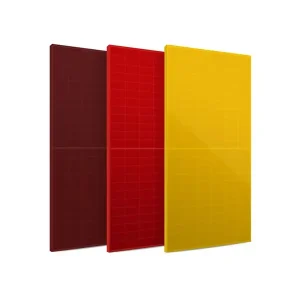
As the political heart of Australia, Canberra hosts a vast array of federal and territorial government installations. These properties operate under strict environmental sustainability guidelines. To integrate PV arrays on heritage-listed assets or modern administrative complexes, solar modules must combine visual elegance with high power density. Custom multi-color monofacial and full-black modules solve aesthetic constraints while meeting performance expectations, allowing public infrastructure to reduce carbon footprints without compromising architectural integrity.
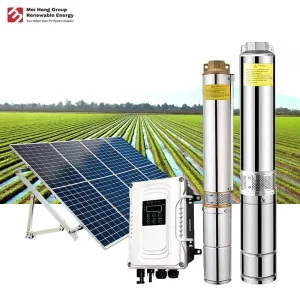
The surrounding Capital Region, including Yass, Queanbeyan, and the Murrumbateman wine district, features extensive farming and grazing operations. Water scarcity and land preservation are critical priorities. Deploying bifacial solar modules over crops or grazing pastures creates a microclimatic buffer, reducing soil evaporation rates while producing electricity. Furthermore, integrating smart solar pump management systems ensures automated, grid-independent irrigation, boosting agricultural resilience against prolonged drought cycles.
Canberra's greenfield suburbs, such as Denman Prospect, are increasingly planned as local microgrids. To ensure uninterrupted electricity and maximize self-consumption, these developments pair rooftop PV systems with modular low-voltage lithium battery stacks. By linking these assets into a Virtual Power Plant (VPP), local energy managers can export power during grid instability, creating new revenue streams for residents and enhancing grid reliability across the ACT.
We are fully immersed in the solar industry, integrating the entire solar and energy supply chain. Our commitment to reliable manufacturing makes us your trusted supplier of choice.
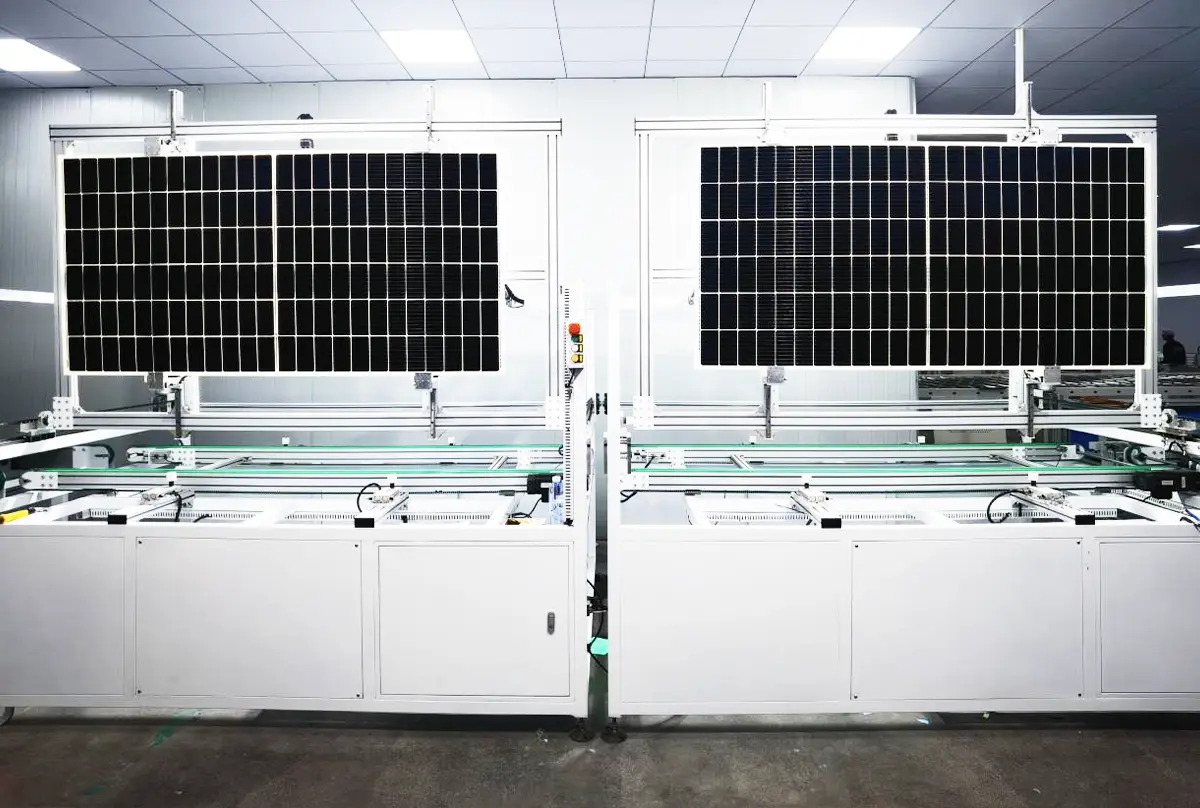
Full range type and capacity of PV modules. N-type, TOPCon, P-type, HJT, BC. Mono, Bi-facial. Standard and customized sizes ranging from 400W to 700W+.
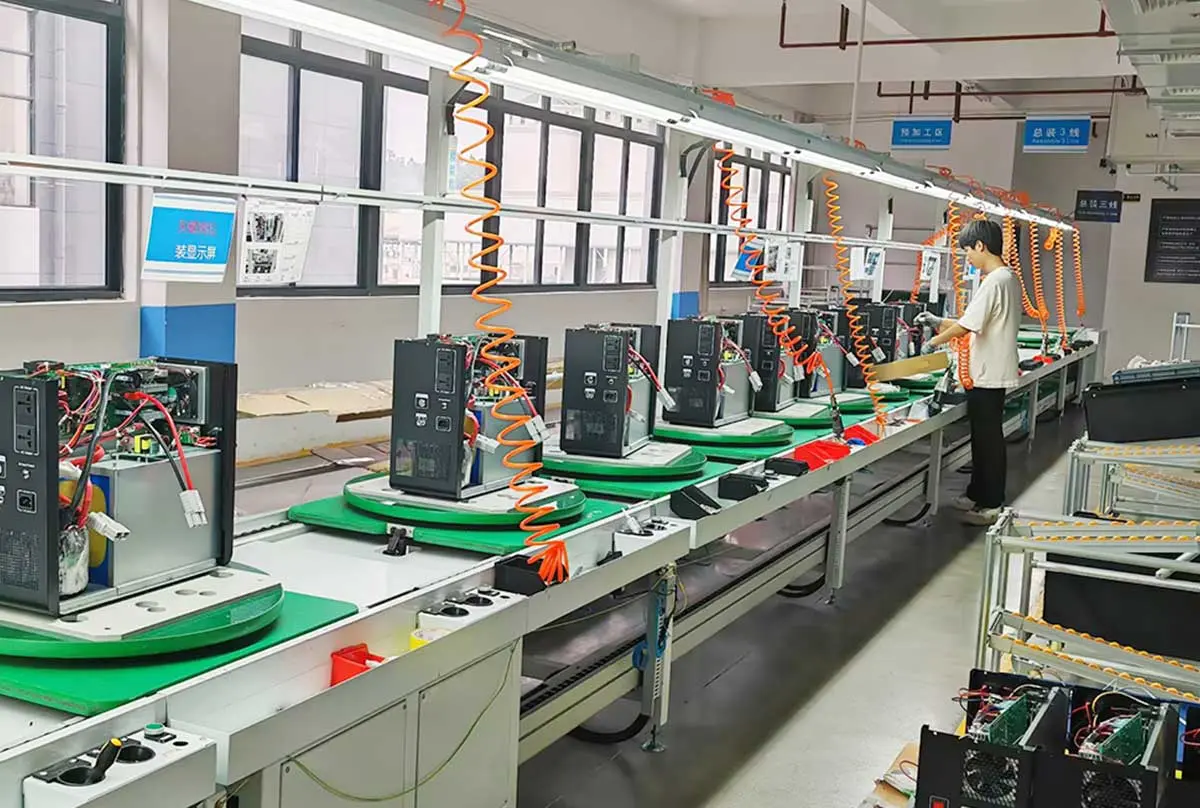
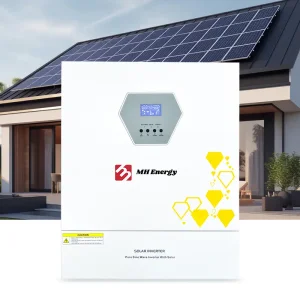
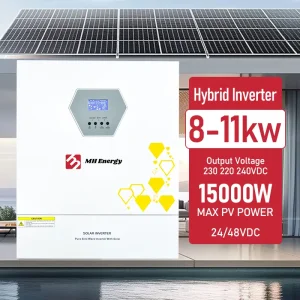
High-efficiency single-phase and three-phase Solar PV, Hybrid, and Off-grid inverters from 1kW to 110kW. All units feature integrated smart monitoring.
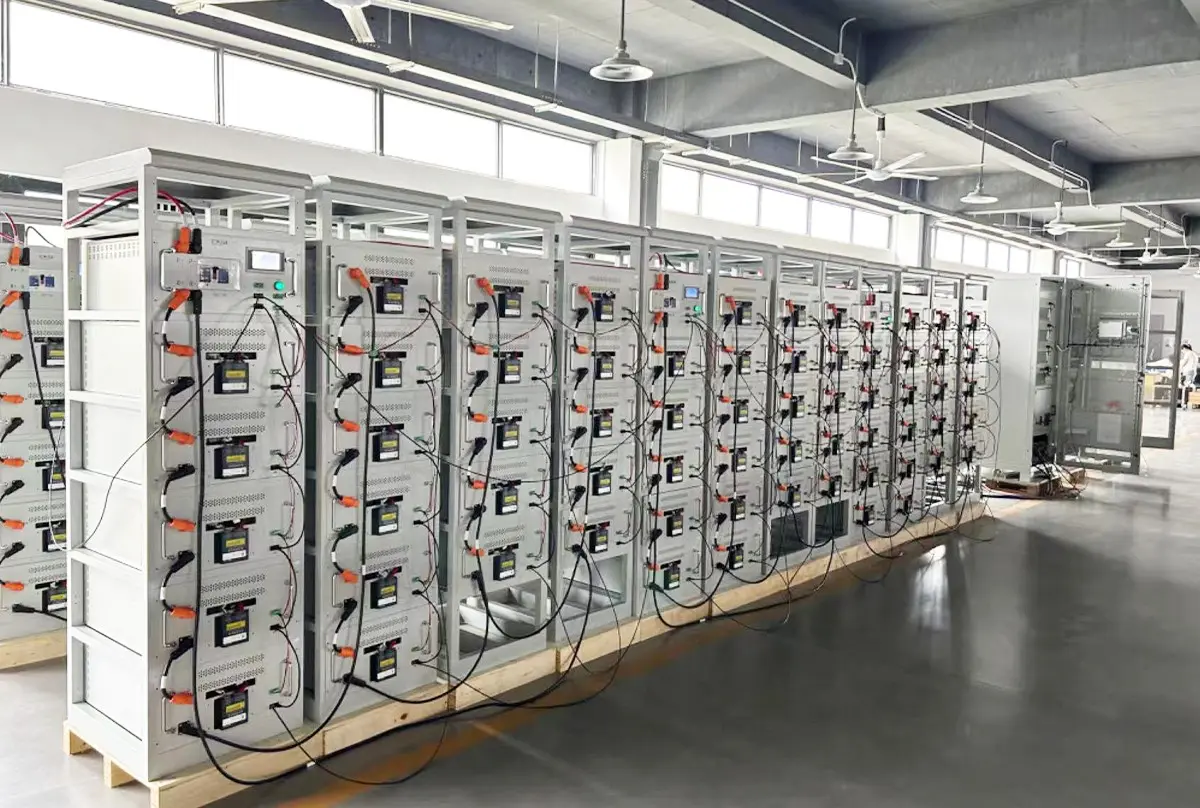
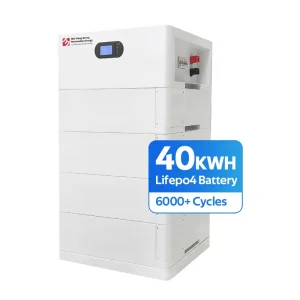
Specializing in lithium battery energy storage for residential and large-scale applications, alongside EPC integration and custom system assembly.
The solar industry has shifted from legacy p-type PERC cells to high-performance n-type structures. At the center of this transition is Tunnel Oxide Passivated Contact (TOPCon) technology. By integrating an ultra-thin silicon oxide tunnel layer with heavily doped polycrystalline silicon, TOPCon minimizes charge carrier recombination at the contacts, raising theoretical cell efficiency limits past 28.7%.
For the Canberra market, the adoption of N-Type TOPCon translates directly into real-world performance benefits:
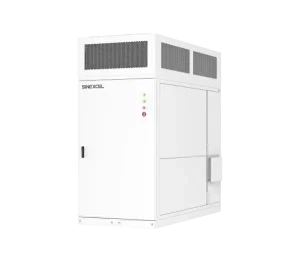
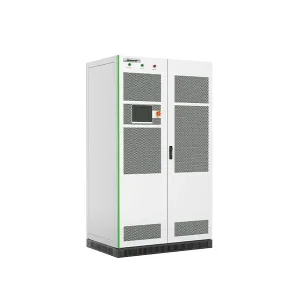
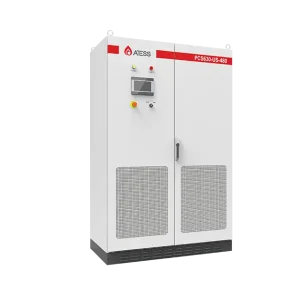
Looking ahead, the roadmap points to the commercialization of Perovskite-Silicon tandem modules, promising panel efficiencies above 30%. In parallel, the deployment of modular, liquid-cooled Power Conversion System (PCS) cabinets and high-capacity battery stacks ensures that solar energy can be stored and fed into the grid reliably, providing baseline stability and lowering levelized costs of energy (LCOE).
Connect with our engineering specialists to obtain tailored system schematics, Clean Energy Council (CEC) documentation, and customized wholesale pricing quotes.
Send Inquiry NowThe stability of any large-scale solar deployment depends on supply chain reliability. China's vertically integrated solar manufacturing ecosystem provides unparalleled advantages in volume, quality, and technical precision. By locating ingot pulling, wafer slicing, cell diffusion, and module assembly steps in close proximity, Tier-1 factories minimize transit risks and accelerate production cycles.
This integration also enables meticulous quality control. Every wafer is scanned using photoluminescence imaging to identify micro-cracks before cell processing, and finished modules undergo double EL (electroluminescence) testing to guarantee they leave the facility free of structural defects. This robust manufacturing framework ensures consistent delivery of high-efficiency solar modules to meet Canberra's rising C&I demands.
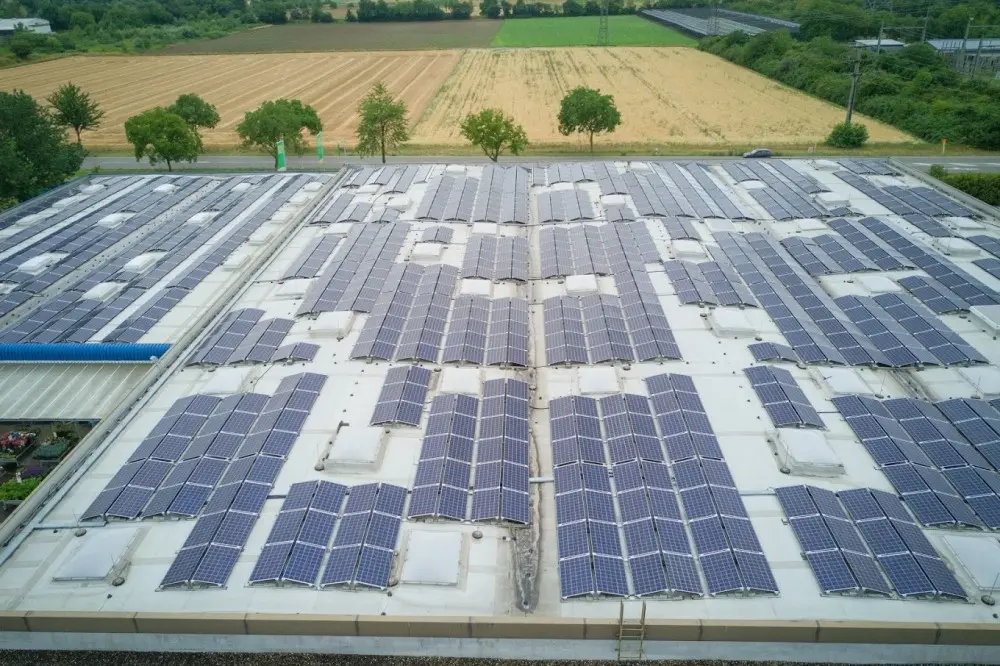
Our state-of-the-art photovoltaic module factory, with an annual production capacity of 10GW, features advanced, automated assembly lines. By employing AI-driven quality inspection and precision soldering, we ensure consistent electrical output, minimal power degradation, and high durability for long-term project performance.
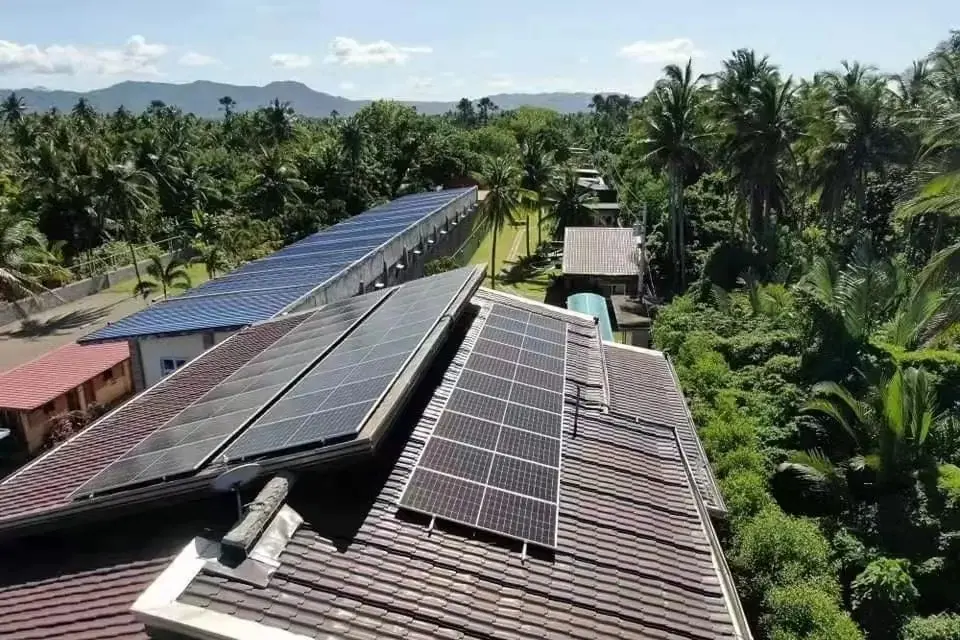
Our inverter division designs and builds single-phase, three-phase, hybrid, and off-grid inverters. These units feature smart cooling, wide MPPT tracking ranges, and Modbus/CAN communication, enabling seamless integration with energy storage systems and smart grids.
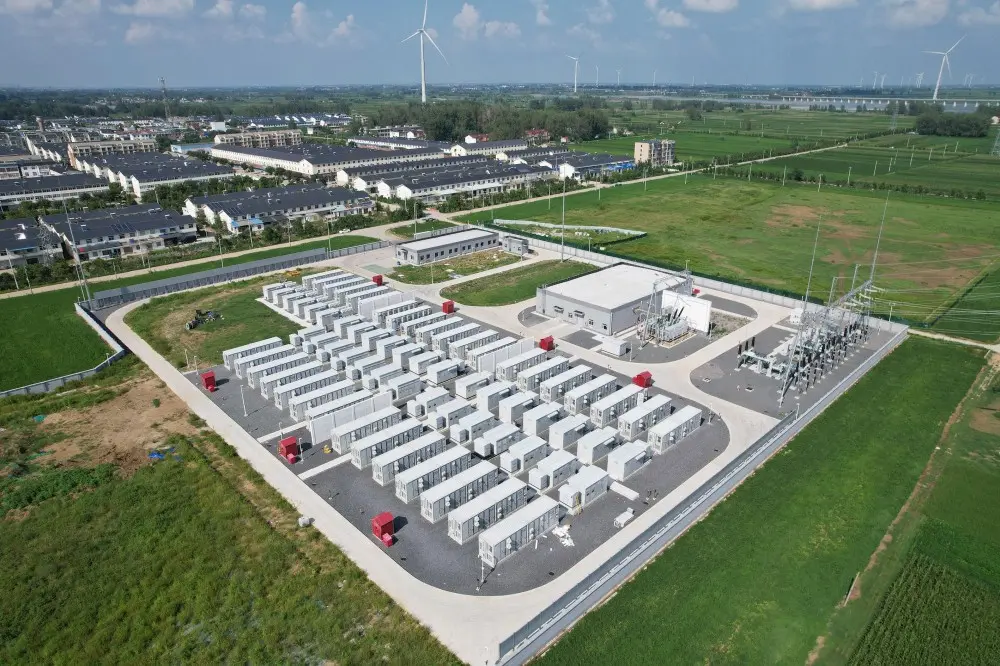
With over two decades of electrical engineering expertise, our factory manufactures premium lithium iron phosphate (LiFePO4) storage options. Solutions scale from compact 10kWh home battery packs to 20-foot and 40-foot temperature-controlled liquid-cooled utility containers, engineered to deliver long cycle lives and high safety margins.
Globally, C&I solar has transitioned from a niche sustainability trend to a core financial strategy. Volatile fossil fuel pricing, carbon import adjustments, and ESG mandates have driven multinational corporations to establish direct solar and energy storage frameworks. In regions like the United States, Europe, and Asia-Pacific, onsite generation has become a standard asset class, providing predictable utility rates and protecting operations from grid disruptions.
This global growth has accelerated the evolution of solar hardware. Large-scale installations demand components designed for rapid installation, low maintenance, and high durability. High-wattage bifacial modules, smart trackable mounting frames, modular containerized batteries, and high-efficiency hybrid inverters are now the standard, helping operators secure lower levelized costs of energy (LCOE) and optimize system uptime.
Deploying solar equipment in Australia requires strict adherence to localized electrical, grid connection, and safety codes. Products must be fully compliant with all local standards to ensure safety and system authorization:
Additionally, we maintain a localized support network to manage warranty services, supply replacement parts, and offer on-site technical assistance, helping project managers maximize system uptime and protect their investments.
Our PV modules, inverters, and lithium batteries are rigorously certified to meet global and Australian standards for quality, reliability, and safety.
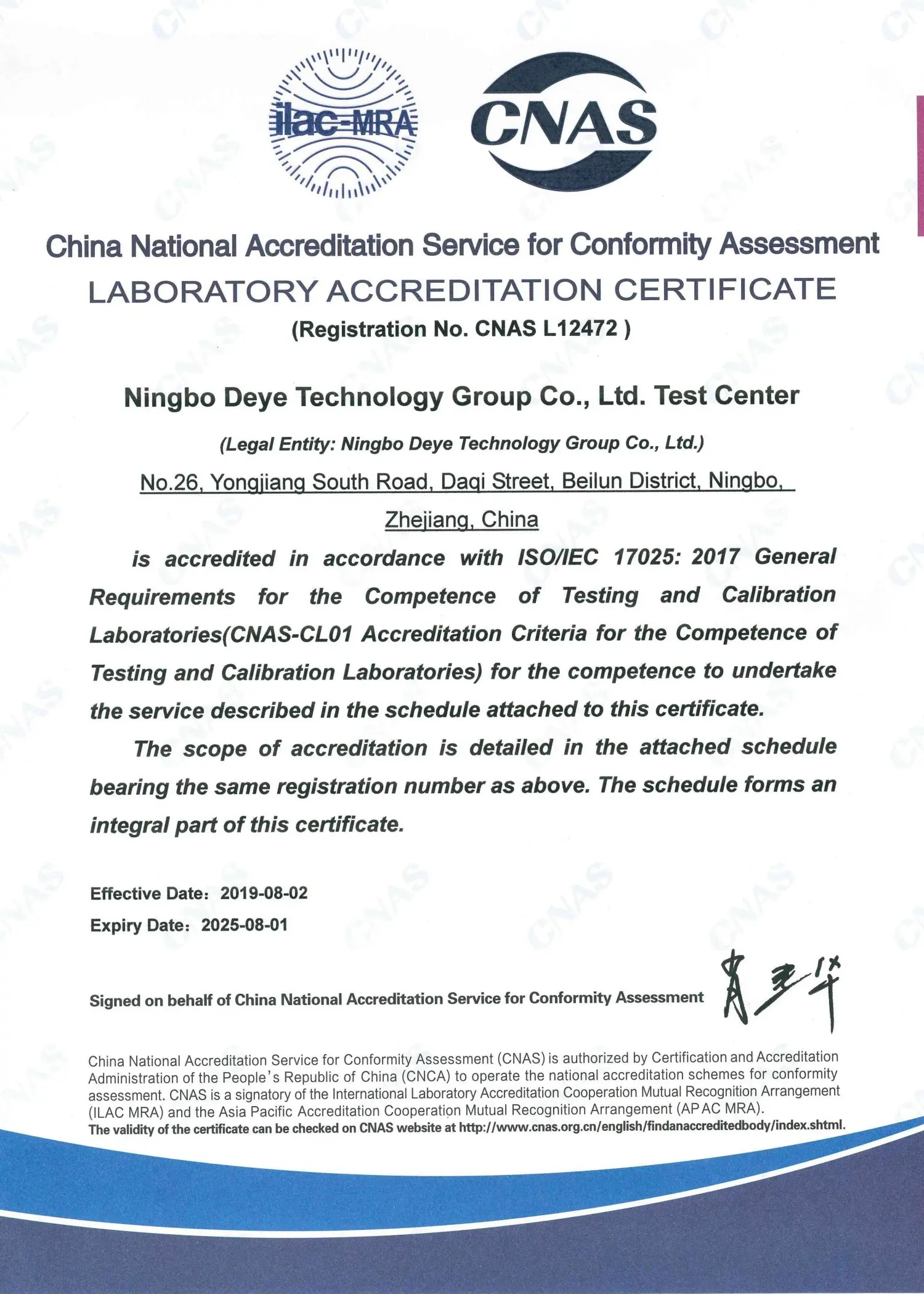

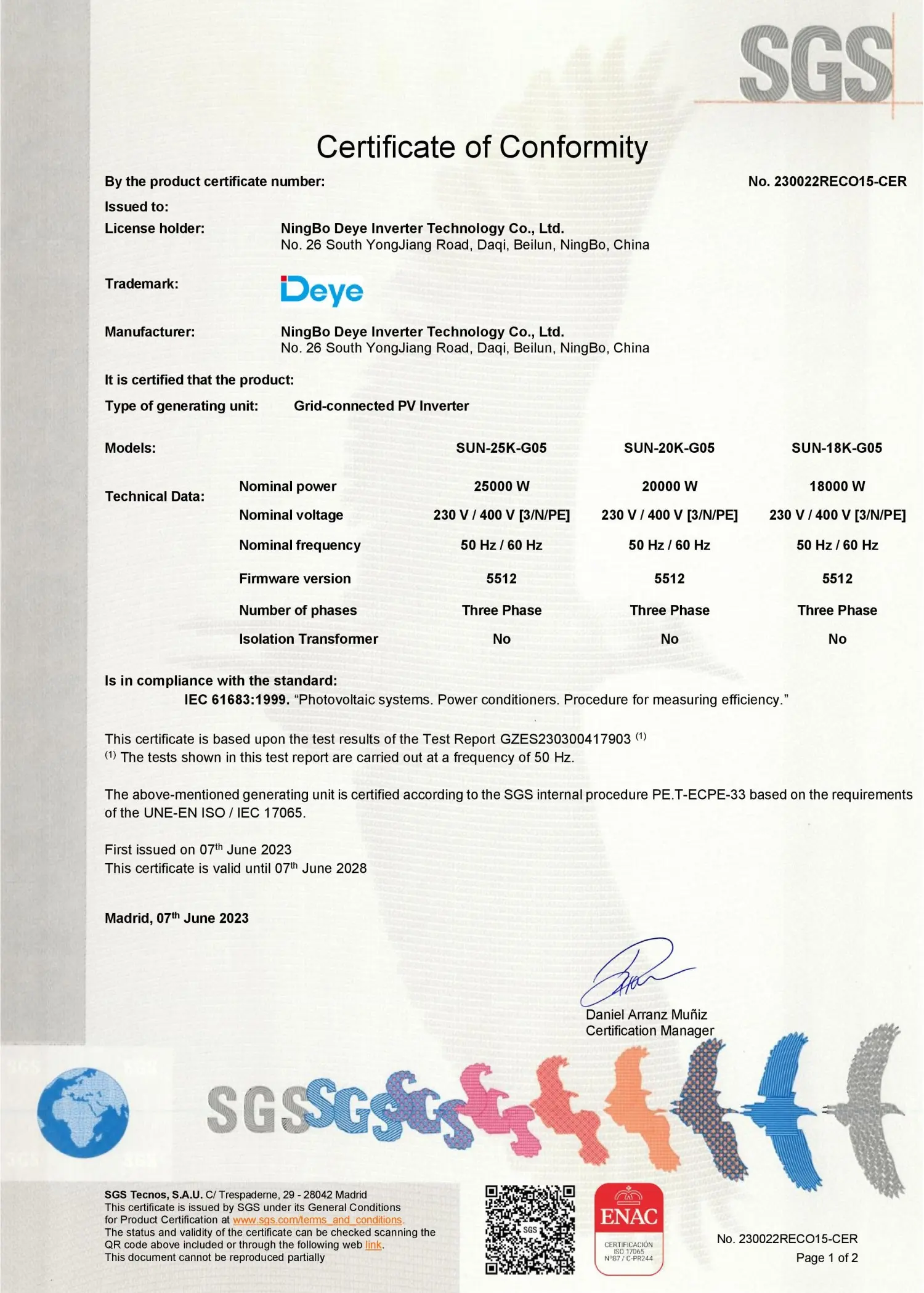
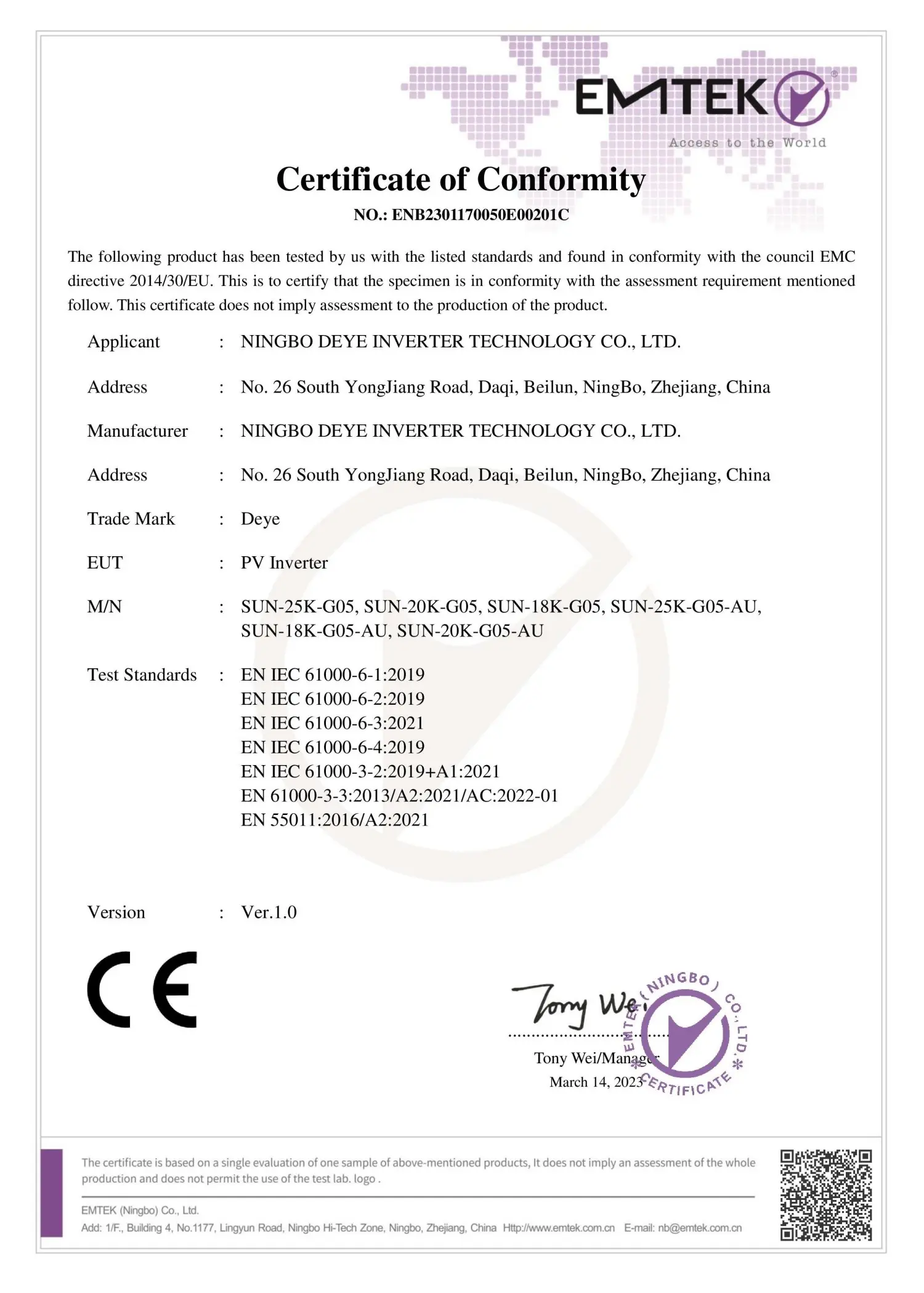
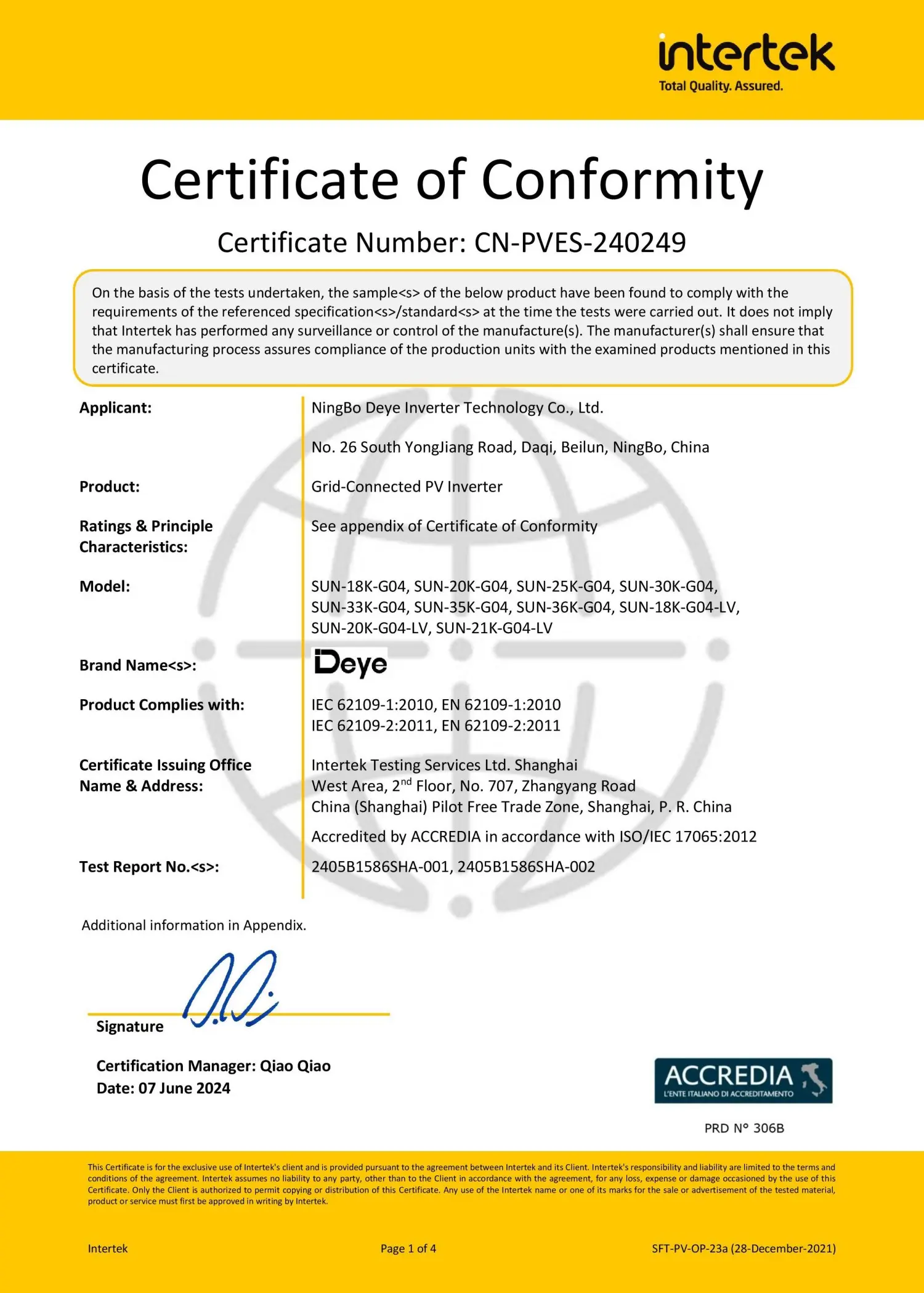
At MH Solar Energy, we believe in creating reliable collaborations to build a sustainable, net-zero future.


















Detailed technical answers addressing compliance, weather durability, and system integration within the ACT electricity network.
Fully compliant with Australian electrical regulations, engineered for extreme conditions, and compatible with modern smart microgrid systems.
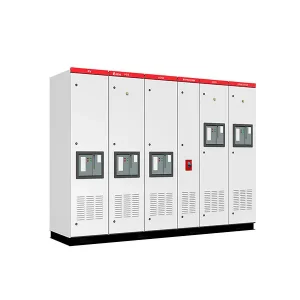
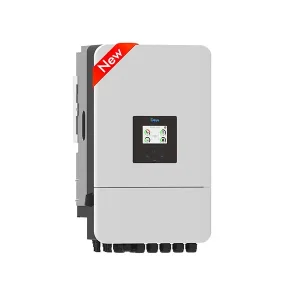
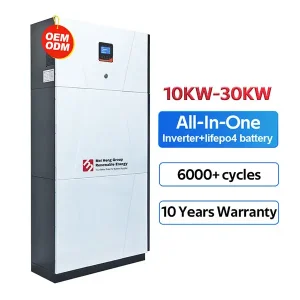
Connect directly with our engineering division for technical support, wholesale pricing, and design consulting.
Send Inquiry Now MH Energy